Complete guide to diving in Raja Ampat
Published ByMari LiveaboardRaja Ampat
Raja Ampat diving is defined by abundance. Hard corals spread across shallow plateaus, soft corals and sea fans cover current-facing reefs and fish fill the water from the reef top into the blue. Mantas, reef sharks and turtles share this habitat with pygmy seahorses, nudibranchs and species found only in this part of Indonesia.
The archipelago is vast, with more than 1,500 islands and four main islands: Misool, Salawati, Batanta and Waigeo. A liveaboard can connect the fish-rich currents of the Dampier Strait, the coral gardens of Fam and Penemu and the walls and pinnacles of Misool without returning to the same base each day.
For serious divers, the appeal is not one signature animal or dive site. It is the chance to see healthy coral, dense fish life, large animals and macro subjects within the same journey, framed by limestone islands and Papuan villages above the water.
Raja Ampat diving at a glance
| Factor | What to expect |
|---|---|
| Mari season | November through April |
| Water temperature | 27°C to 31°C (81°F to 88°F) |
| Visibility | Typically 10m to 25m (33ft to 82ft) |
| Current | Mild to very strong, depending on the site and tide |
| Mari requirement | Open Water certification and at least 30 logged dives |
| Route lengths | 7, 10 or 11 nights, depending on regional coverage |
What makes Raja Ampat diving different?
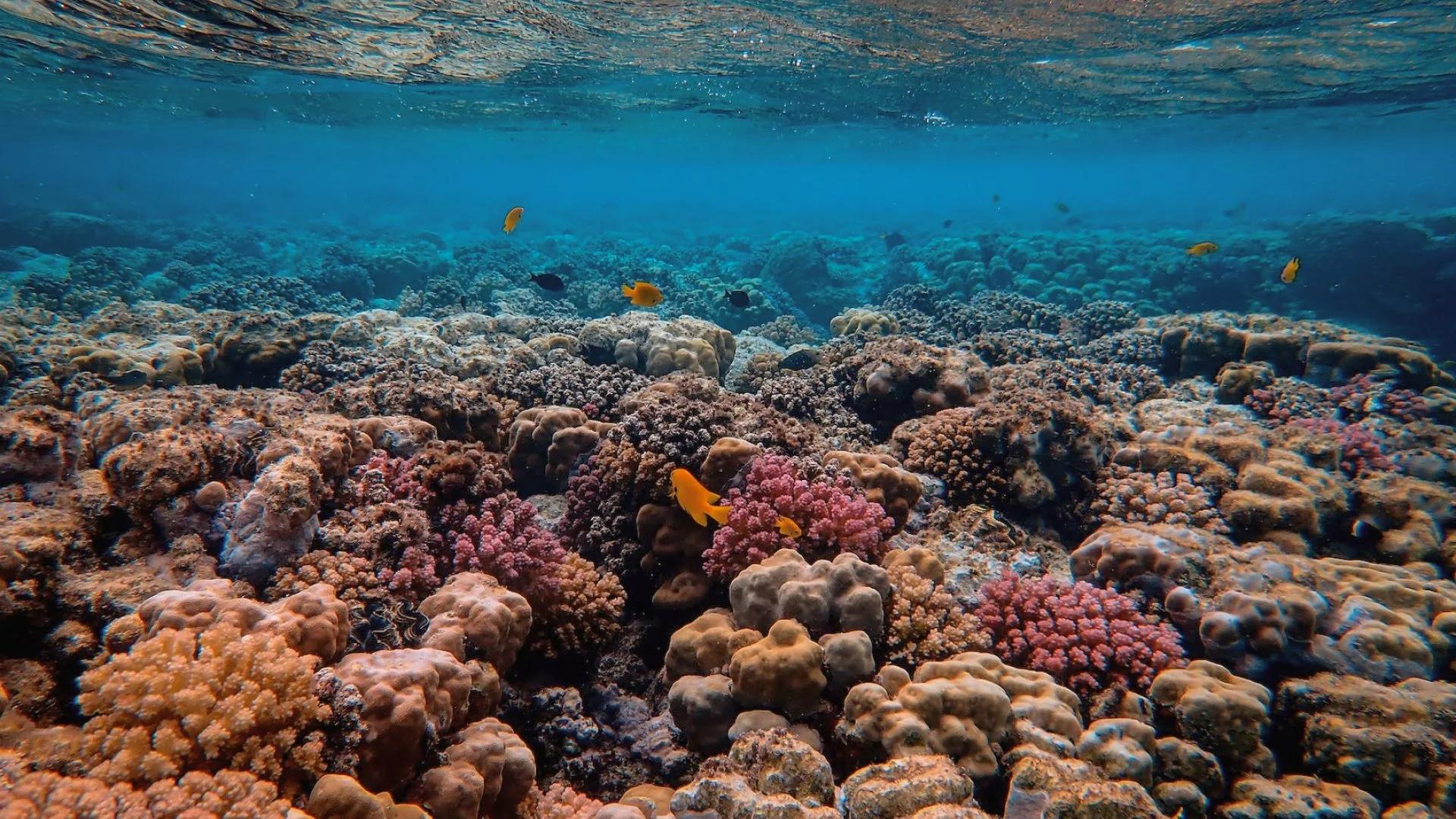
Raja Ampat sits at the heart of the Bird's Head Seascape and the Coral Triangle. Regional records list more than 1,600 reef fish species and over 600 coral species, but the meaning of those numbers becomes clear underwater. Coral grows in layers across slopes, walls and shallow gardens, while small reef fish and large schools occupy the water above it.
Cape Kri gives the region's biodiversity a particularly strong point of reference. Ichthyologist Dr. Gerald Allen documented 374 fish species during one 90-minute dive. The record belongs to one site, but the density behind it extends across the archipelago.
Currents are central to this productivity. Water moving through channels such as the Dampier Strait carries nutrients across the reefs, supporting schooling fish and the predators that follow them. The same process can bring plankton and reduce visibility, so the richest water is not always the clearest.
Raja Ampat is also shaped by conservation. Its marine protected areas and shark and ray sanctuary protect important habitats across the archipelago. Conservation International credits these protections as part of the recovery of Raja Ampat's reef manta population.
Marine life in Raja Ampat
Raja Ampat rewards both wide-angle attention and a close look at the reef. A dive may move from schooling fish and hunting trevally to a wobbegong resting under coral, then finish with a pygmy seahorse hidden in a sea fan.
Mantas and other rays
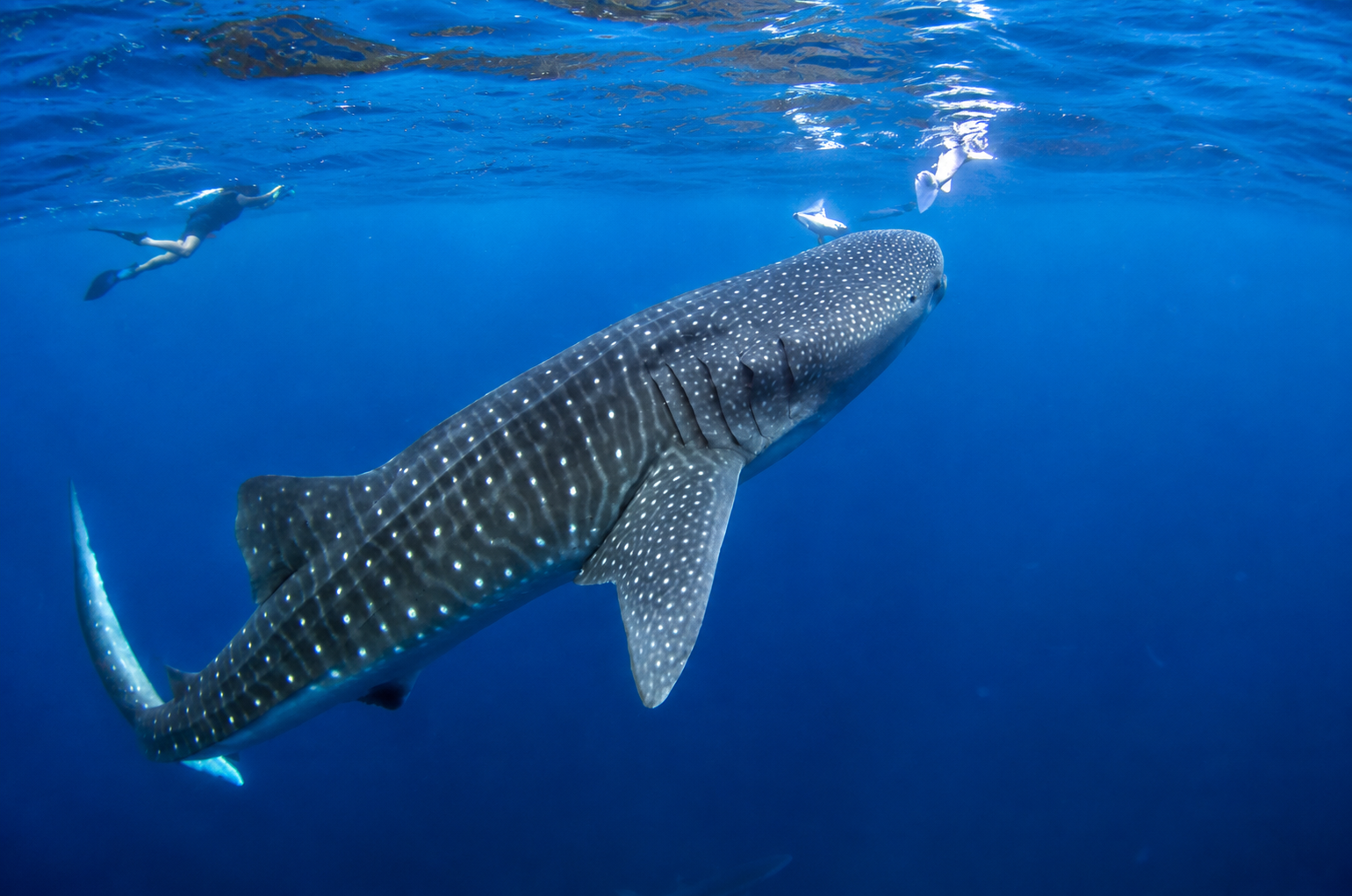
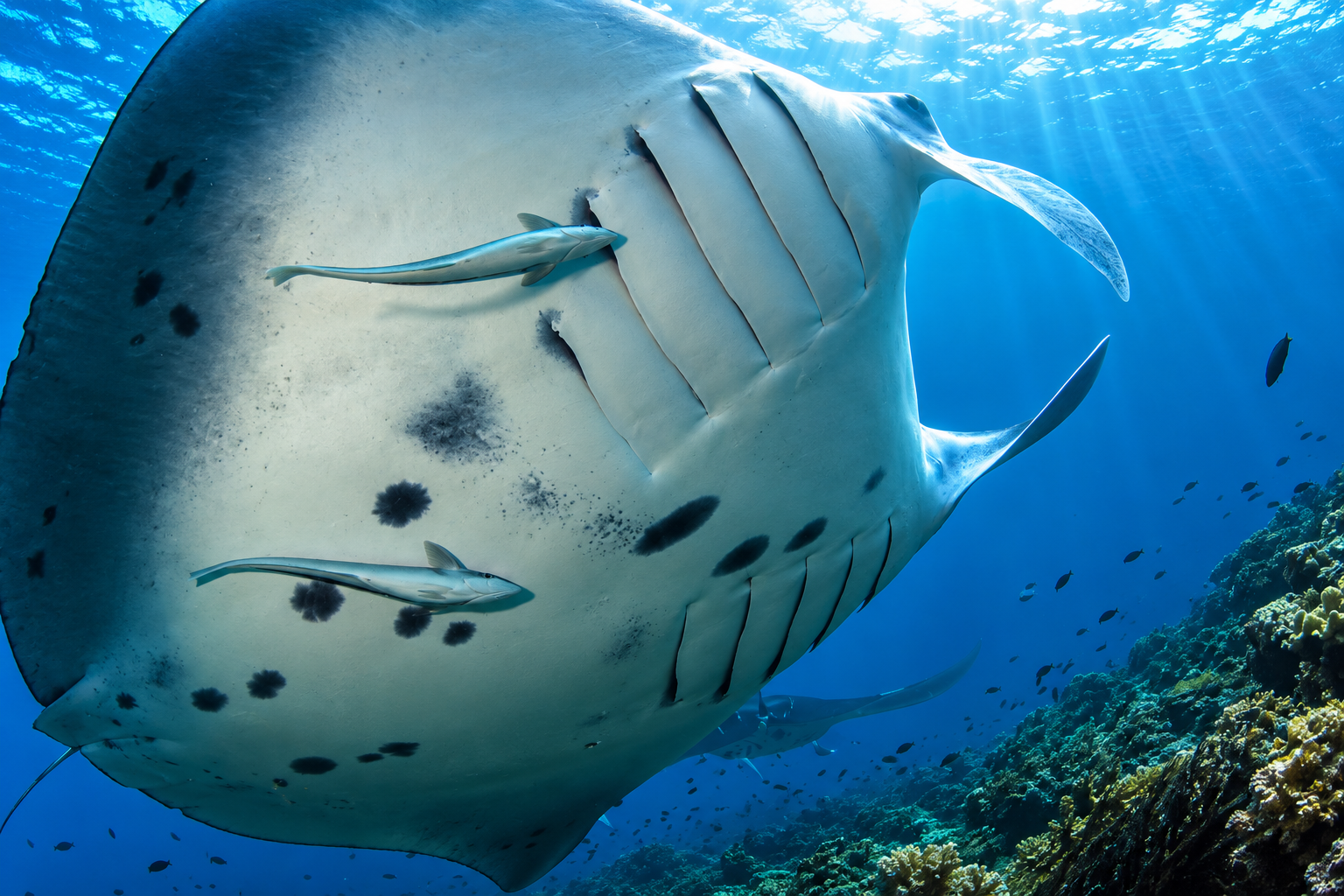
Both reef and oceanic manta rays use cleaning stations in Raja Ampat. Central sites around the Dampier Strait and southern sites in Misool offer different settings, from shallow sandy stations to exposed seamounts. Manta activity changes with plankton, current and season, so encounters and numbers vary.
Eagle rays and mobula rays may pass through open water, while Kuhl's rays rest on sandy areas near the reef. Together they add another layer to a destination already known for its manta population.
Reef sharks, wobbegongs and walking sharks
Grey reef sharks, whitetip reef sharks and blacktip reef sharks patrol current-facing reefs and pinnacles. Tasseled and spotted wobbegongs offer a quieter encounter, using their camouflage beneath ledges and among coral.
Raja Ampat's walking sharks are one of the region's signature animals. These small epaulette sharks move across shallow reef and sand using their fins, and are often most active after dark. Their presence gives night dives a distinct character beyond the usual search for nocturnal critters.
Pelagics and schooling fish
Giant trevally, dogtooth tuna, Spanish mackerel and barracuda move around schools of fusiliers, snappers, surgeonfish and jacks. On current-swept reefs, the volume of fish can become the main event, with predators working the edge of the school and reef sharks holding deeper in the blue.
Napoleon wrasse and bumphead parrotfish add to the park's larger reef life. They are not pelagics, but their size makes them stand out among the constant movement of smaller fish.
Colorful reefs and turtles
Raja Ampat's fish life is inseparable from its coral. Shallow hard-coral gardens, soft-coral walls, sponges and sea fans create overlapping habitats for feeding, shelter and cleaning. Anthias, damselfish, sweetlips and batfish keep these reefs in motion even when no large animal appears.
Green and hawksbill turtles are found across central and southern Raja Ampat. They may be seen over coral gardens, beside jetties or along walls, often within the same scenes as schooling fish and reef sharks.
Macro and endemic species
Raja Ampat is as rewarding for macro photography as it is for wide-angle work. Pygmy seahorses, nudibranchs, ghost pipefish, frogfish, leaf scorpionfish, mandarin fish, flasher wrasse, shrimp, squat lobsters and octopus are found across reefs, jetties and sheltered bays.
The smaller life is not confined to one region. Misool's walls and pinnacles, the reefs around Mioskon and Friwin and sheltered or sandy areas around central Raja Ampat all add opportunities for slower searches. A flexible lens plan works better than building the trip around one promised subject.
Raja Ampat dive regions
Dampier Strait
The Dampier Strait lies between Gam and Waigeo to the north and Batanta to the south. Strong tidal flow supports some of Raja Ampat's densest fish life, but the region also includes protected reefs and jetties where the pace can be gentler.
Cape Kri, Blue Magic, Sardine Reef, Chicken Reef, Manta Sandy and the reefs around Kri and Mansuar are among the best-known names. Together they represent the region's range: current-swept reefs, submerged pinnacles, manta habitat and coral-covered jetty structures.
Conditions change with the tide. An exposed site may deliver an energetic drift on one dive and require a different plan later the same day, while sheltered alternatives give the guide room to match the conditions to the group.
Fam and Penemu
Fam and Penemu combine shallow coral gardens with Raja Ampat's limestone scenery. Melissa's Garden is the area's headline dive, with a broad coral plateau beginning in the shallows and sand reaching about 25m (82ft).
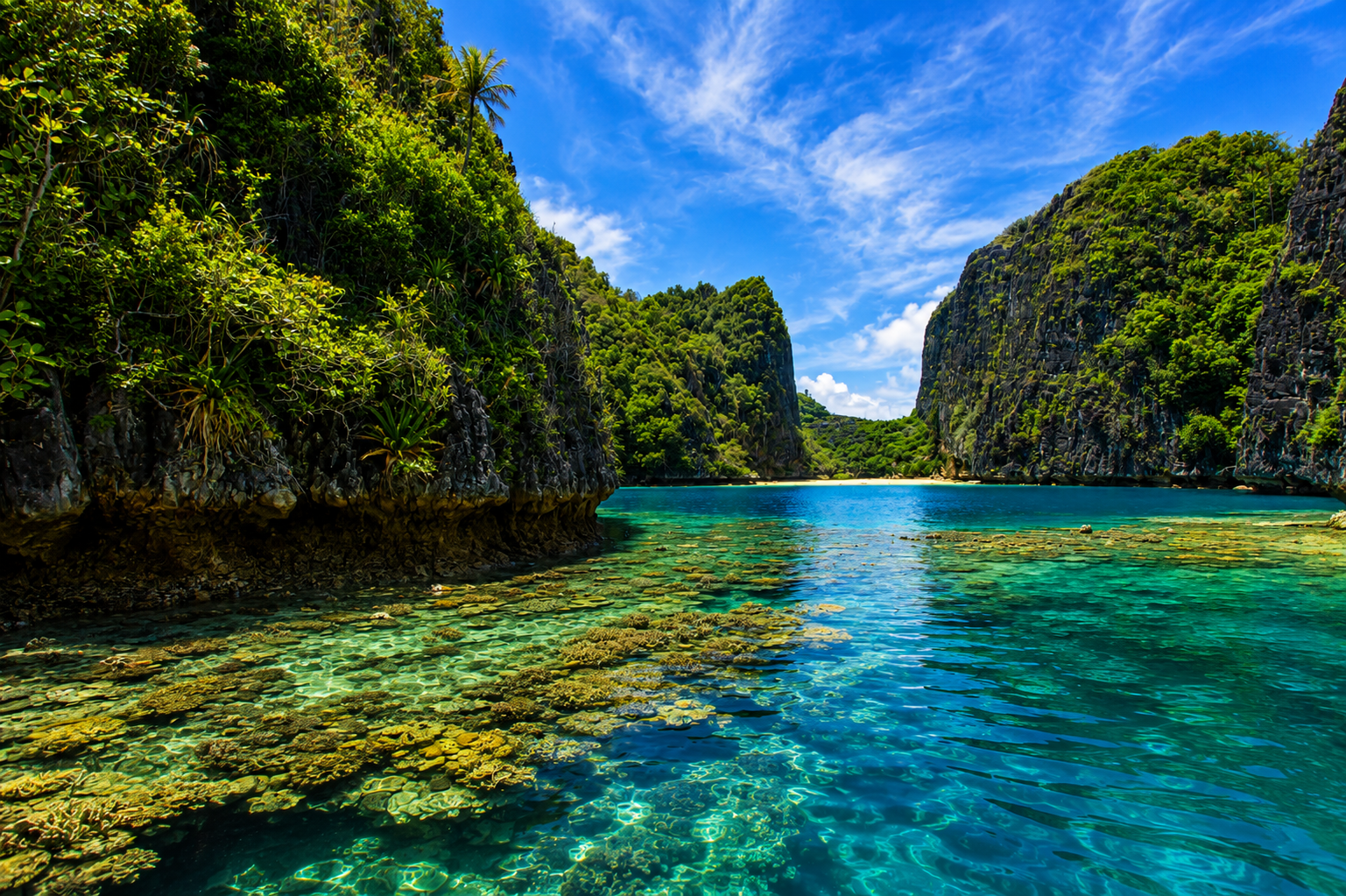
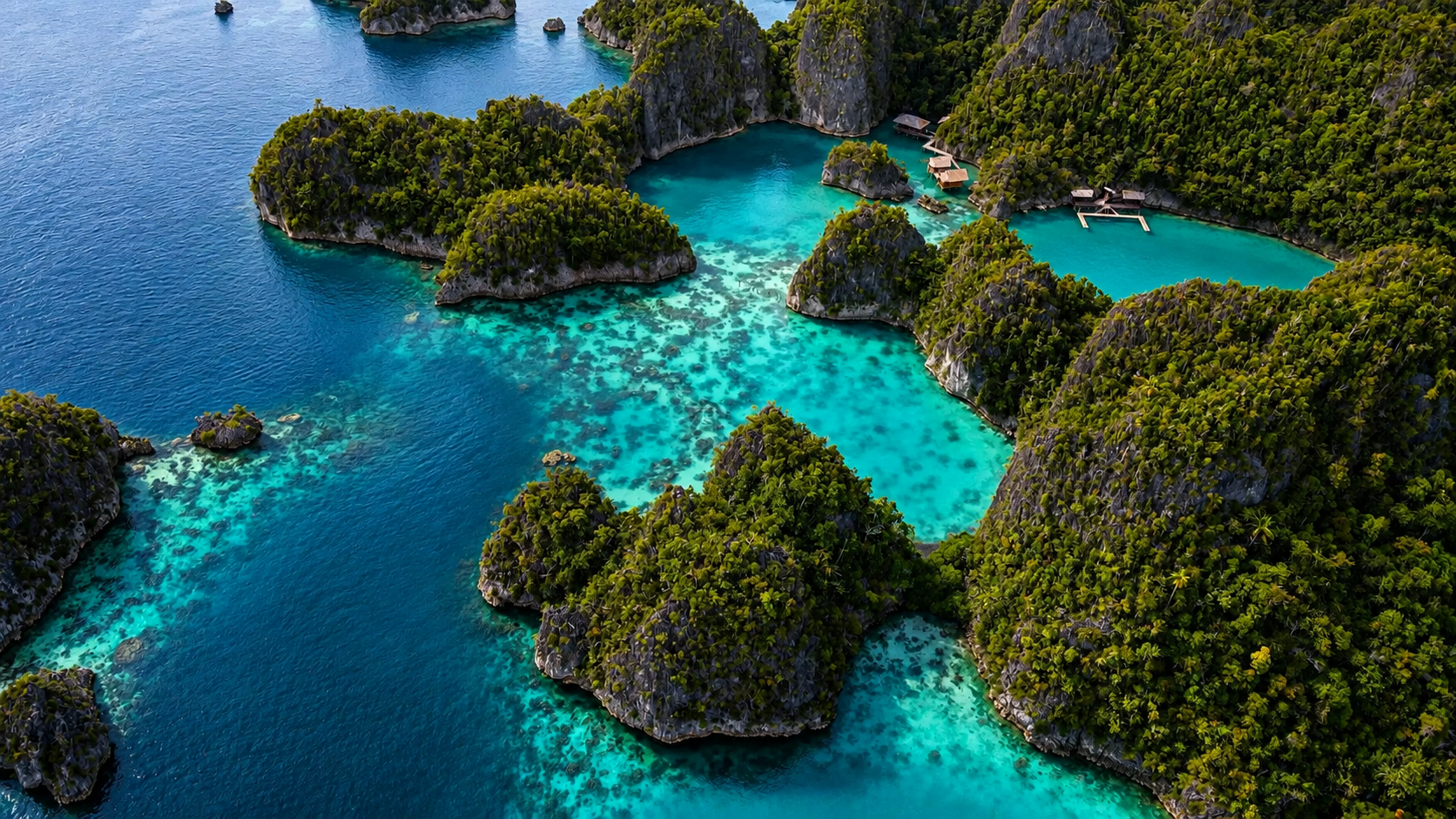
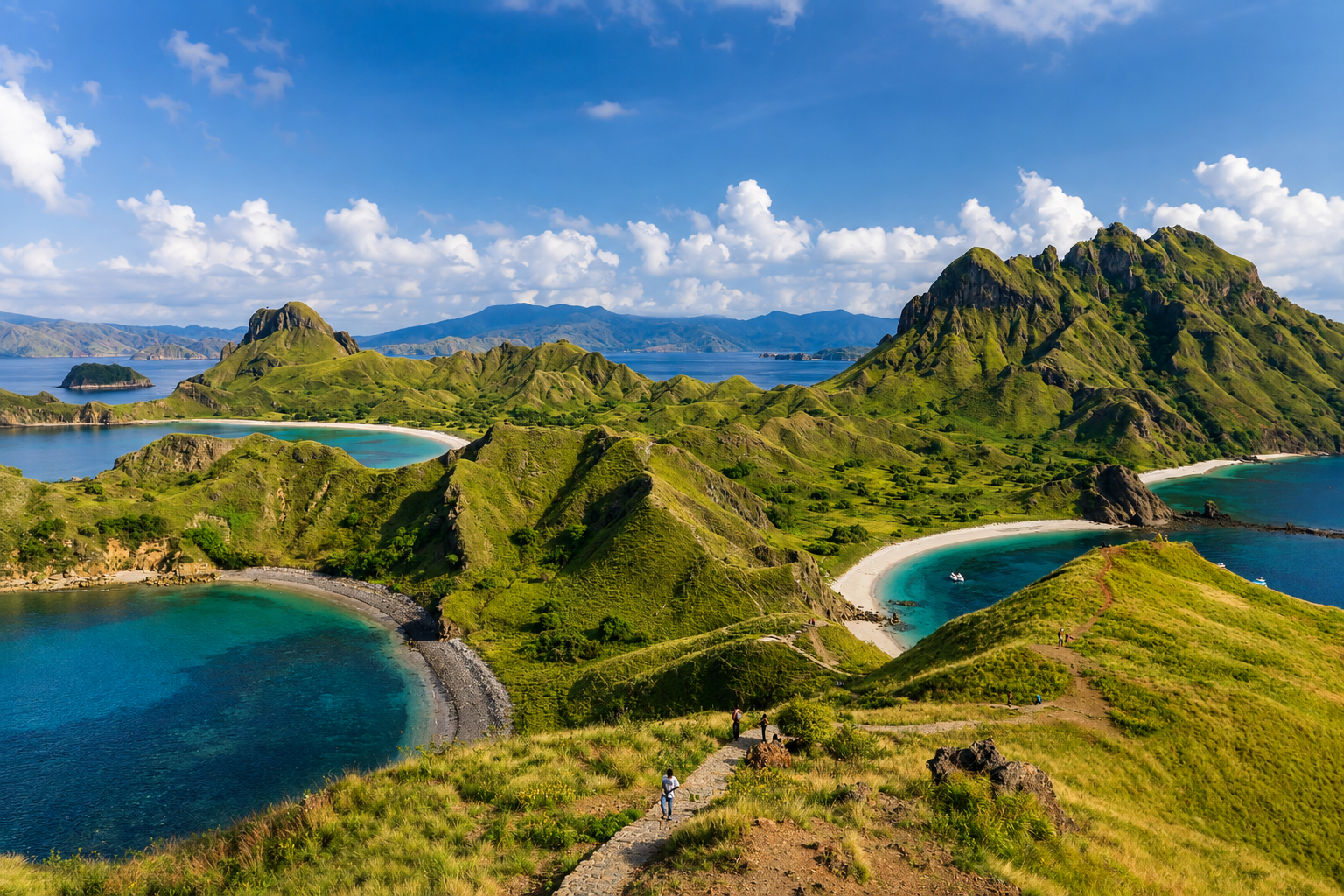
Keruo Channel, My Reef, Galaxy and Batu Rufas add drifts, coral bommies and deeper reef profiles. Above water, the Piaynemo viewpoint looks across a field of forested limestone islets and turquoise channels.
Gam and Yanggelo
Around Gam and Yanggelo, mangroves, sheltered bays and current-exposed ridges create strong contrast within a small area. Mangrove Ridge brings coral close to mangrove roots, Taman Wofoh is known for black coral and Citrus Ridge adds colorful soft coral to a channel setting.
This region shows why Raja Ampat should not be reduced to high-energy diving. A route can shift from a fish-filled current site to a sheltered reef, macro search or night dive without leaving the central archipelago.
Misool
Misool in southern Raja Ampat is known for soft-coral walls, offshore pinnacles, caves and limestone formations above and below the surface. The reefs combine wide-angle scenery with strong macro potential.
Mari's Misool routes may include the Daram Islands, Magic Mountain, Farondi, Fiabacet, Boo Windows and other southern areas. These names offer examples of the region's character rather than a checklist. Final access depends on sea conditions, currents and local permissions.
Misool is generally part of the November through April liveaboard window. The southern region is usually inaccessible from roughly June through September, even though central Raja Ampat continues to operate during the middle of the year.
Raja Ampat diving conditions
Water temperatures generally range from 27°C to 31°C (81°F to 88°F). A 3mm full suit is comfortable for many divers, while cold-sensitive guests may prefer 5mm for repeated dives.
Visibility is typically 10m to 25m (33ft to 82ft) and can reach about 30m (98ft) on clearer days. Plankton blooms can lower visibility, but the nutrient-rich water supports the reef density and manta activity that bring many divers to Raja Ampat.
Current ranges from mild to very strong. Tide, moon phase and local topography all matter, which is why guides check the water before exposed dives and adjust the plan when necessary. Productive reef begins in the shallows, with much of the color and fish life concentrated above 15m (49ft).
What are the skill requirements to dive Raja Ampat?
Raja Ampat suits divers with good buoyancy, current awareness and the confidence to follow a guide through changing conditions. Advanced Open Water is recommended at destination level because it opens access to more current-exposed sites and a wider range of profiles.
Mari requires Open Water certification and at least 30 logged dives for Raja Ampat. Recent experience matters alongside the number in a logbook, particularly when diving over delicate coral or entering current from a tender.
The archipelago also has sheltered reefs, jetties and calmer sites that may suit less experienced divers when conditions allow. If you are concerned about current or have been out of the water for some time, speak with Mari before booking so the team can discuss suitability and possible arrangements.
When is the best time to dive Raja Ampat?
For Mari guests, the Raja Ampat liveaboard season runs from November through April. This window supports itineraries through Central Raja Ampat, Fam and Penemu, with longer routes continuing south to Misool.
Raja Ampat as a whole can be dived year-round, but not every region remains equally accessible. Central resorts continue operating through the middle months, while Misool usually closes from roughly June through September because of southern sea conditions.
For divers choosing a Mari departure, the more useful decision is route length. A 7-night itinerary focuses on Central Raja Ampat and the Dampier Strait. The 10-night and 11-night routes add Misool, creating a broader journey through central and southern Raja Ampat.
Raja Ampat liveaboard itineraries
Mari's 8-day, 7-night Raja Ampat itinerary begins and ends in Sorong. It explores Central Raja Ampat, Penemu, Fam, Gam and the Dampier Strait, with manta habitat, coral gardens, mangroves and current-swept reefs all represented in the sample route.
The 11-day, 10-night and 12-day, 11-night Raja Ampat and Misool itineraries are also Sorong round trips. They travel south through Misool before returning through Fam and the Dampier Strait, adding soft-coral walls, offshore pinnacles, caves and the limestone landscapes of Farondi and Tomolol.
Each itinerary is a sample outline. The Captain and Cruise Director choose the final order of dives and activities according to weather, currents, permissions, park requirements and the experience of the group.
Raja Ampat above the water
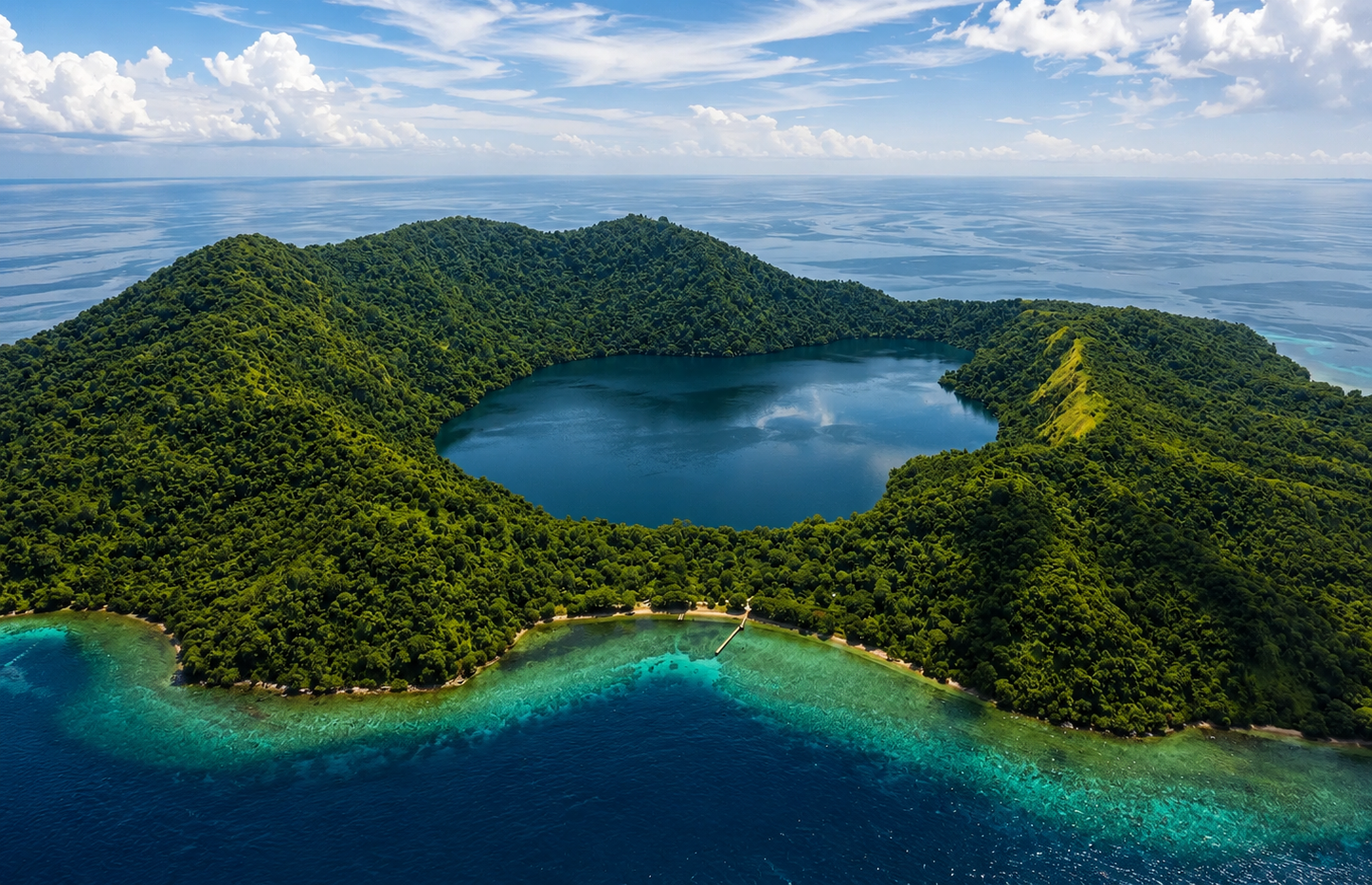
Raja Ampat's limestone islands give the journey a strong topside identity. Piaynemo offers a climb to a viewpoint above forested islets and turquoise water, while Misool's Farondi area adds hidden lagoons and narrow passages between limestone cliffs.
The rock paintings at Tomolol bring a cultural dimension to southern routes. In Central Raja Ampat, a visit to Arborek connects a jetty dive with a Papuan village. Guests should follow local guidance, ask before photographing people and remember that these islands are living communities rather than empty scenery.
Practical planning for a Raja Ampat liveaboard
- Embarkation: Mari's standalone Raja Ampat itineraries begin and end in Sorong.
- Arrival: Leave a comfortable buffer around domestic flights and arrive before embarkation day where possible.
- Insurance: Mari requires diving insurance that includes medical evacuation. Travel insurance is also recommended.
- Exposure protection: A 3mm full suit suits many divers. Consider 5mm if you become cold during repeated diving.
- Equipment: Bring an SMB or DSMB, a dive computer and the equipment needed for comfortable multi-dive days.
- Photography: Plan for both wide-angle and macro opportunities. Conditions and the daily site choice should guide the lens rather than one expected animal.
- Wildlife: Mantas, sharks, turtles and every other marine animal are wild. No specific encounter can be guaranteed.
Frequently asked questions about Raja Ampat diving
Is Raja Ampat suitable for beginner divers?
Raja Ampat has sheltered reefs and sites that can suit less experienced divers, but a full liveaboard route is better for divers with reliable buoyancy and current awareness. Mari requires Open Water certification and at least 30 logged dives. Advanced Open Water is recommended for broader access.
Are manta rays found in Raja Ampat year-round?
Manta cleaning stations exist across several Raja Ampat regions, and mantas may be encountered throughout the year somewhere in the archipelago. Activity varies with plankton, current and regional access. Misool's manta sites are not normally accessible during the southern closure from roughly June through September.
What wetsuit should I bring to Raja Ampat?
A 3mm full suit is suitable for many divers in water around 27°C to 31°C (81°F to 88°F). A 5mm suit may be more comfortable for cold-sensitive divers, particularly over several dives a day.
How long should a Raja Ampat liveaboard be?
Seven nights works for a focused Central Raja Ampat and Dampier Strait itinerary. Ten or 11 nights allows a route to add Misool, Fam and Penemu with more time for crossings and regional variety. Choose by the regions included, not simply by the number of nights.
Can a Raja Ampat itinerary guarantee Cape Kri, mantas or Misool?
No. A liveaboard itinerary shows the intended route and character of the journey. Final site selection depends on current, sea state, permissions, park requirements, group experience and safety.
Is Raja Ampat the right liveaboard destination for you?
Choose Raja Ampat if coral and fish diversity are the main reasons for your trip, but you also want mantas, sharks, turtles and macro life within the same journey. The most complete itineraries reveal how that abundance changes from the Dampier Strait to Fam and Misool, with limestone landscapes continuing above the water.
Explore Mari's Schedule & Rates to compare Raja Ampat departures, route lengths and experience requirements.