Banda Sea Liveaboard
Remote reefs, volcanic islands and seasonal hammerhead diving.
Banda Sea Liveaboard Indonesia Overview
Remote water, volcanic islands and the Spice Islands
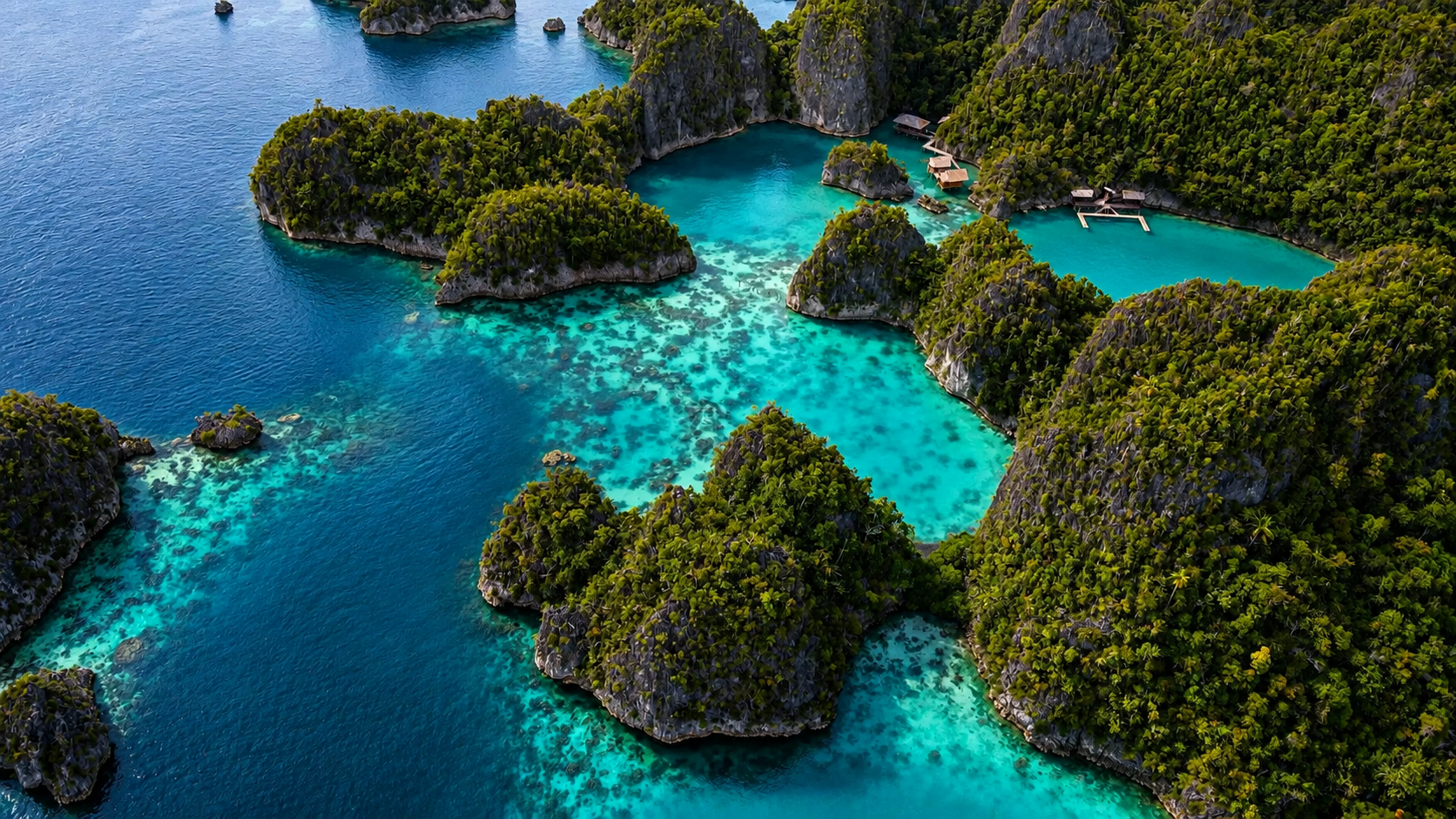
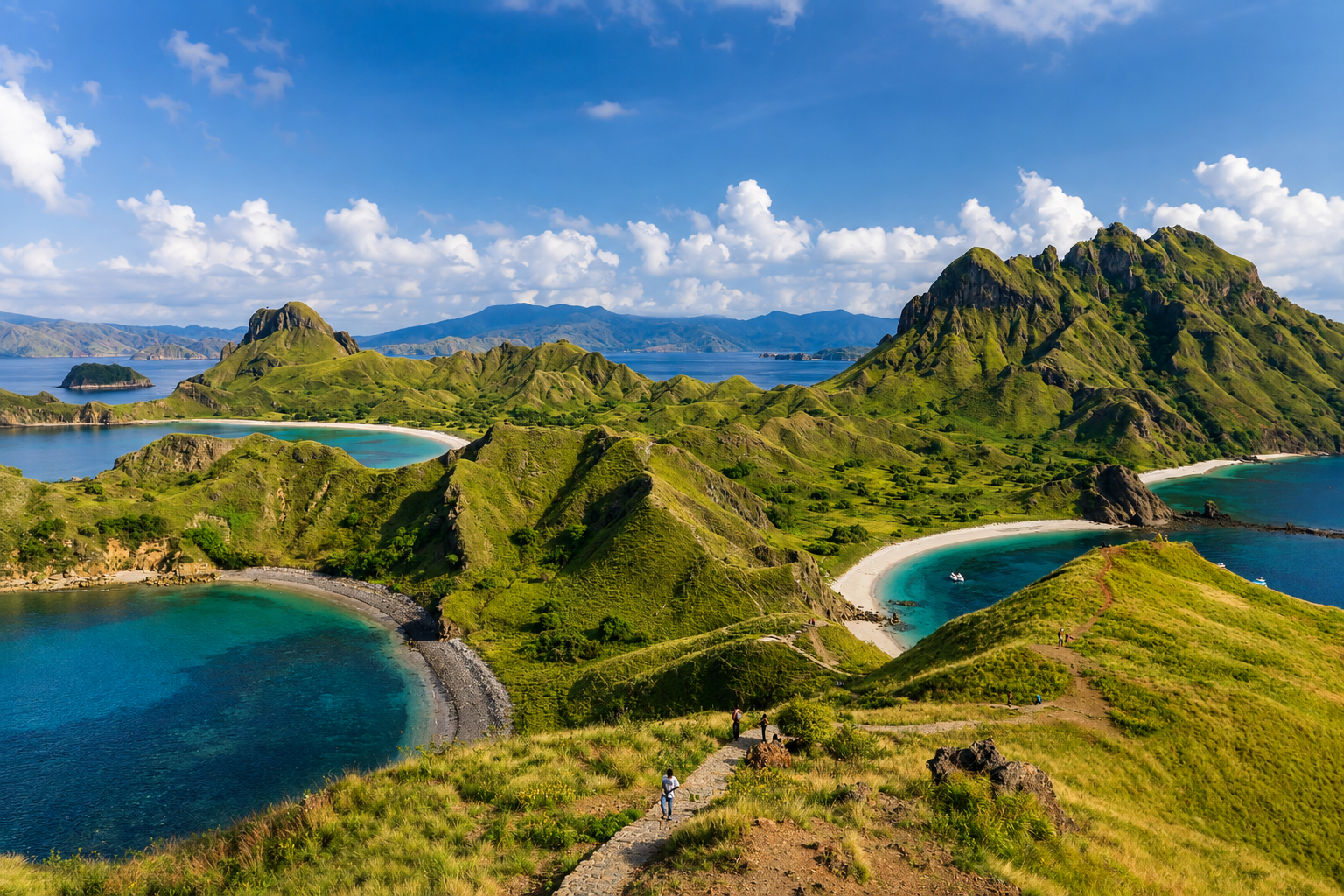
Banda Sea liveaboard diving is a passage through remote islands, volcanic walls and open water where seasonal upwellings can draw schooling hammerheads. It is also a journey with room for the Spice Islands, harbor towns and long horizons between dives.
This is not a destination you dip into on a day boat. The distances are part of its character, connecting the Banda Islands, Manuk and outer reefs in an expedition best experienced from a liveaboard.
Where is the Banda Sea?
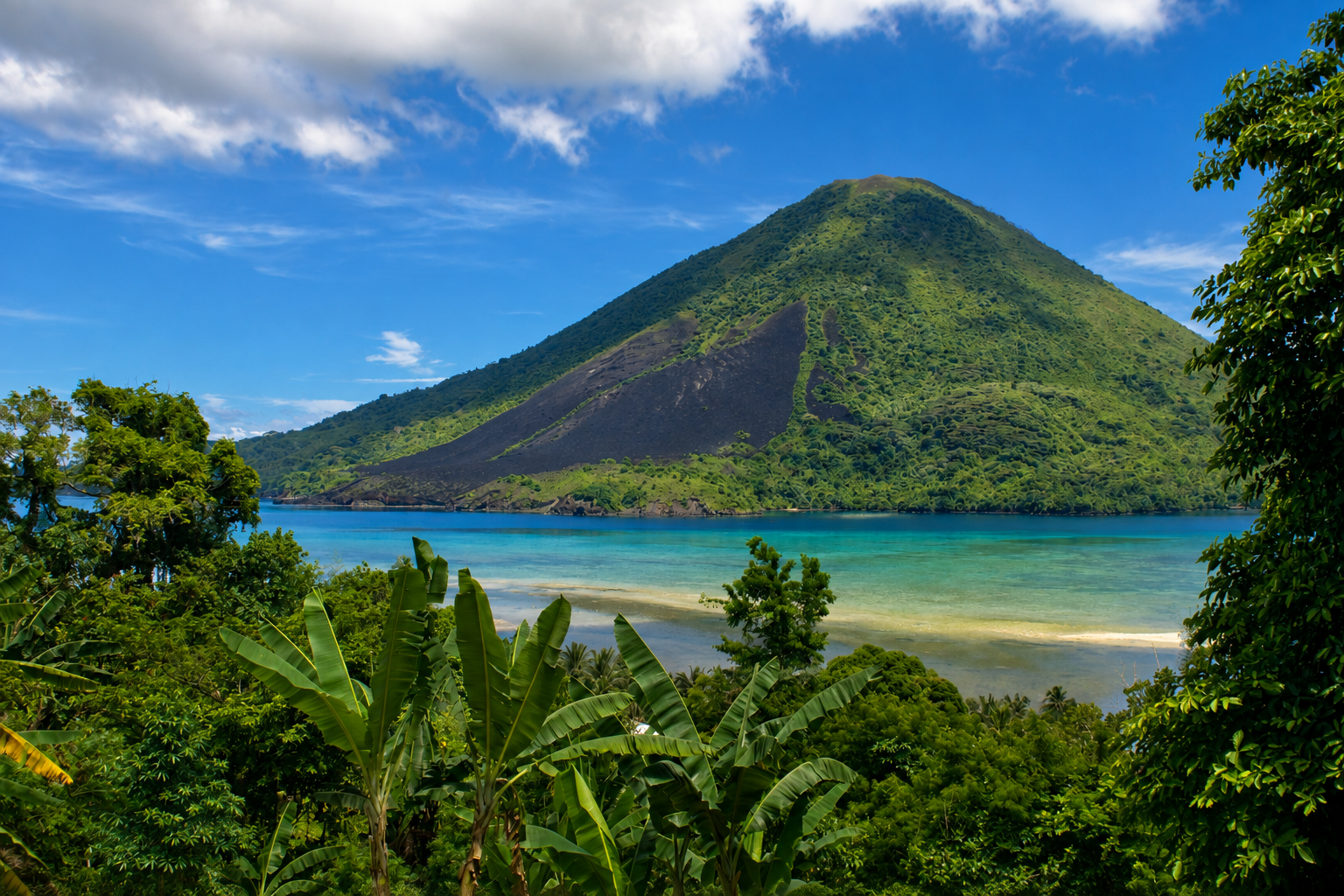
The Banda Sea lies in eastern Indonesia, between island groups that once sat at the center of the global nutmeg trade. Its deep water, volcanic islands and long distances create a setting that feels markedly more remote than Indonesia’s better-known diving hubs.
The Banda Islands are the historical heart of the route, while Ambon is commonly the travel hub for Banda Sea liveaboard trips. Ambon itself is a gateway, not Banda Sea diving.
Diving in the Banda Sea
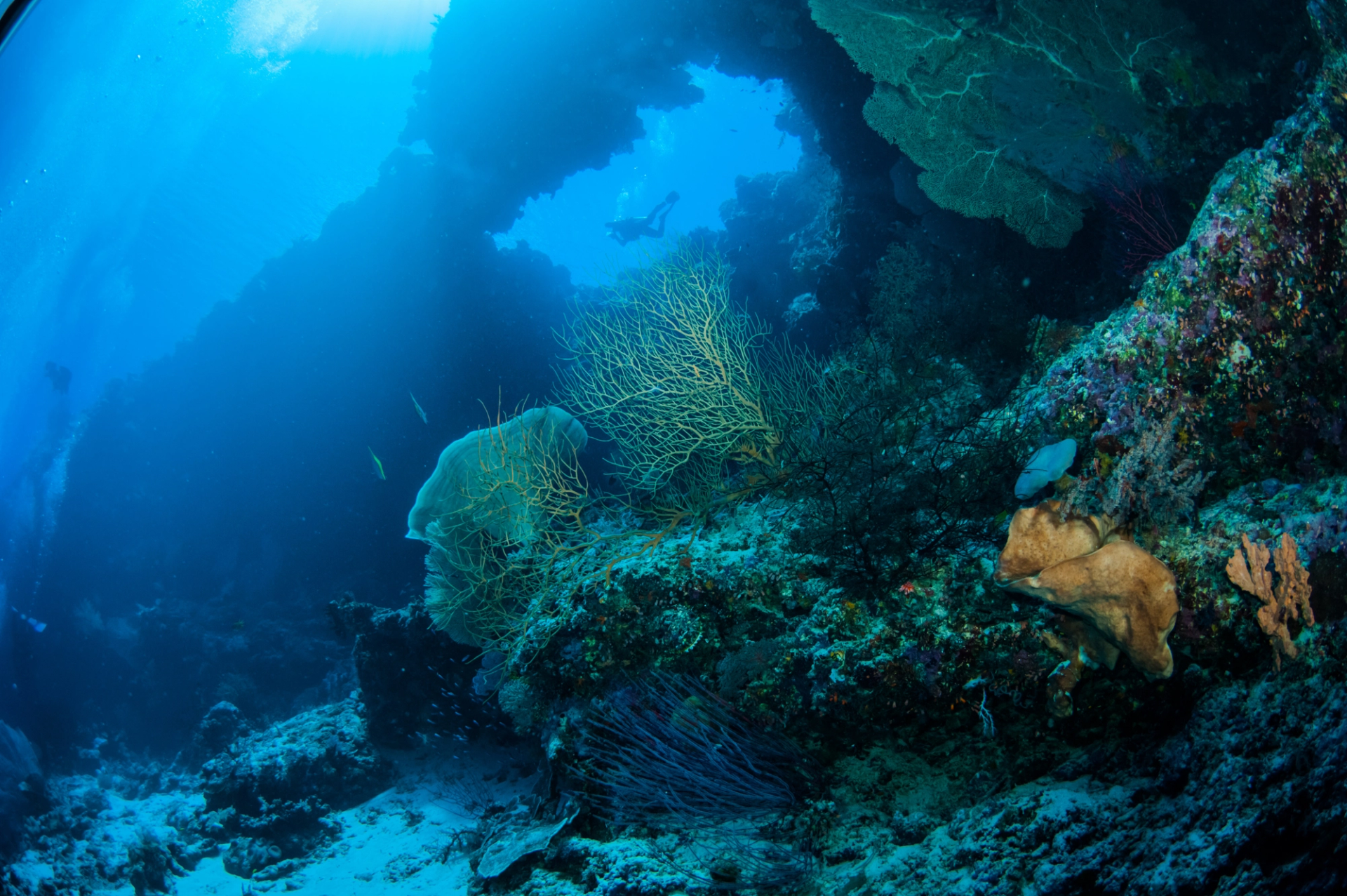
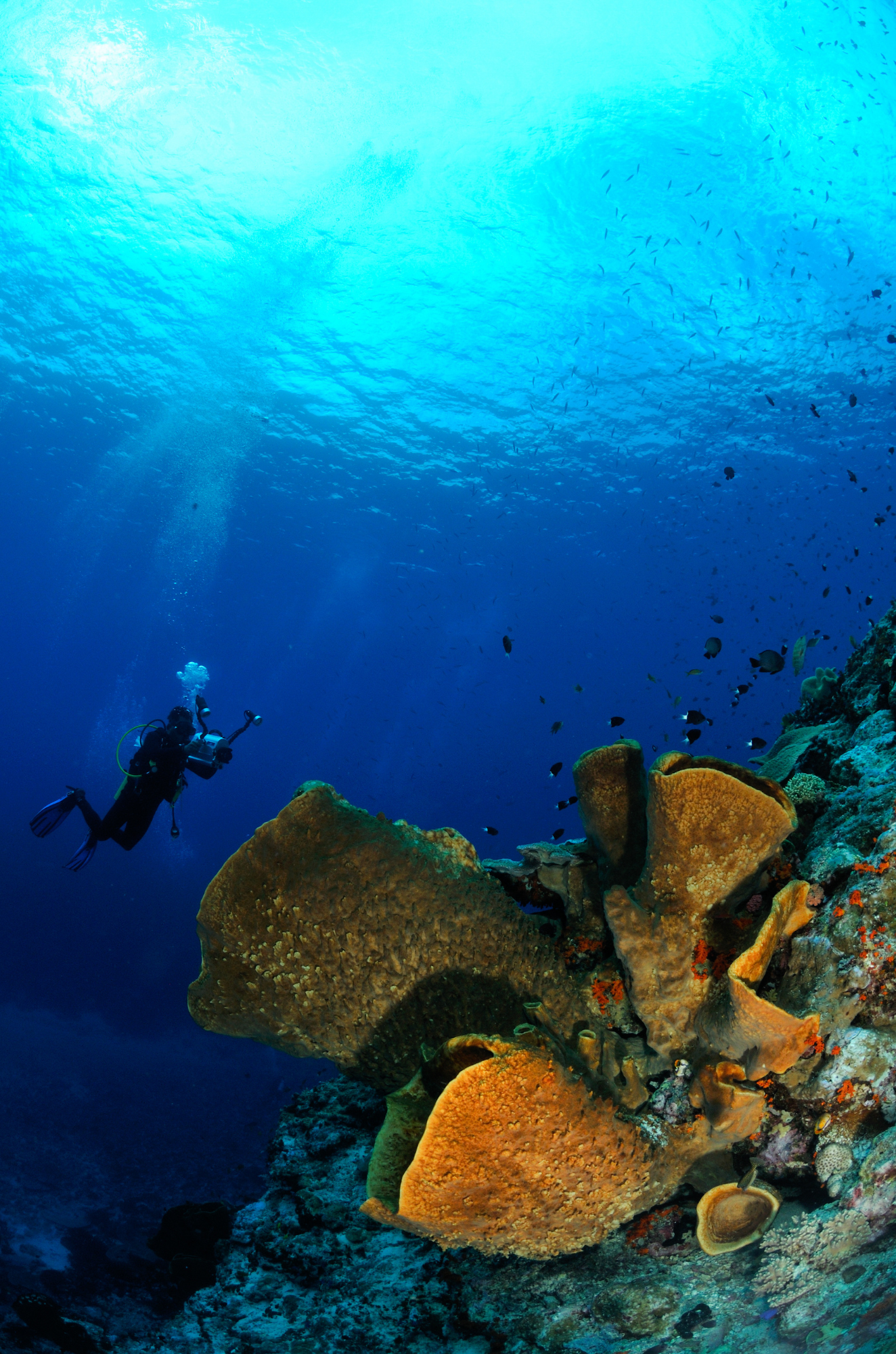
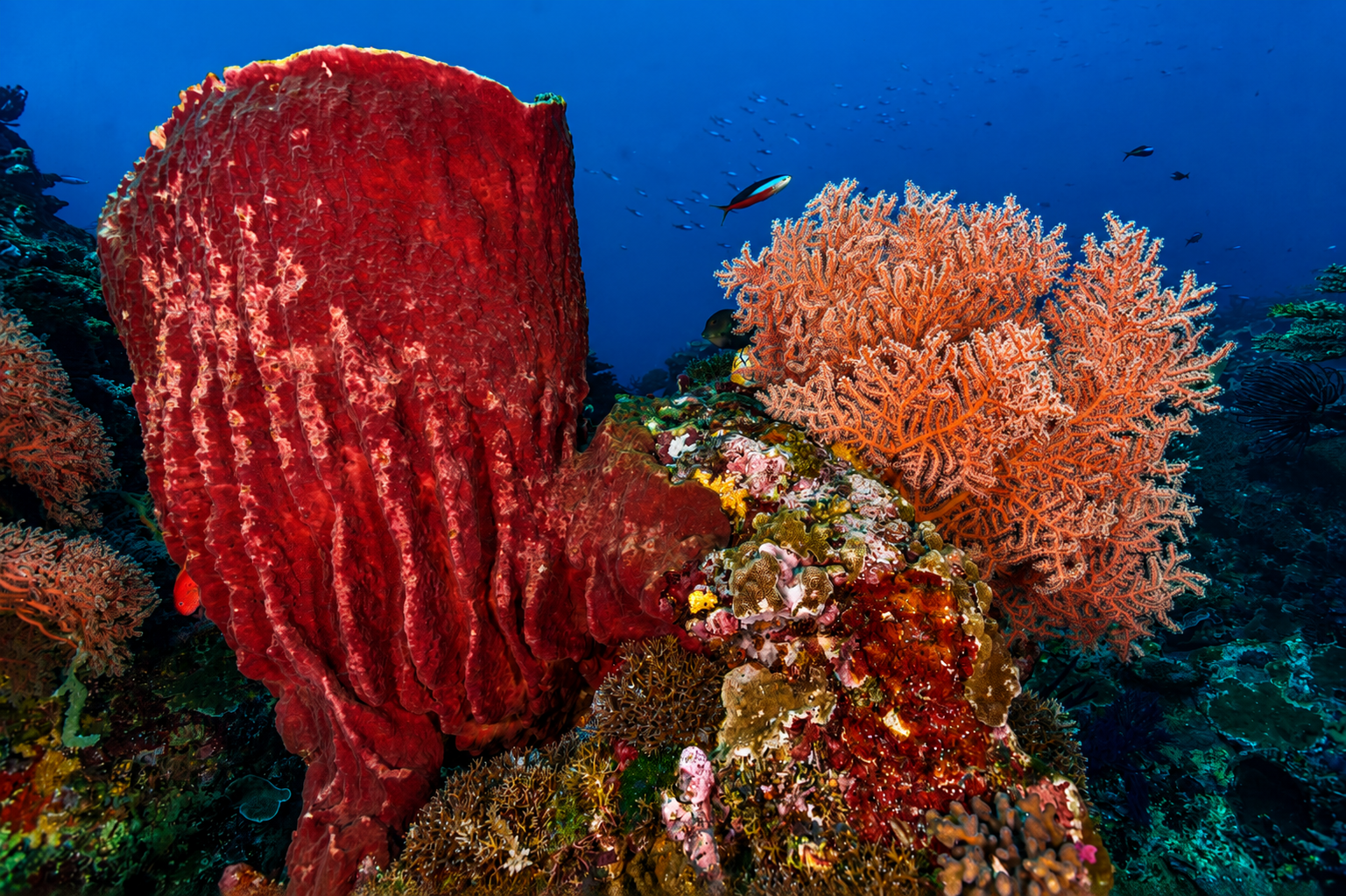
Banda Sea diving is shaped by depth, current and distance from shore. Walls and pinnacles drop into blue water, while changing conditions can concentrate fish and pelagic life along the reef edge.
This is a destination for divers who are comfortable in open-ocean conditions and precise with buoyancy. Mari plans routes and dive sites around weather, tide, currents and the group, rather than treating any seasonal encounter as a fixed promise.
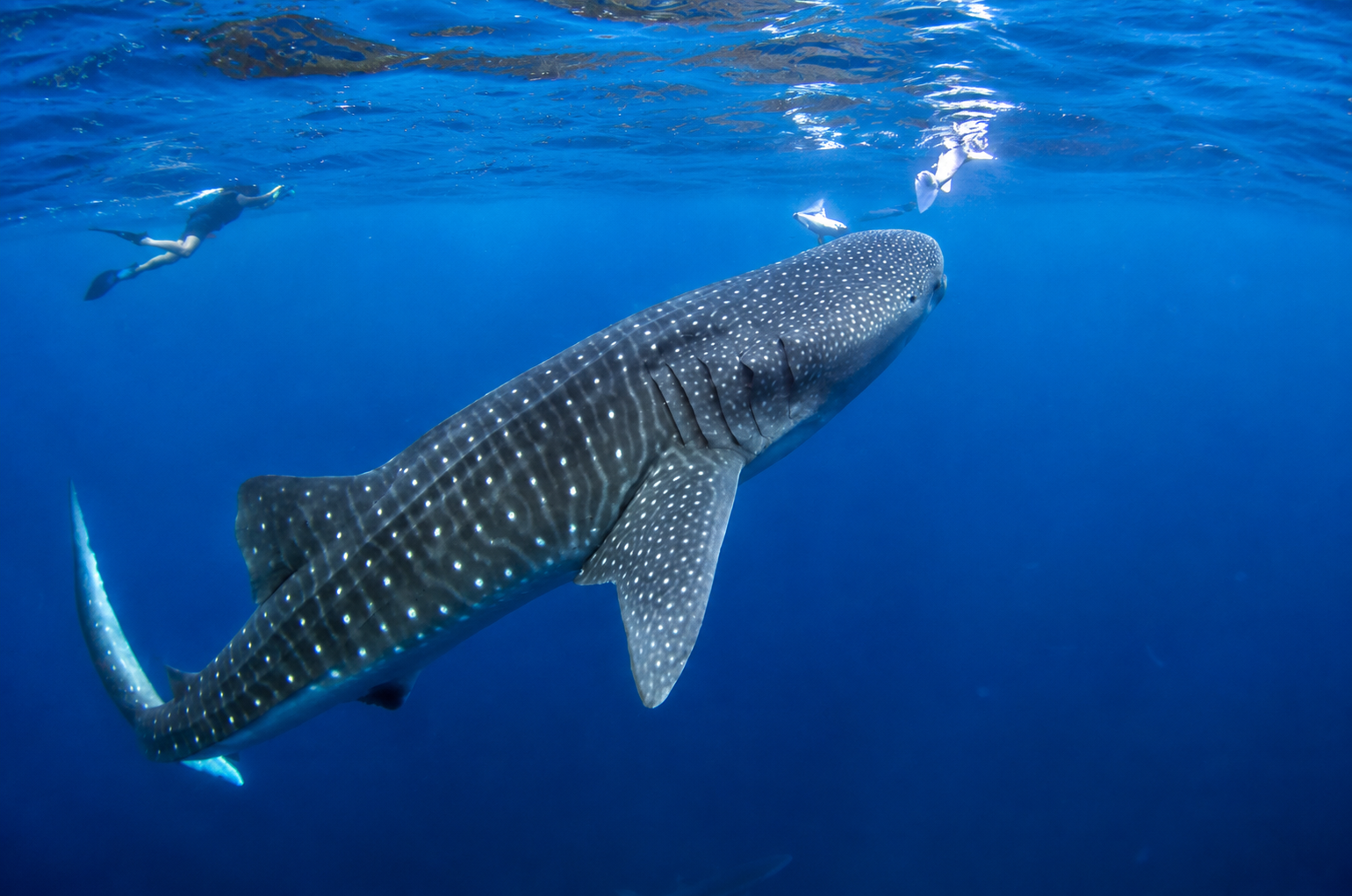
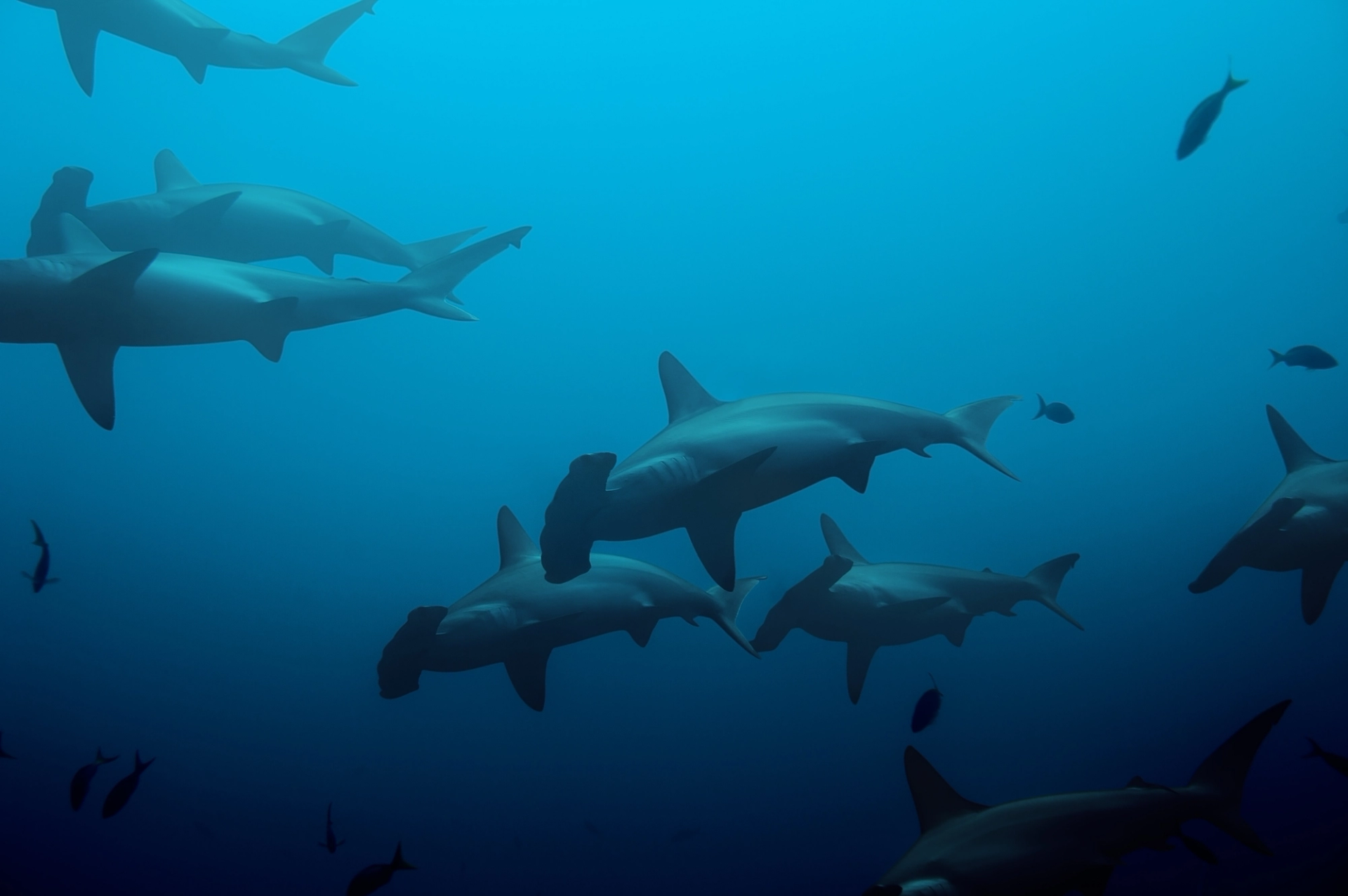
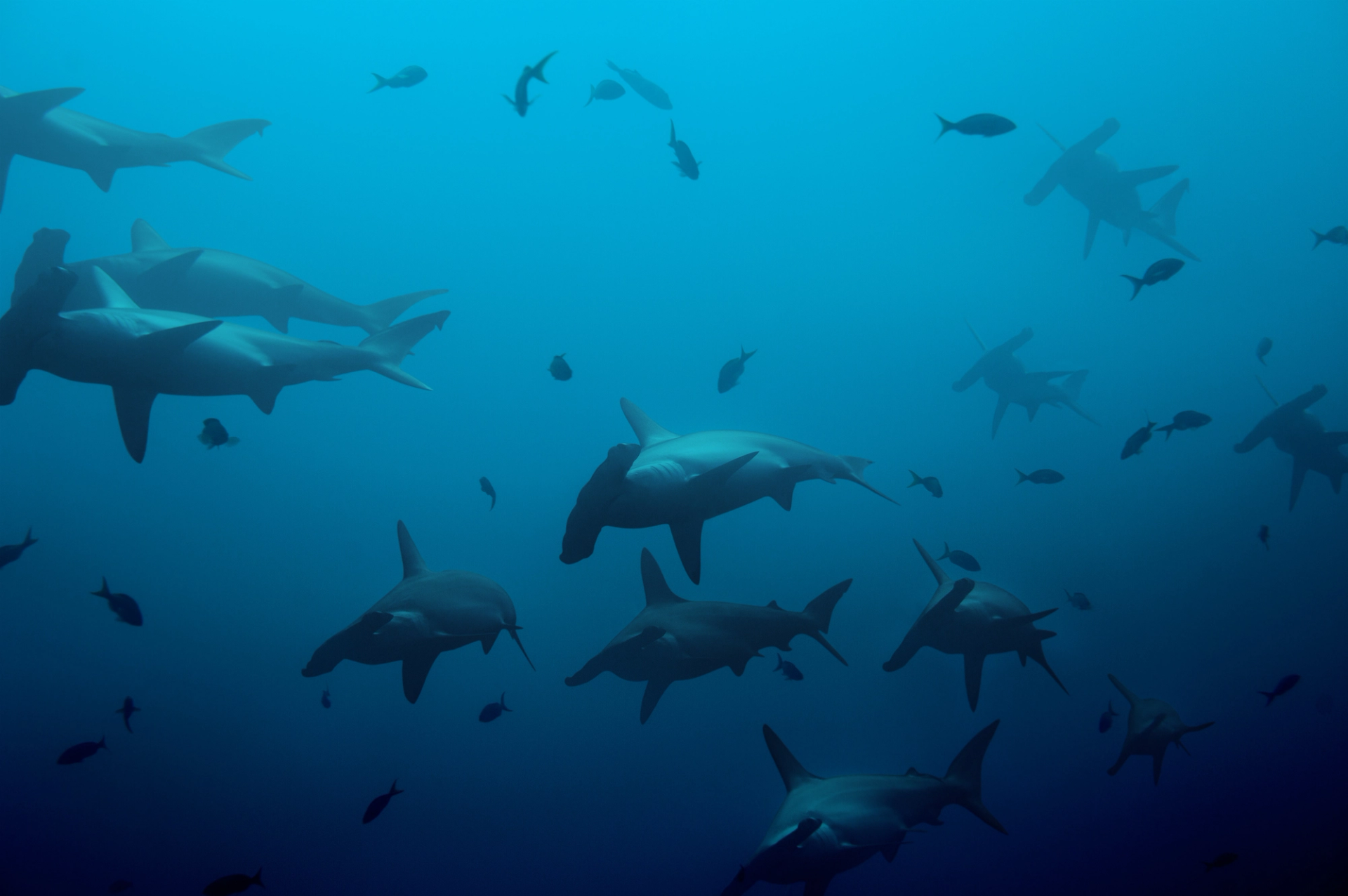
Hammerheads are the headline draw from September to November, especially at more exposed sites. They remain wildlife, not an itinerary inclusion, and the productive conditions that can bring them are often the same ones that make a dive more demanding.
Top dive regions in the Banda Sea
The route moves through areas with different strengths, from the spice-island reefs to open-ocean volcanic outposts.
Nusa Laut
Nusa Laut offers vibrant coral reefs, macro life and schooling fish, with a mix of moderate sites and more current-exposed walls. It is also one of the early-season areas for hammerhead activity.
The Banda Islands
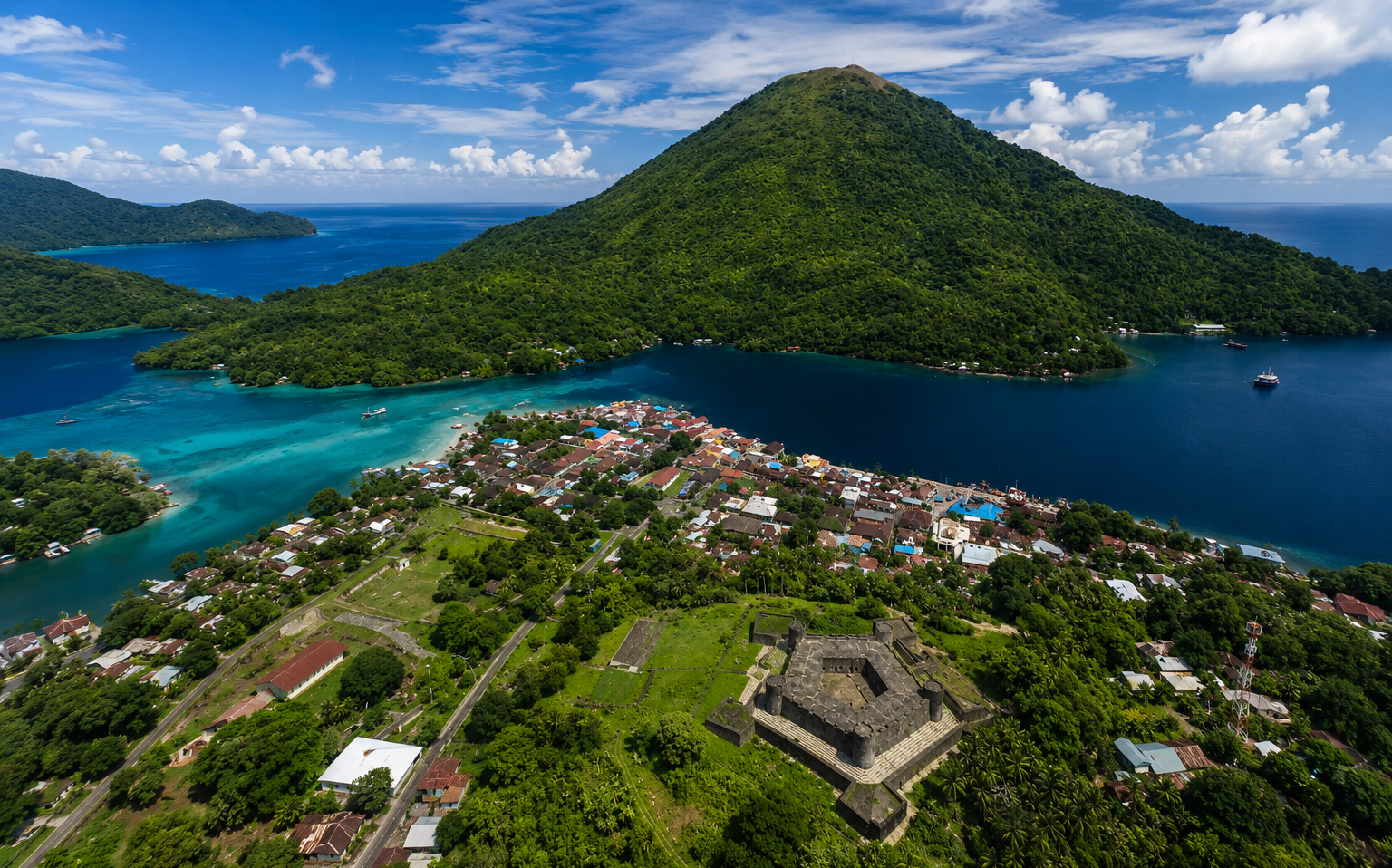
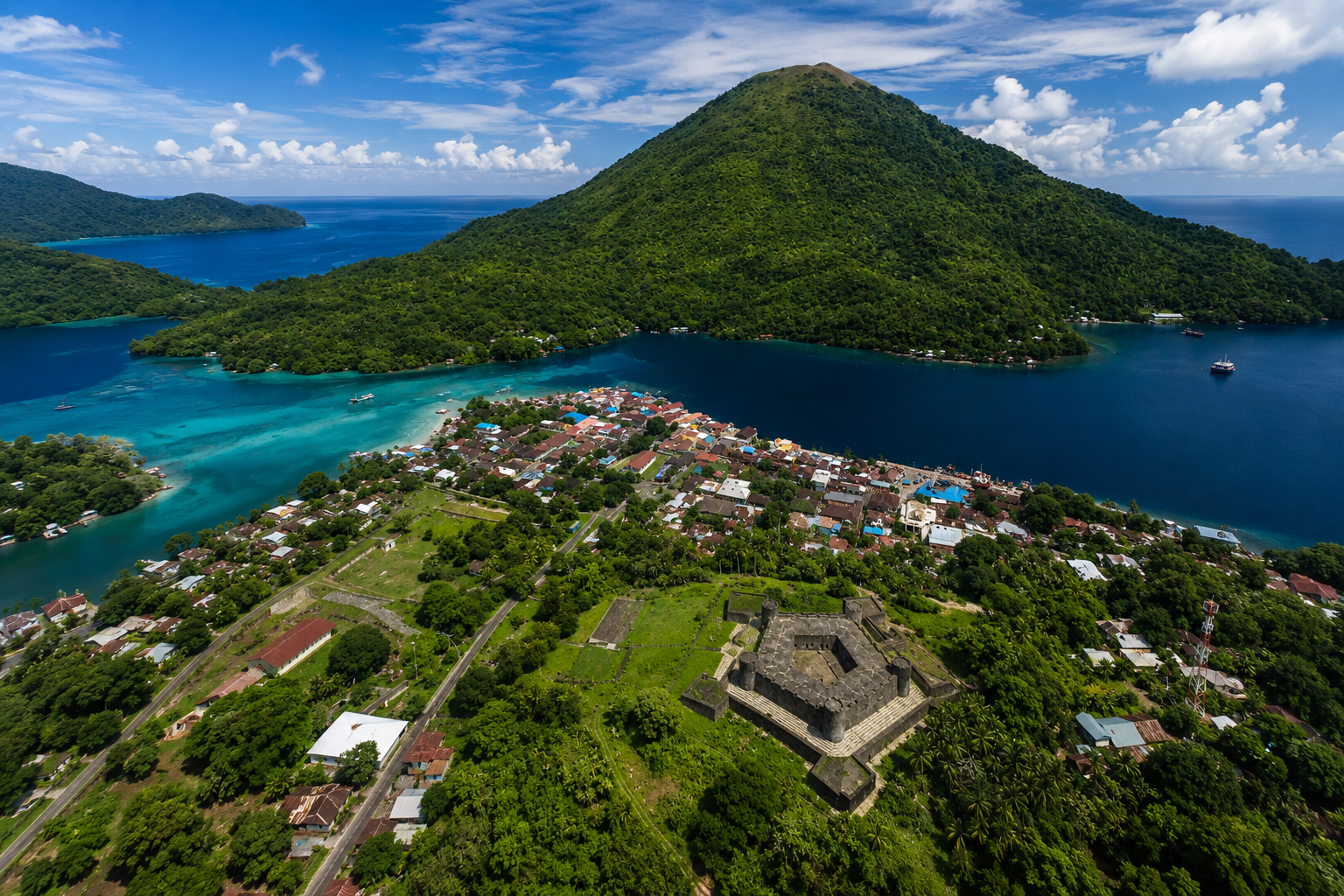
Around Banda Neira, Gunung Api and Hatta, coral gardens and walls meet the cultural center of the Spice Islands. Karang Hatta is known for dense fish life, while the deeper outer edges can bring larger visitors.
Manuk
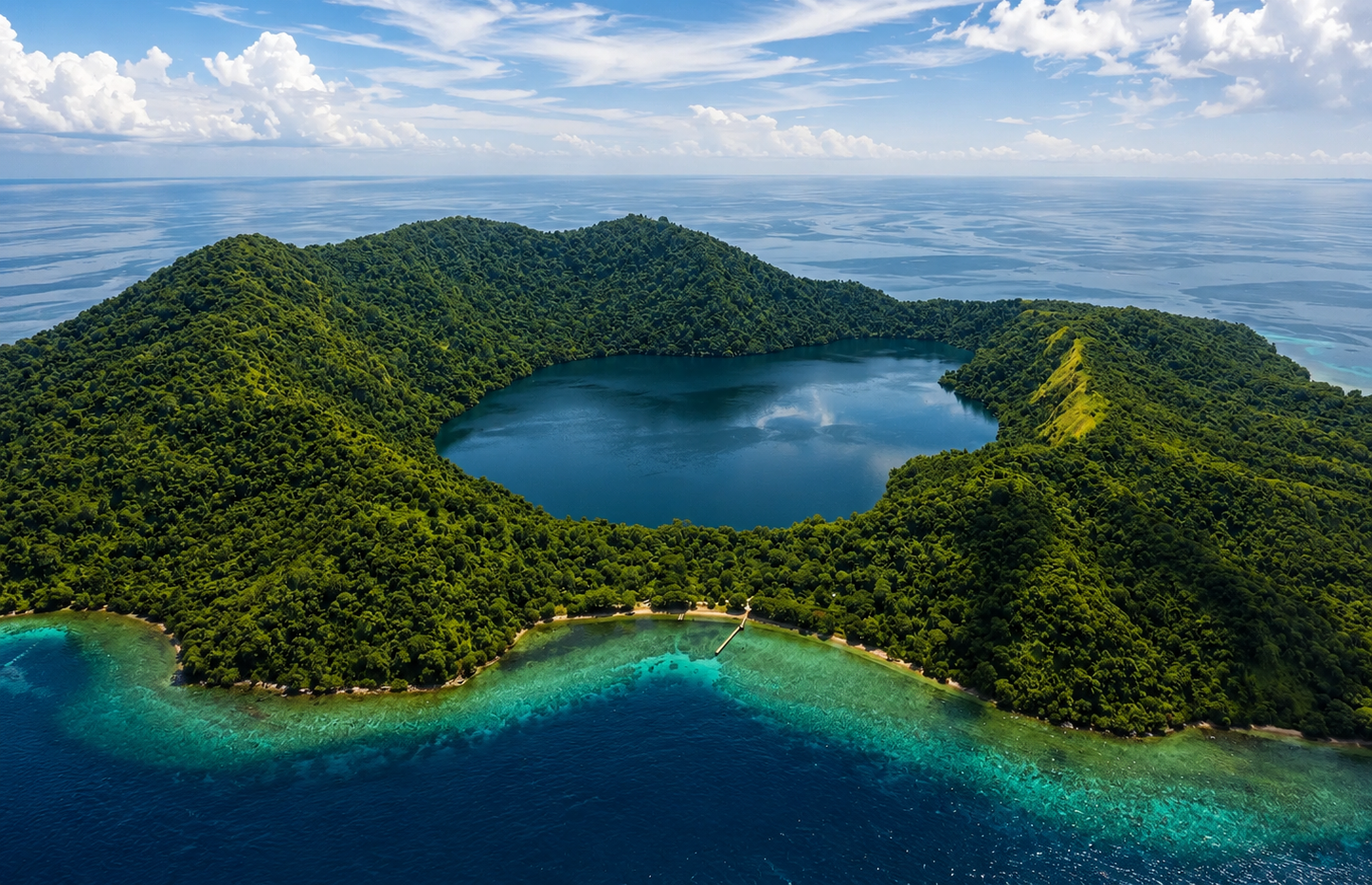
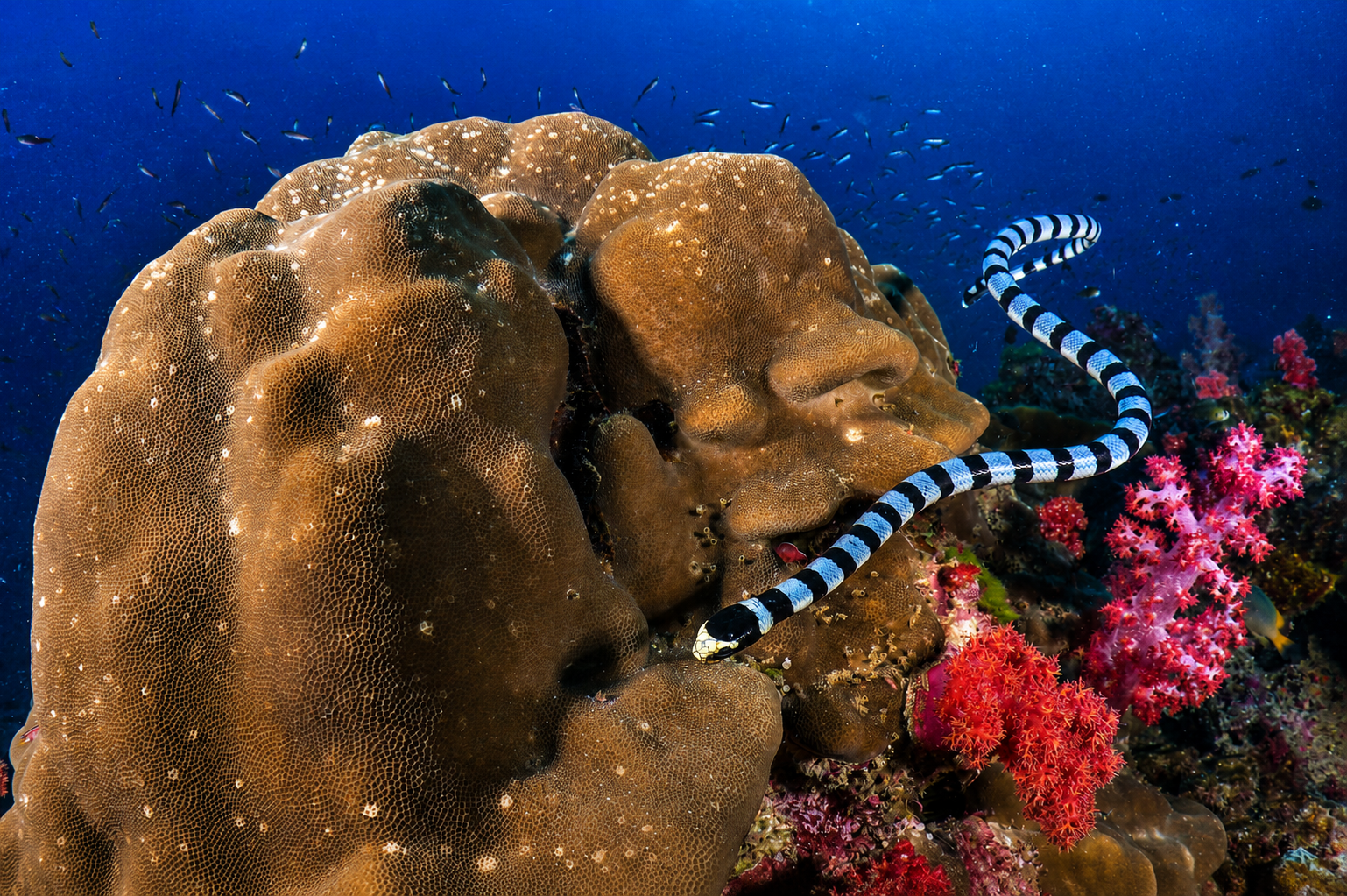
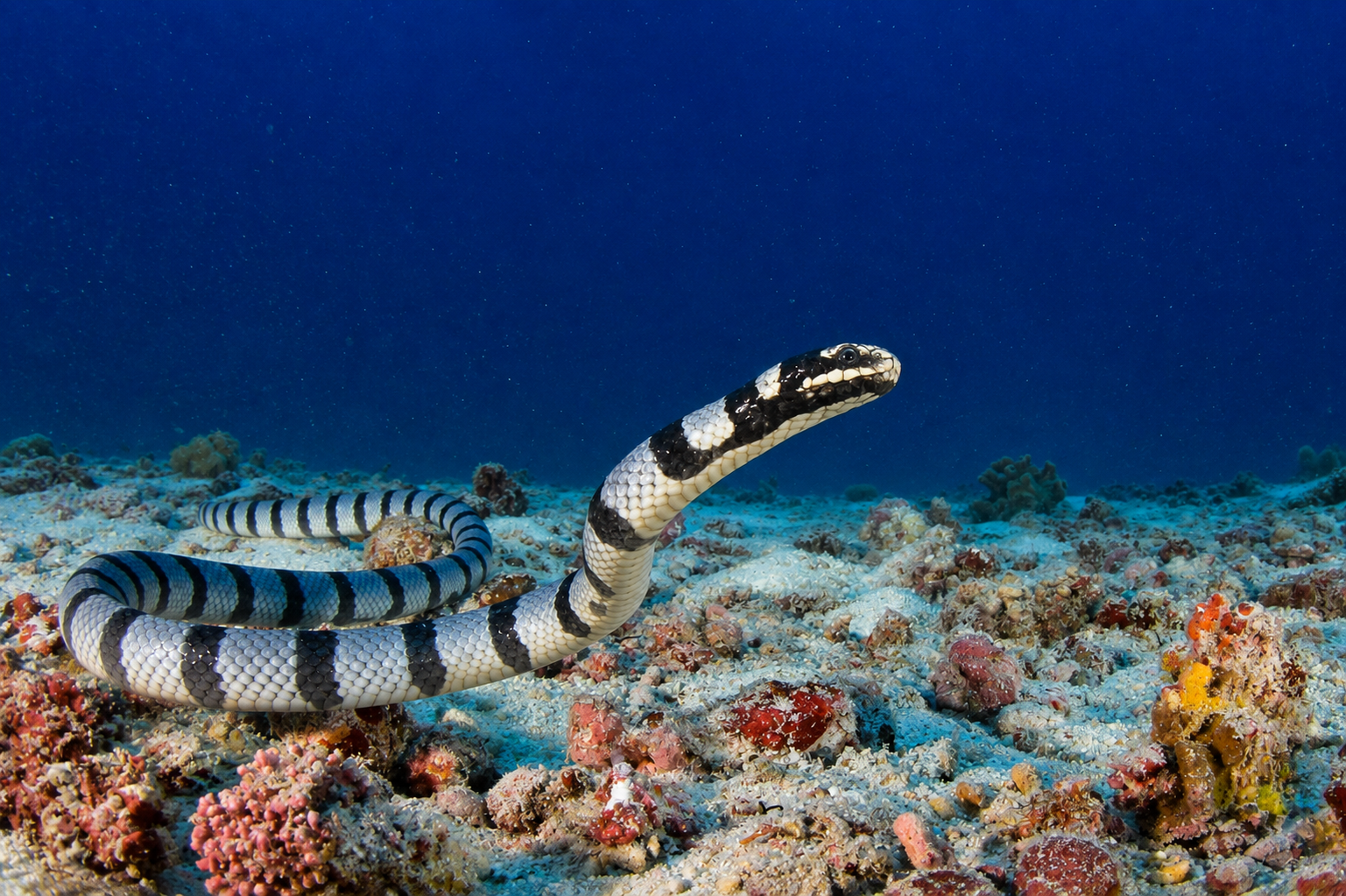
Manuk is a volcanic island whose walls are known for olive sea snakes, reef fish and pelagic movement. Its sea-snake encounters are distinctive, but respectful distance matters: the snakes should never be handled or blocked from the surface.
Suanggi and Serua
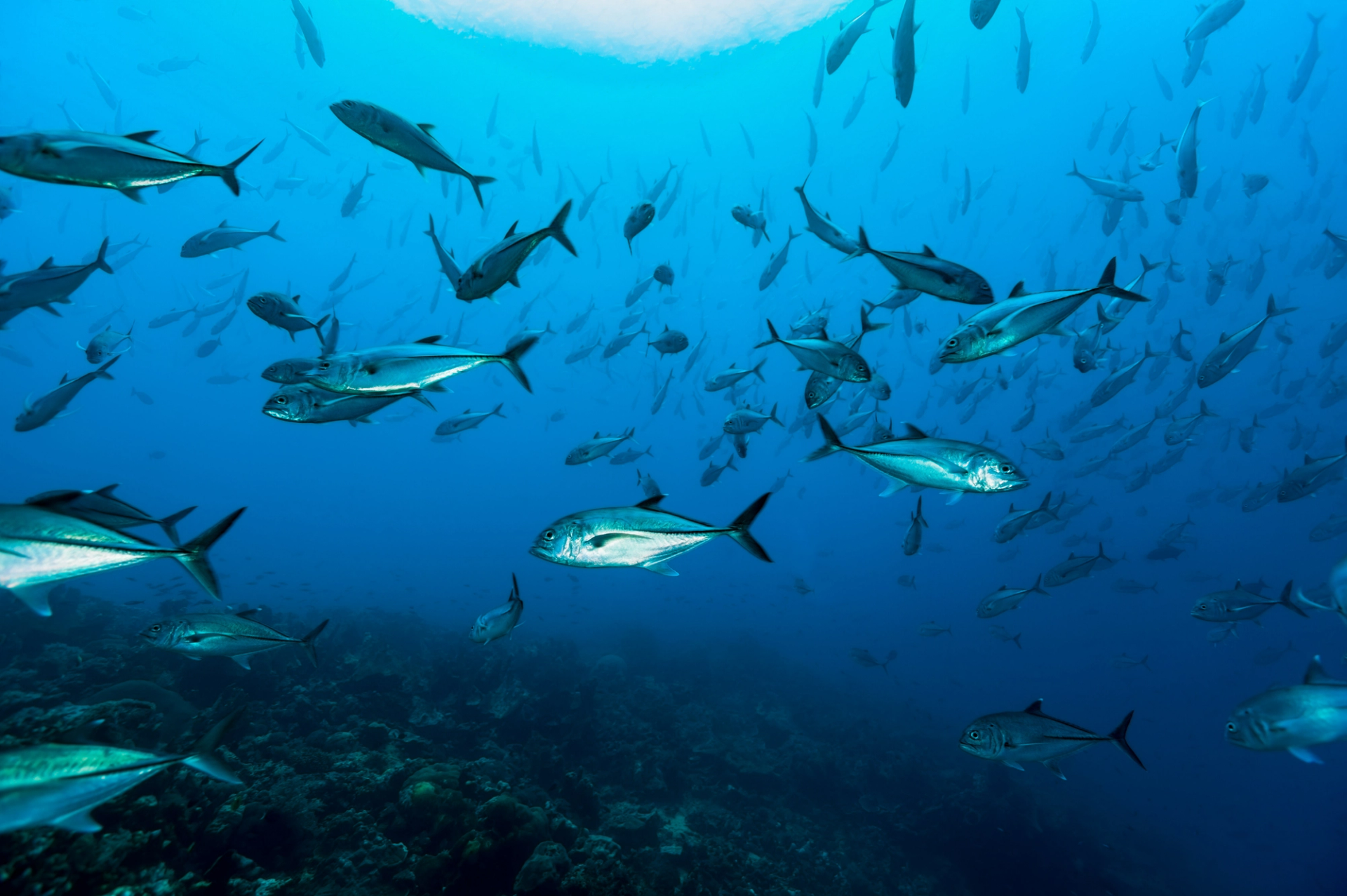
Suanggi and Serua are the more exposed side of the Banda Sea, where strong and changeable current can gather tuna, jacks, barracuda and seasonal hammerheads. These are conditions-led dives for confident divers.
Beyond diving in the Banda Sea
Snorkeling in the Banda Sea
Snorkeling can be possible at selected sheltered reefs, but it is always site- and conditions-dependent. Open-ocean and current-exposed locations are not automatically suitable for snorkelers.
Above water
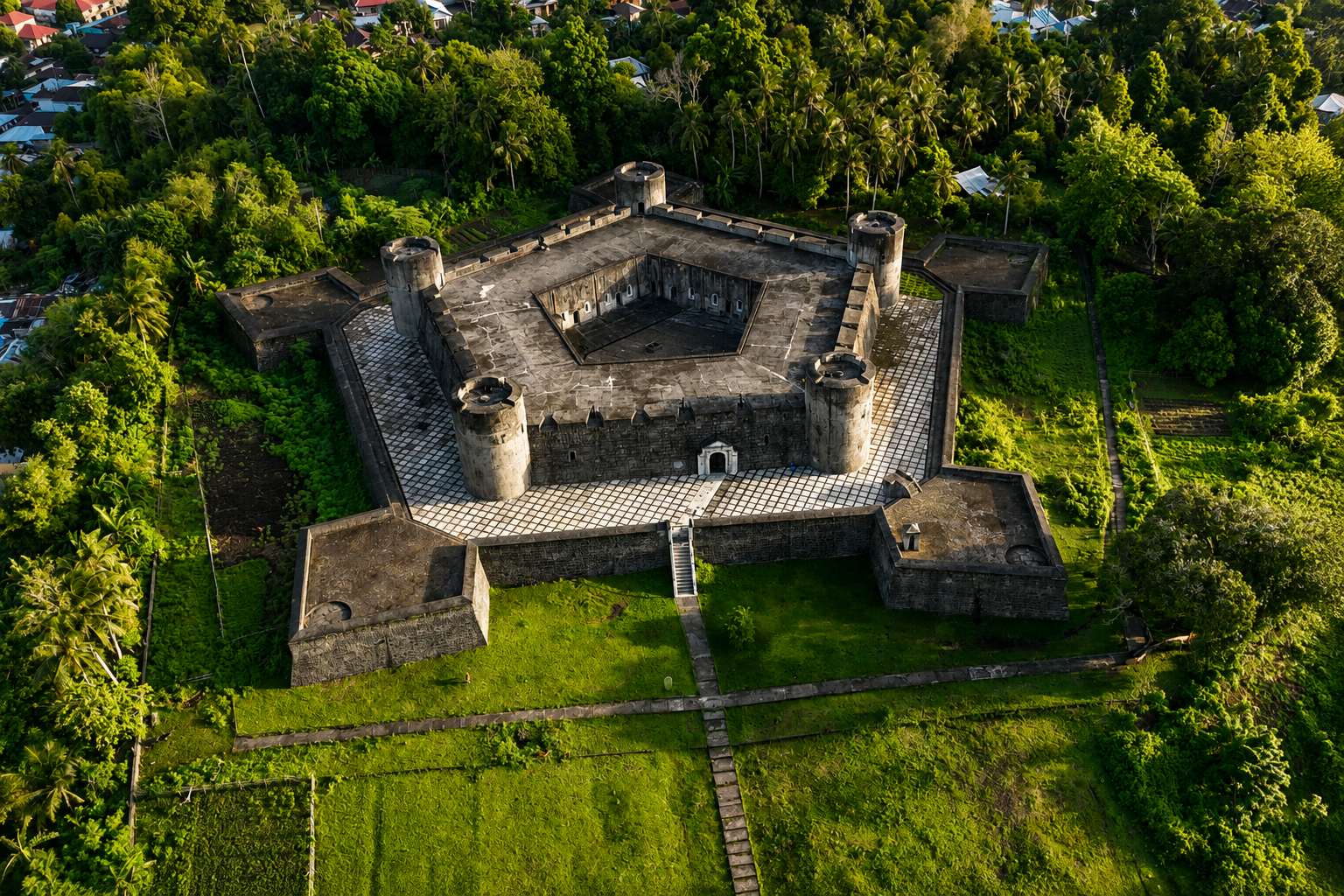
Banda Neira offers the Spice Islands chapter of the journey: nutmeg history, colonial forts and views across the harbor. The history includes the violence of the Dutch East India Company era, so it should be approached with context rather than romanticized.
Best time to travel the Banda Sea
Mari sails the Banda Sea from September to November, the same period associated with the region’s seasonal hammerhead activity.
The trade-off is real. September to November can bring rougher swells and more volatile sea conditions, while calmer April to May crossings sit outside Mari’s current Banda Sea schedule and are not the primary hammerhead window.
Water temperature is typically 25°C to 31°C (77°F to 88°F). Exact conditions, access and site choice vary across an exposed route, so the voyage is planned around the weather and water on the day.
How to get to the Banda Sea
Ambon (AMQ) in Maluku is the main travel hub for Banda Sea liveaboard trips. International guests typically connect through Jakarta or Bali before continuing to Ambon.
Embarkation and disembarkation can vary by itinerary, especially on combination routes, so confirm the start and end port before booking onward flights. Contact us for travel-arrangement advice.
For domestic flights within Indonesia, we recommend checking Traveloka.com, which offers a convenient overview of available Indonesian airlines, routes, and fares.
Best Banda Sea itineraries
Mari’s Banda Sea journeys run for 12 nights and may sail as a standalone route or combine the Banda Sea with Raja Ampat or Triton Bay. A longer route is what makes the distances between the island groups workable without reducing the journey to transit.
Choose by season, start and end port and the balance you want between Spice Islands history, remote reef time and combination-route exploration. The itineraries and upcoming trips below carry the current route details and availability.
Banda Sea highlights
Highlight/01
See seasonal schooling hammerheads
Cooler, productive water can bring schooling hammerheads to open-water sites during the season, though encounters are always conditions-dependent.
Sea snakes in extraordinary numbers
Manuk holds a resident sea snake population in exceptional numbers, with more in the Suanggi shallows. Nearly blind, they navigate by movement and will sometimes follow a diver’s fins.
Follow walls into deep blue water
Volcanic islands and atolls meet deep water in a route built around walls, currents and pelagic movement.
Step into the Spice Islands
Banda Neira adds nutmeg history, colonial forts and harbor views between dives.
Cross a truly remote part of Indonesia
Long passages link reefs and islands that remain far beyond a day boat’s reach.
Gallery
Discover the Best
Banda Sea liveaboard itineraries
Availability
Upcoming Banda Sea liveaboard trips
Book directly through our scheduling partner to view real-time availability and reserve your cabin.
View all trips
Good to know
Banda Sea FAQ
Read All FAQBanda Sea diving is remote, current-led and varied, with volcanic walls, coral reefs and open-water sites that can attract pelagic life. Conditions and the route shape every trip.
Mari requires Open Water certification plus 30 logged dives for the Banda Sea, because open-ocean conditions can be demanding. Site conditions still vary, so the team matches the day’s plan to conditions and the group.
Currents range from moderate to strong depending on the island, site and conditions. Exposed sites such as Suanggi and Serua can be particularly demanding.
Seasonal schooling hammerheads, olive sea snakes at Manuk, reef sharks, tuna, barracuda, jacks, sea snakes and reef life are all possible. Wildlife sightings are never guaranteed.
Mari’s Banda Sea season is September to November, the period associated with seasonal hammerhead activity.
Water temperature is typically 26°C to 30°C (79°F to 86°F). Cooler water is more likely during the upwelling months, so bring exposure protection for the lower end of that range.
No. The Banda Sea is best suited to divers comfortable in remote, open-ocean conditions; some sites may be more demanding than others.
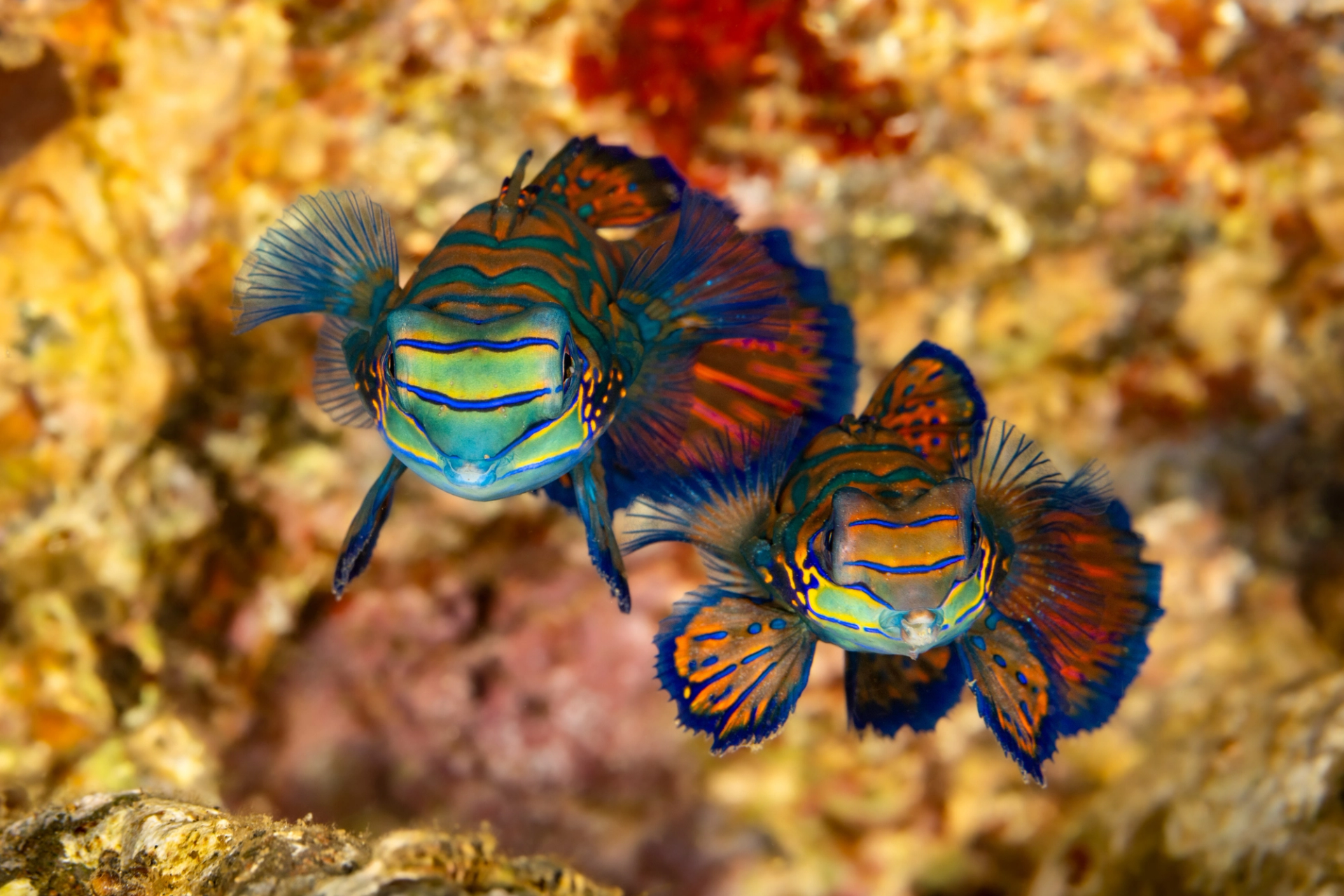
Yes. Alongside its pelagic emphasis, the Banda Islands and Nusa Laut offer macro life including nudibranchs, cuttlefish and mandarin fish at some sites.
The departure port varies by itinerary — Banda Sea routes can start or end at Ambon, Maumere, Saumlaki, Sorong or Kaimana. Most guests fly via Jakarta or Bali to the port for their departure, so check the individual itinerary in our Schedule & Rates before booking flights.
It depends on the itinerary rather than the destination — Banda Sea crossings use several different ports. Check the details of the individual itinerary in our Schedule & Rates before booking onward flights.
For Mari, September to November is the operating season.
September to November can bring rougher swells and variable sea conditions. The route and sites are chosen around the conditions at the time.
Bring your own mask and any personal dive equipment you prefer to dive with, exposure protection for water temperatures of 25°C to 31°C (77°F to 88°F), sun protection, a dry bag and any essential medication. Evacuation insurance is essential for this remote destination.
Selected sheltered reefs can suit snorkeling, but suitability is entirely site- and conditions-dependent.
Marine park and port fees vary by departure. See Schedule & Rates for the fees that apply to your itinerary.
Sail Banda Sea in comfort
About the boat
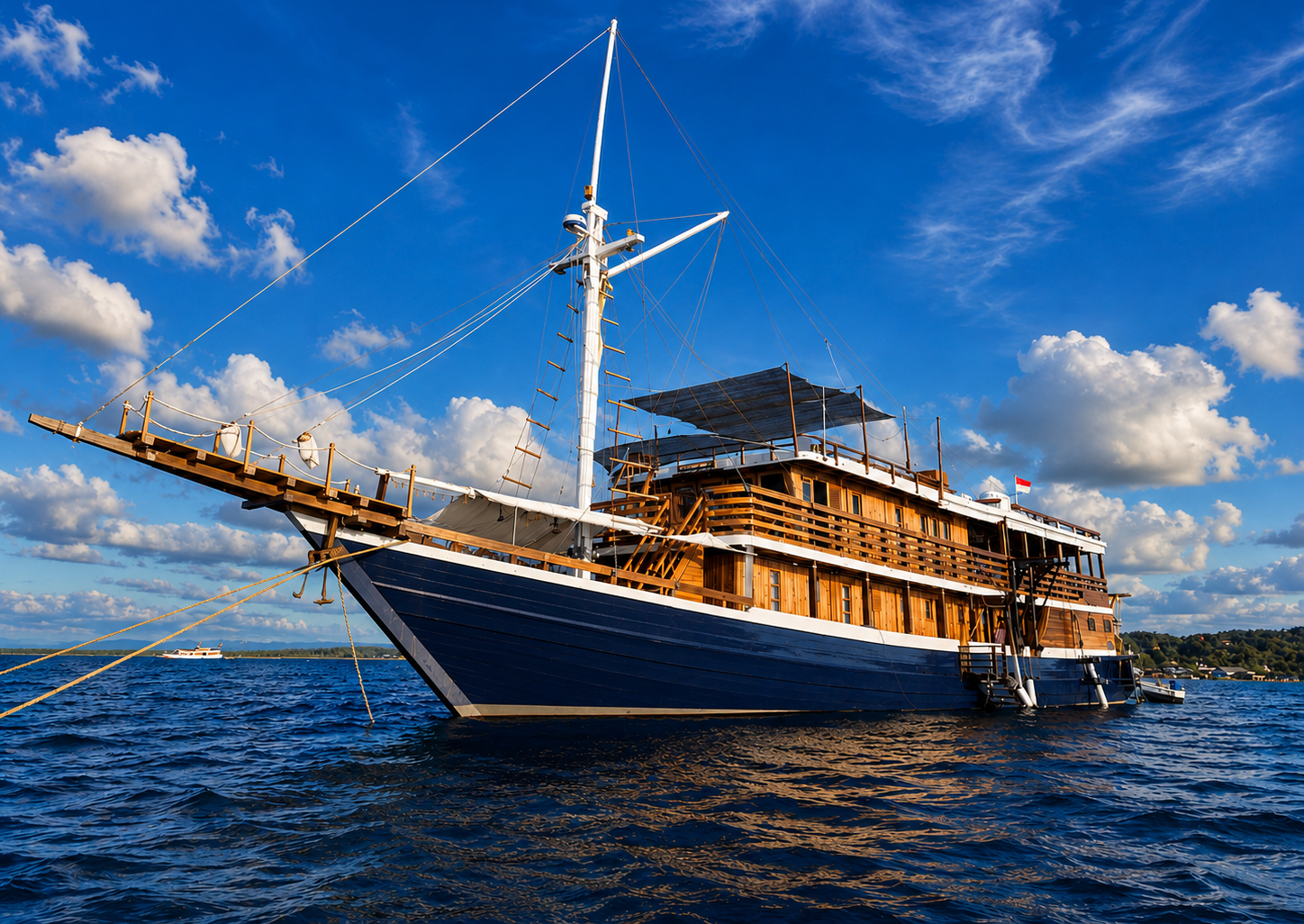
Mari
30m · 7 cabins · 14 guests · 14 crew
Built by the boatbuilders of South Sulawesi, Mari is a 30m traditional Indonesian phinisi liveaboard designed for scuba diving andexploration.
She carries up to 14 guests in seven sea-view ensuite cabins, all on the main deck, combining the character of a wooden sailing boat with the all the amenities that a diver would need to unwind between dives.
Book your Mari Liveaboard trip
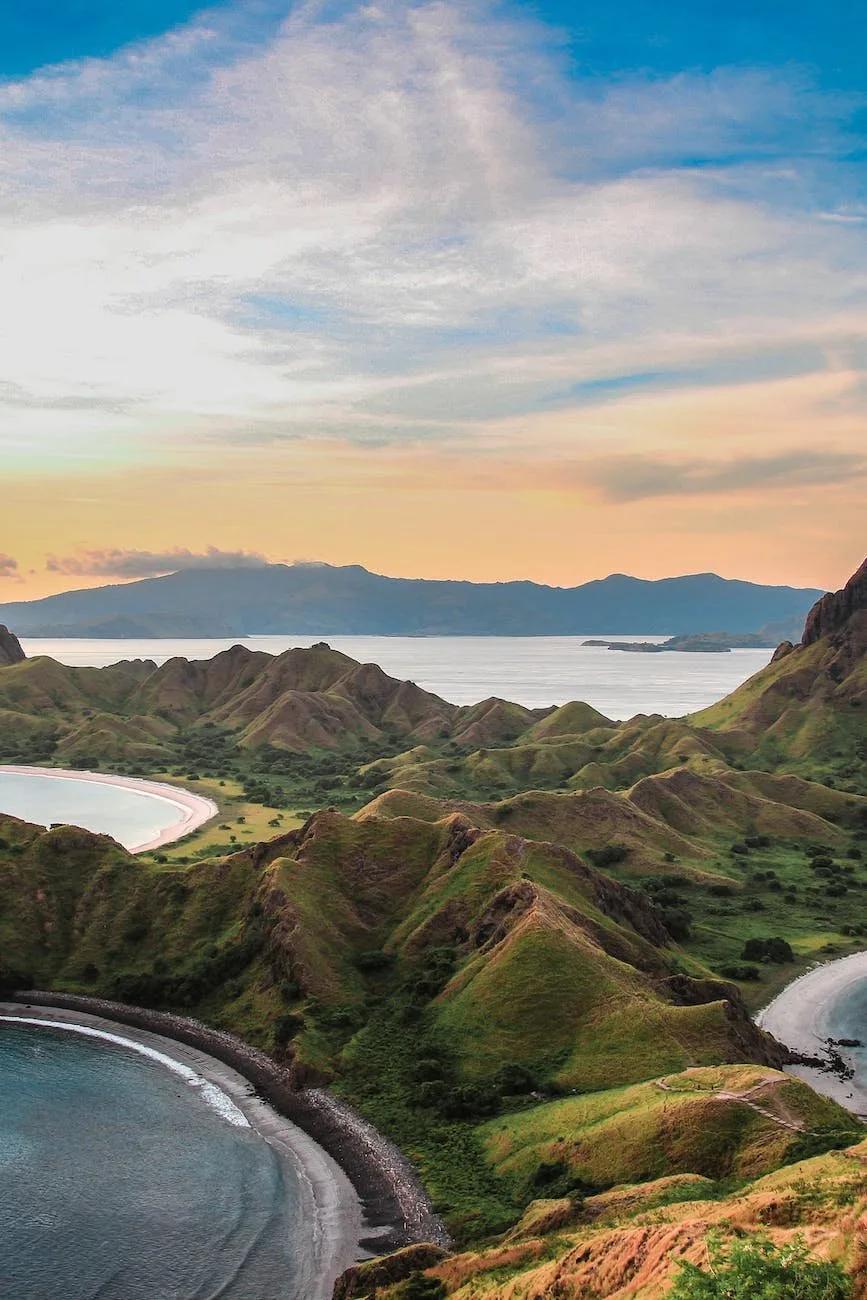
Book a private charter
Charter Mari for a private liveaboard shaped around your group. Sail with up to 14 guests and enjoy the flexibility to plan a route that suits the way you want to dive.
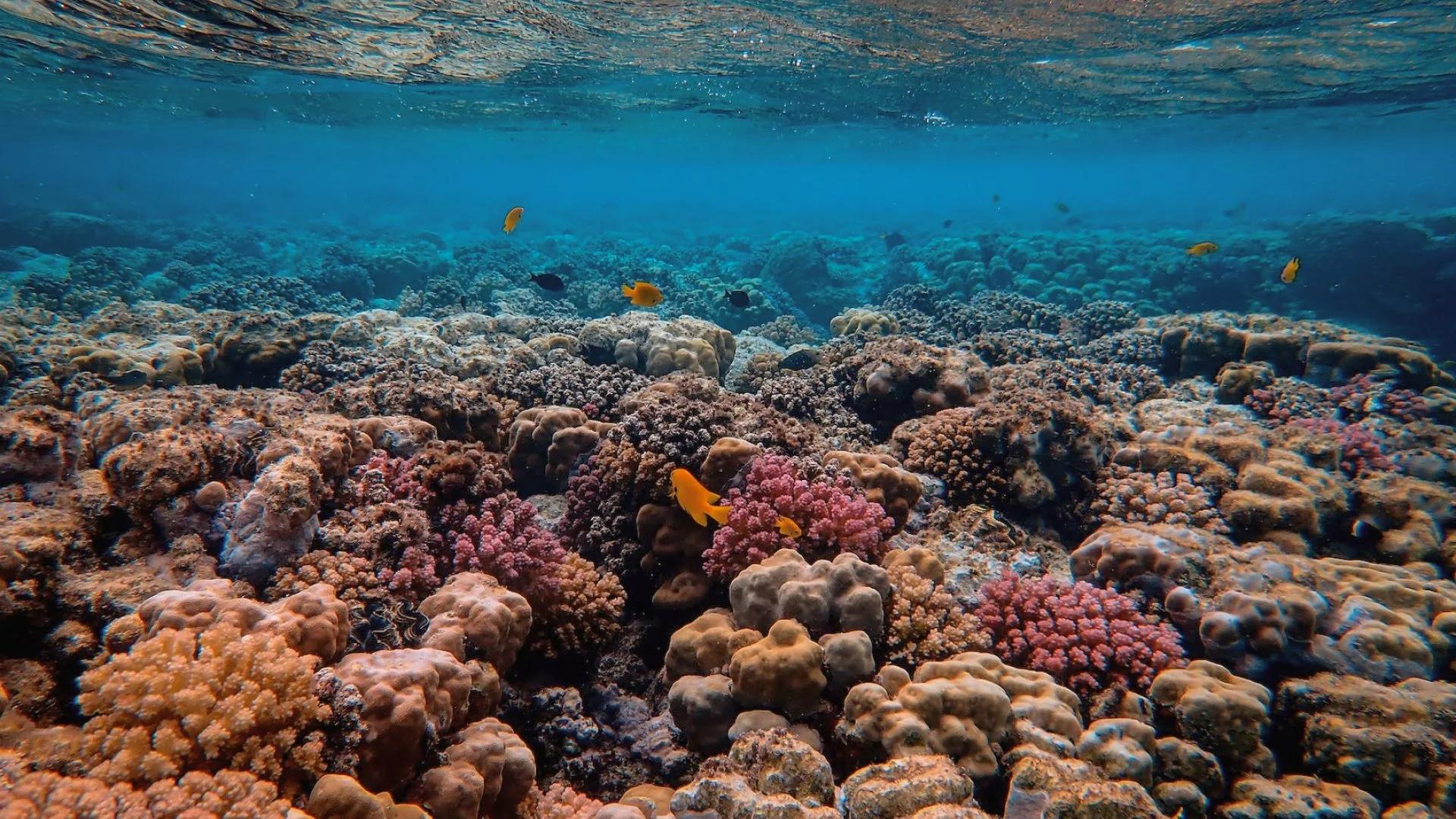
Join a shared diving trip
Join a scheduled Mari departure and dive Indonesia's defining regions alongside fellow dive enthusiasts.
Our journal
Banda Sea articles & news
More blog posts
Contact us
Talk to us
Whether you are comparing destinations, checking a departure, planning a private charter or simply want to know more about Mari, our team is here to help.