Triton Bay Liveaboard
Vivid soft corals, whale shark bagans and a quieter side of West Papua.
Triton Bay Liveaboard Indonesia Overview
A quieter side of West Papua, rich below the surface
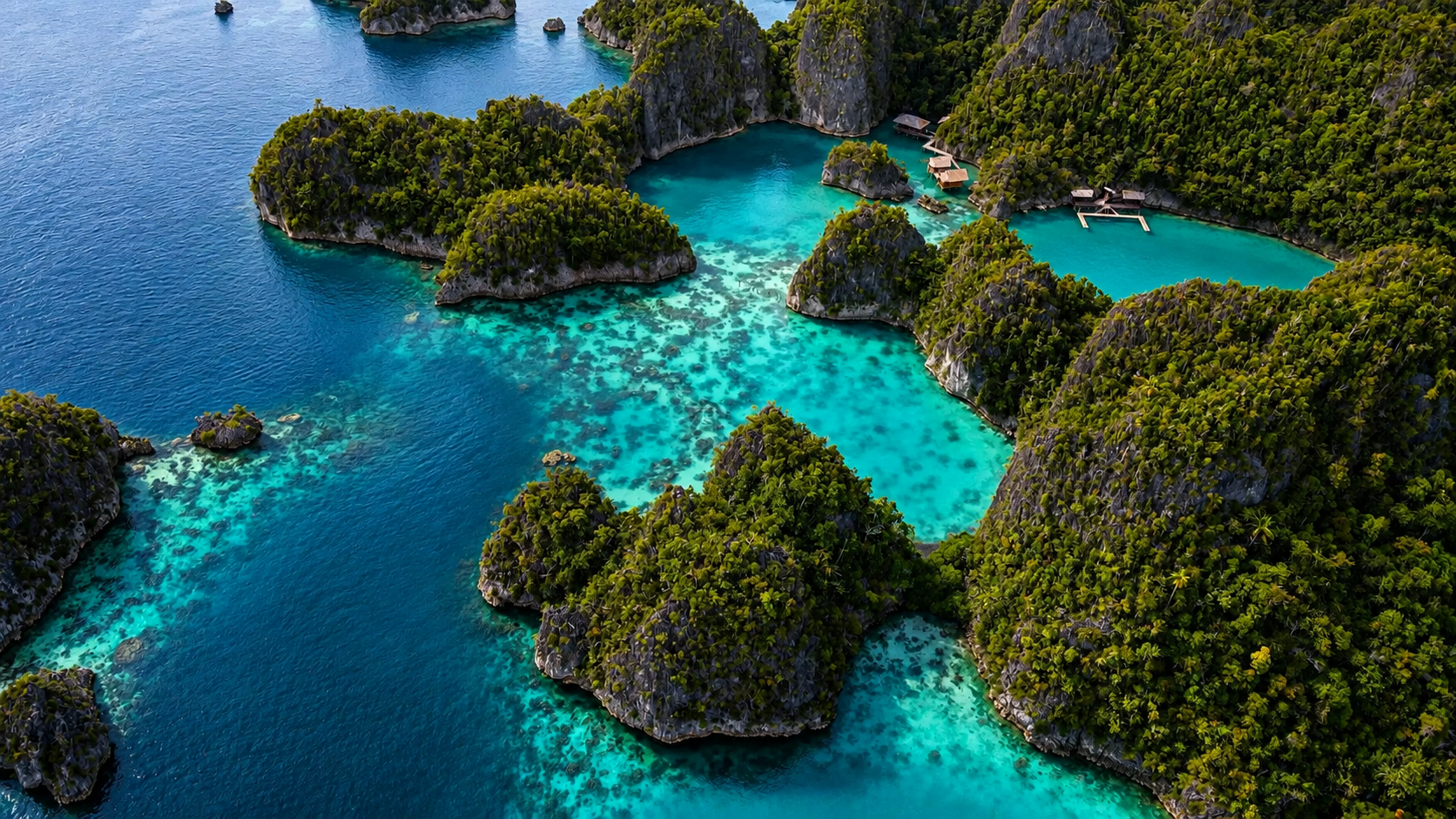
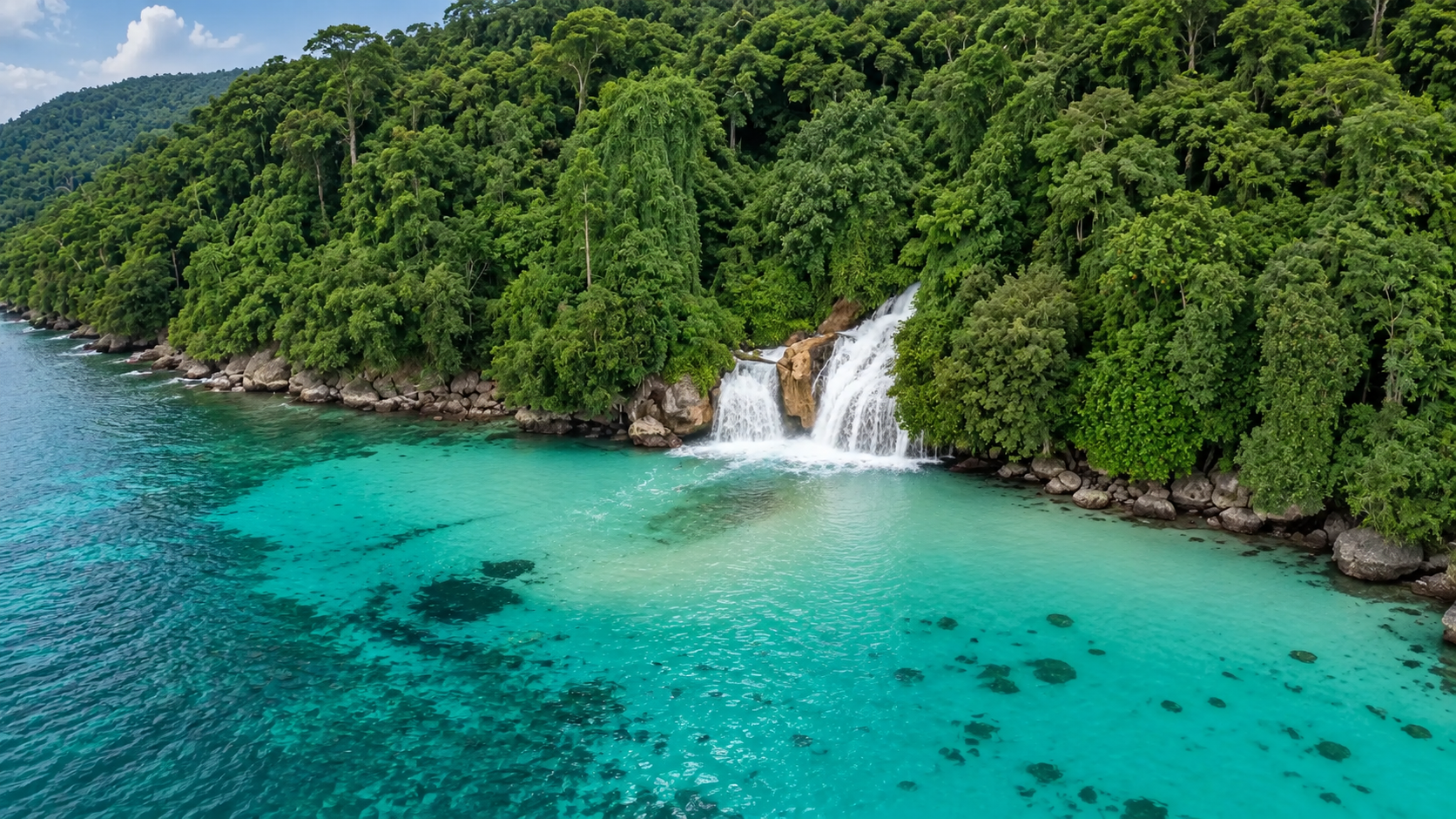
Triton Bay liveaboard diving is less about clear blue water and more about what the nutrient-rich water brings to the reef: soft corals, fish life, macro detail and whale shark bagans. The bay sits in a remote part of West Papua where the landscape feels as quiet as the diving can be full.
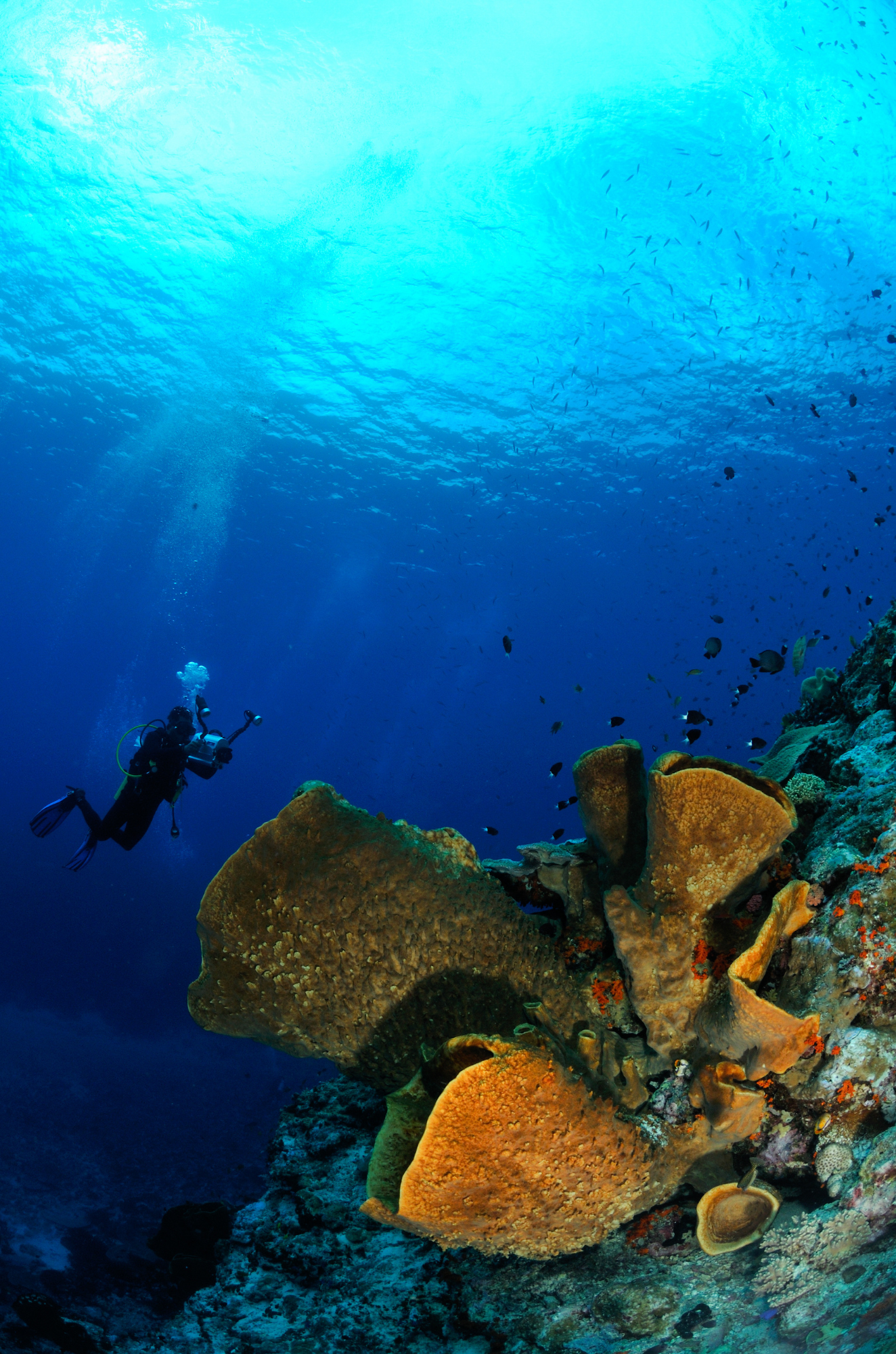
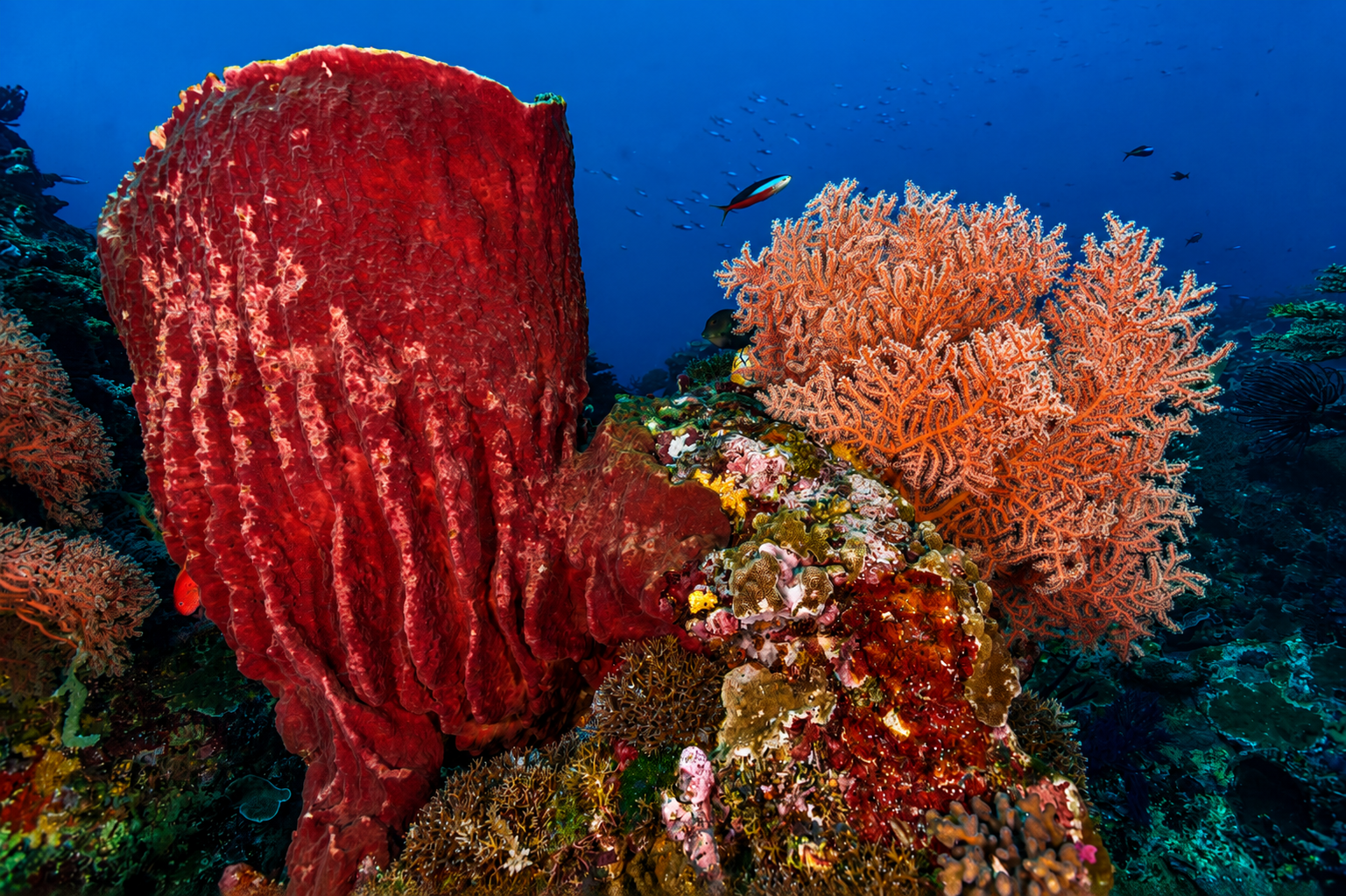
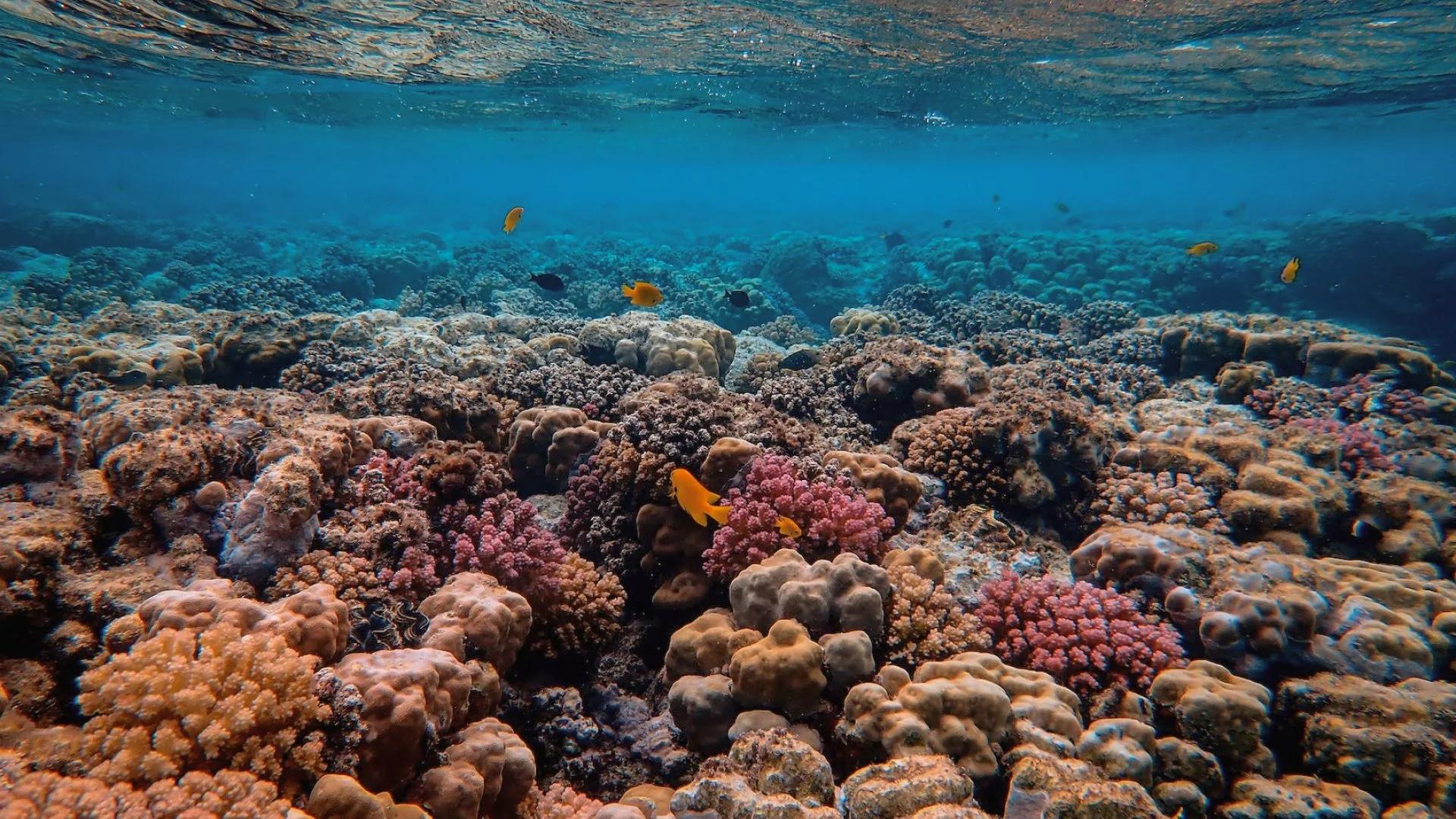
The color begins close to the surface. Soft corals grow densely across the reefs, and their plankton-fed setting gives Triton Bay a different rhythm from the wider Bird’s Head Seascape.
Where is Triton Bay?
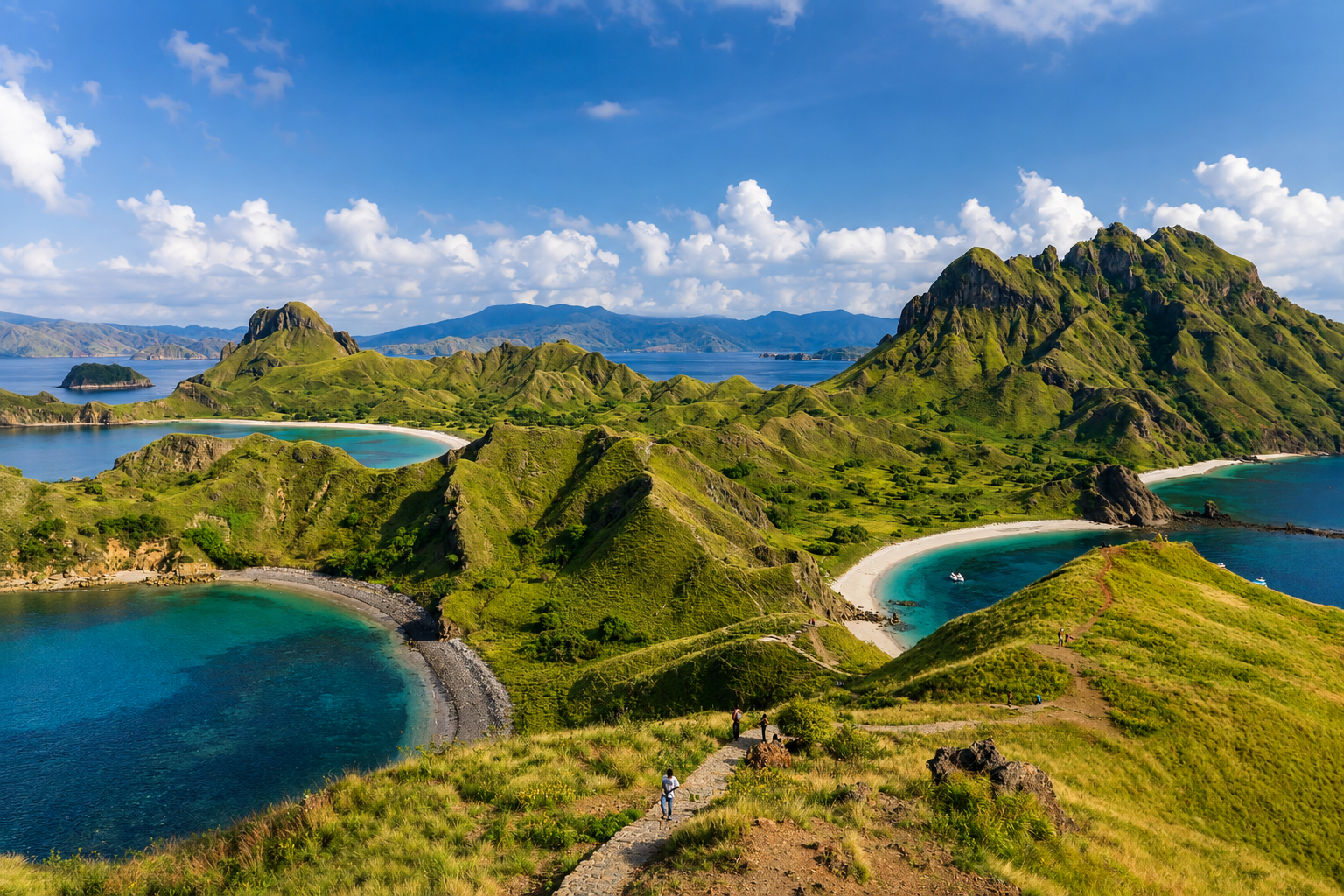
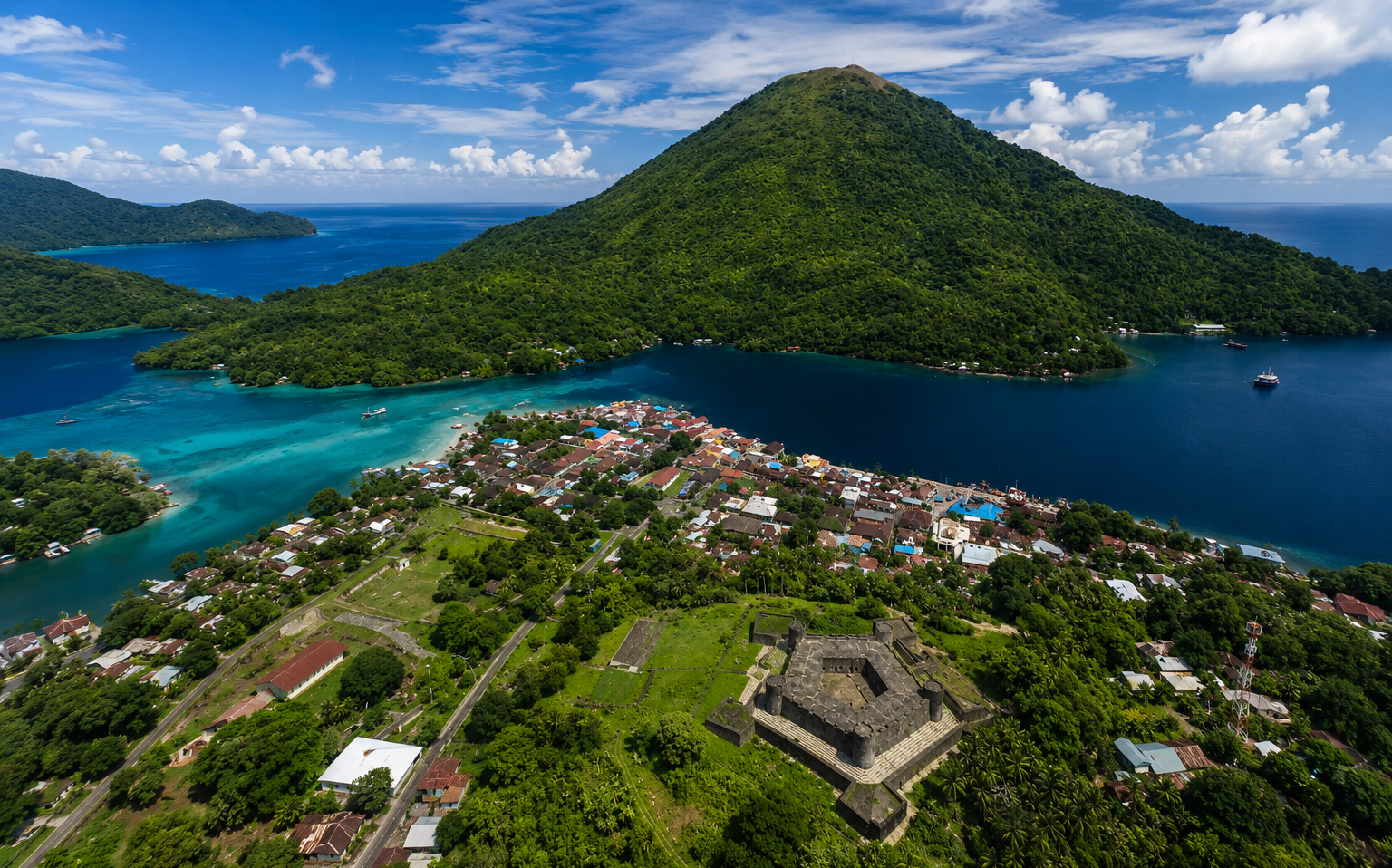
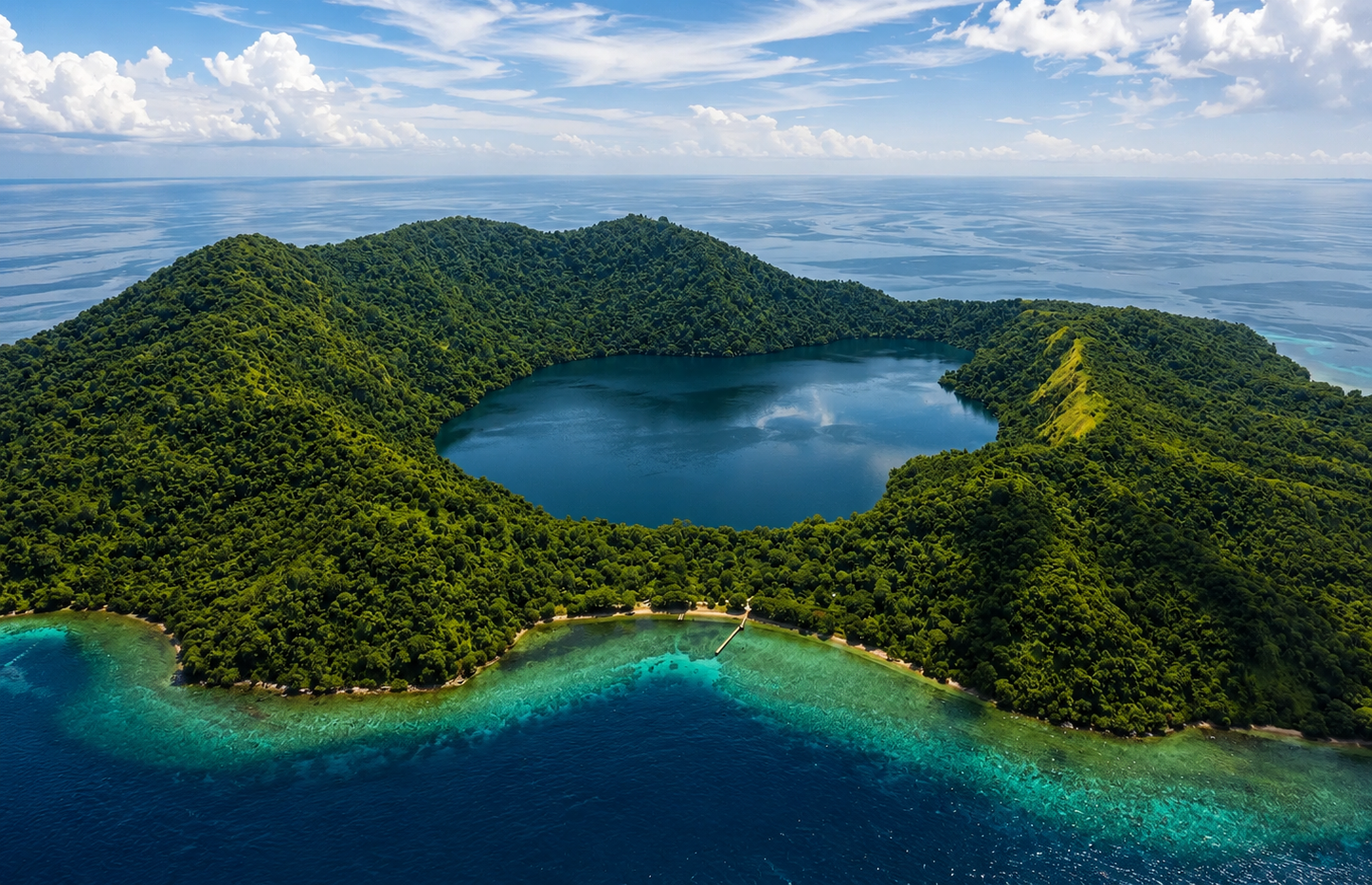
Triton Bay sits on the southwest coast of the Bomberai Peninsula in West Papua, south of Raja Ampat. It belongs to the wider Bird’s Head Seascape, sharing its biodiversity while feeling altogether more secluded.
Kaimana is the nearest airport and the practical gateway for most Triton Bay routes. The distance is part of the appeal, but it also means travel needs more planning than a straightforward domestic connection.
Diving in Triton Bay
Triton Bay is a coral-first destination with water rich in plankton. That nourishment drives its dense soft-coral growth and fish life, but it can also mean visibility is typically 10m to 15m (33ft to 49ft), sometimes lower.
Conditions range from gentler reefs to current-exposed sites. The dive team checks the current before each dive and selects sites around the conditions and the group, so the route feels considered rather than fixed.
Water temperature is typically 27°C to 31°C (81°F to 88°F). A 3mm full suit suits many divers, while cold-sensitive guests may prefer more protection.
Top dive regions in Triton Bay
The bay’s dive areas each bring a different focus, from soft-coral reefs to bagan encounters and more macro-led exploration.
Triton Bay core
The core bay is where Triton Bay’s soft coral coverage makes its strongest impression. Dense growth, schooling fish and shallow color reward a slower dive as much as a wide-angle one.
Namatote
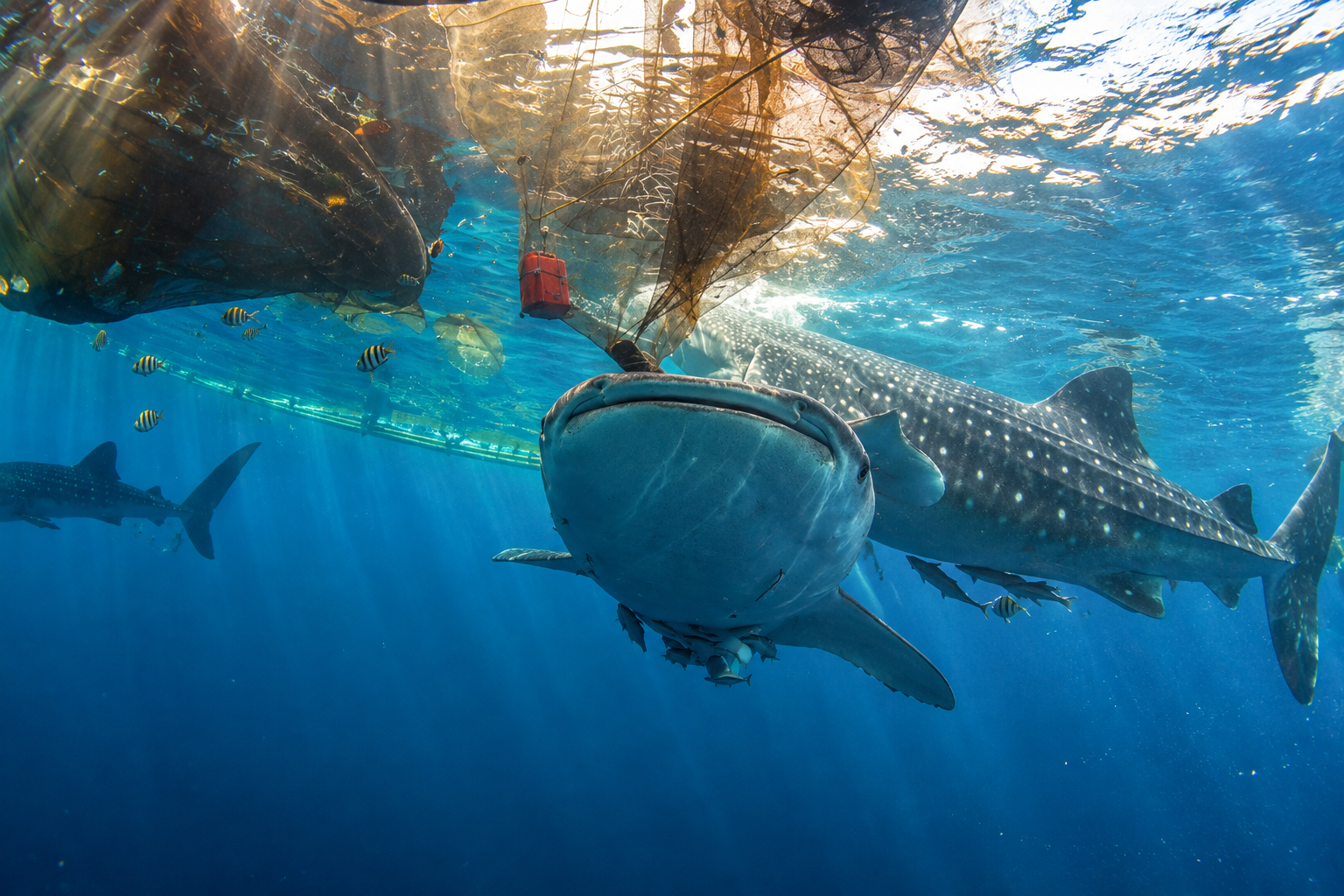
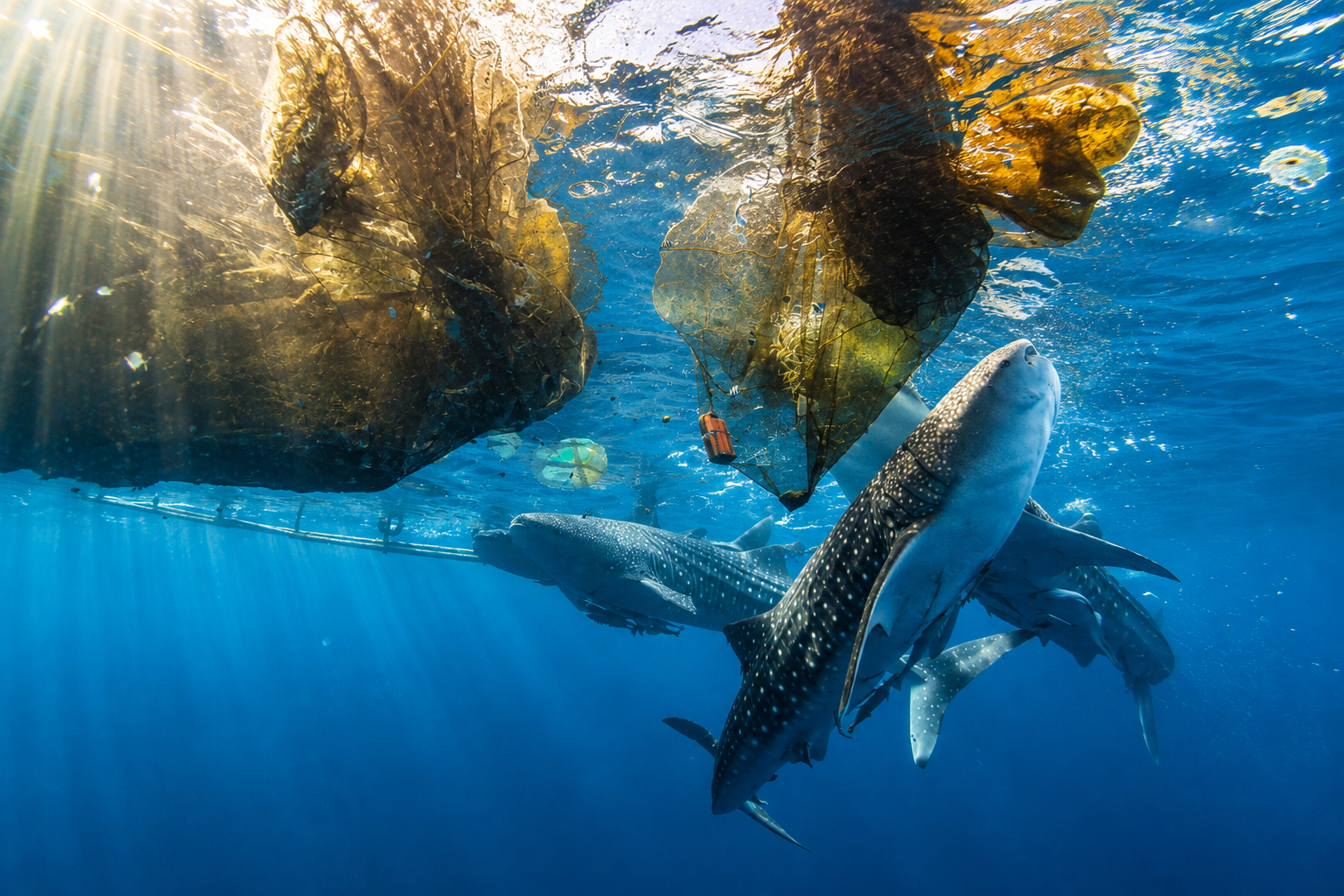
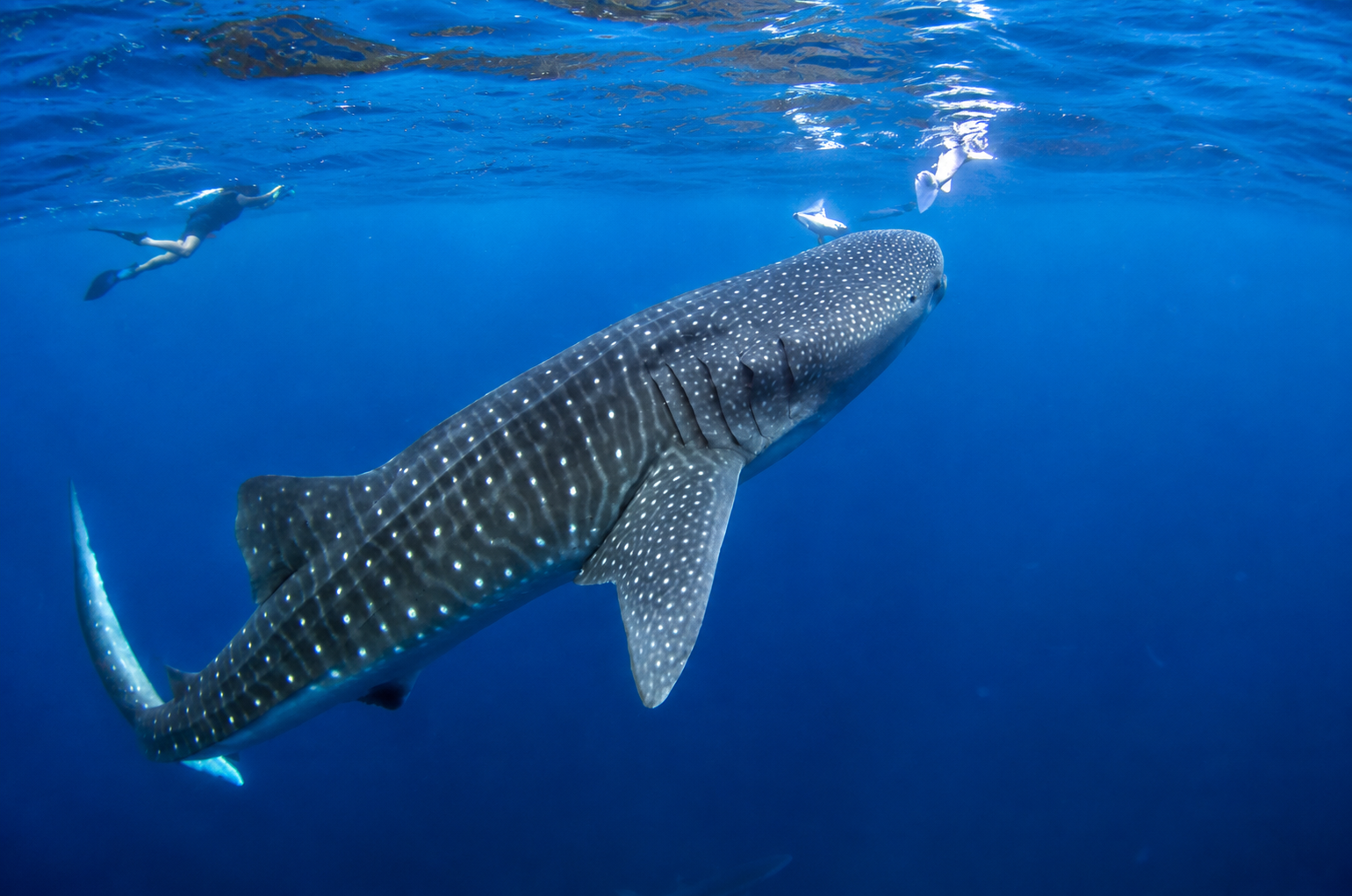
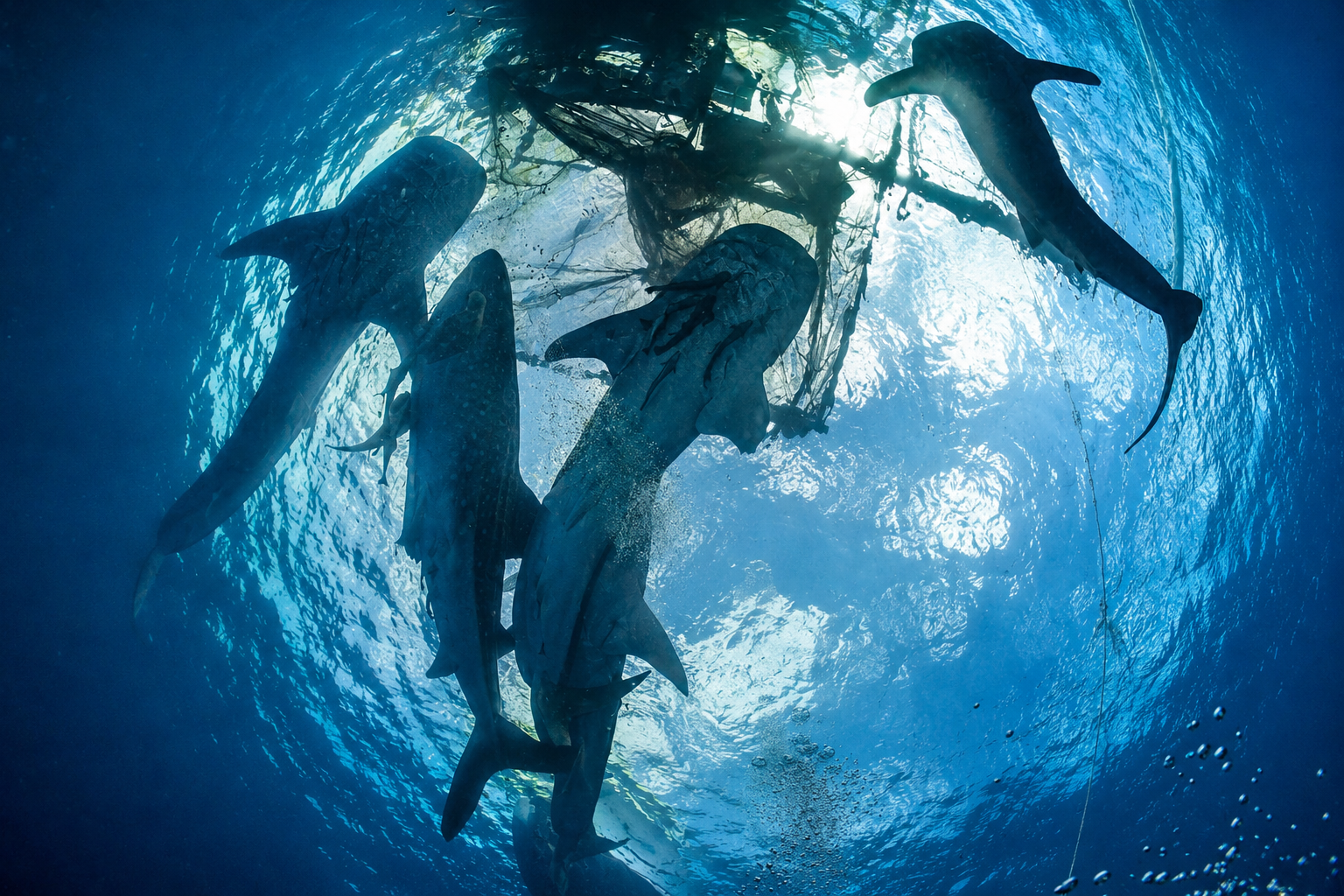
Namatote brings the whale shark bagans and ancient rock art together in one area. The bagans attract baitfish, and whale sharks can arrive to feed beneath them; the timing, animals and conditions still decide the encounter.
Aiduma
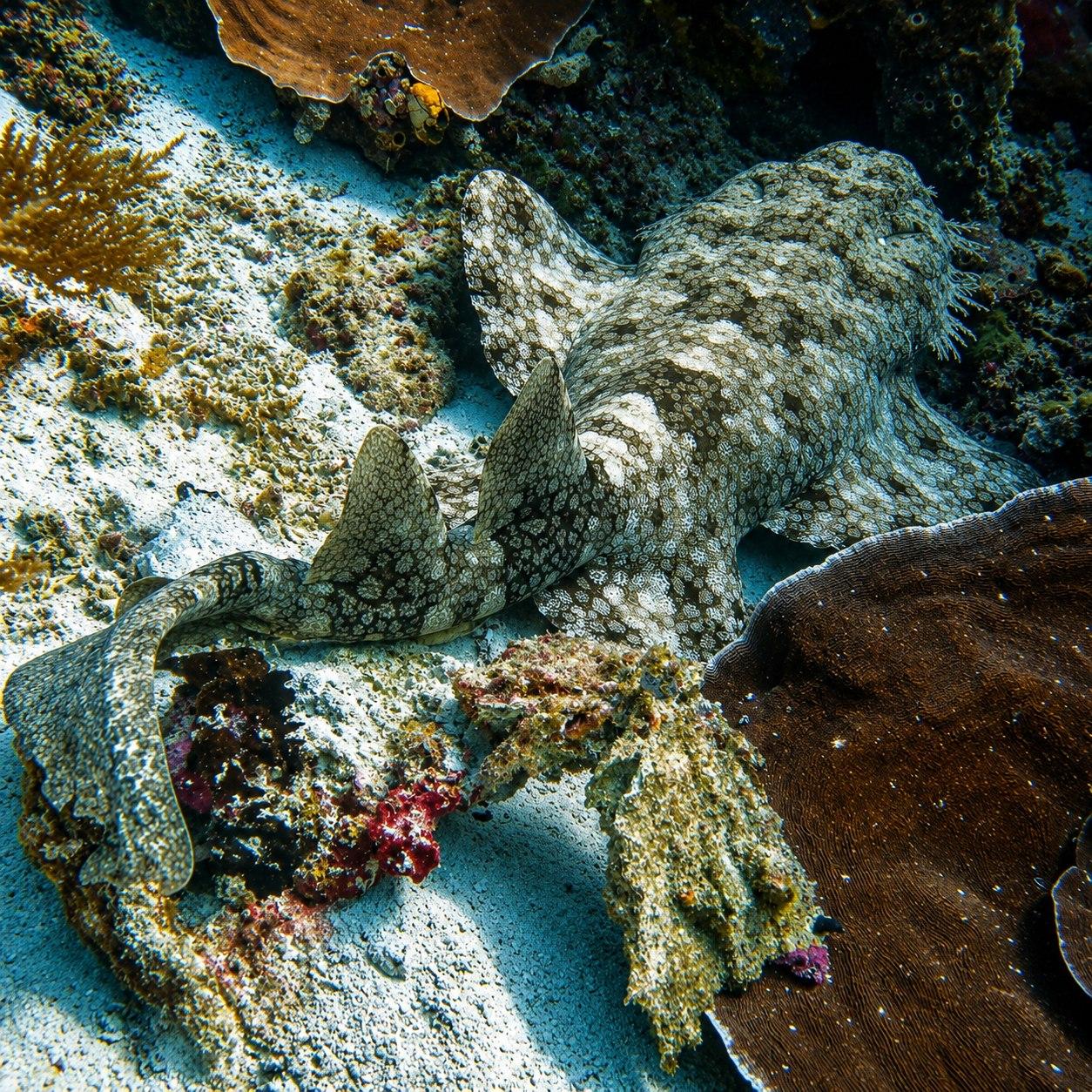
Aiduma is the close-look part of the route, associated with wobbegongs, pygmy seahorses, ghost pipefish and nudibranchs. It is a good reminder that Triton Bay’s appeal is not only large-animal diving.
Dramai
Dramai brings more water movement, large fish schools and dynamic reef structure. Conditions determine the right profile and timing here.
Beyond diving in Triton Bay
Snorkeling in Triton Bay
At Namatote, whale shark encounters can work as a surface snorkel as well as a dive, depending on the animals’ positioning and the conditions. Other snorkeling is site-dependent, particularly where current is present.
Above water
Namatote’s limestone walls hold ancient rock art, including handprints and figures, offering an unusual cultural layer beside the bagans. Remote beaches and quiet passages through the bay add another pace to the trip, subject to the route and conditions.
Best time to travel Triton Bay
October to March is the primary season for Triton Bay, aligning with calmer northwest-monsoon conditions in this part of West Papua. Mari’s Triton Bay journeys are always part of a longer combination route, so the exact timing also depends on the destination it is paired with.
The sea is not the whole story. Nutrient-rich water is central to the coral growth and marine life, and it can reduce visibility, so this is a destination chosen for color and life rather than a promise of long blue-water views.
Water stays warm at 27°C to 31°C (81°F to 88°F). The route and sites are planned around weather, tide, current and the group.
How to get to Triton Bay
Kaimana (KNG) is the nearest airport to Triton Bay. International guests typically fly through Jakarta or Bali before connecting to Kaimana, while some combination routes use Sorong (SOQ) as the start or end point.
For domestic flights within Indonesia, we recommend checking Traveloka.com, which offers a convenient overview of available Indonesian airlines, routes, and fares.
Domestic connections can be limited and changeable, so leave a meaningful buffer before embarkation. Confirm the exact itinerary port before booking onward flights. Contact us for travel-arrangement advice.
Best Triton Bay itineraries
Mari’s Triton Bay trips are at least 12 nights and combine the bay with Raja Ampat or the Banda Sea. That longer route gives the journey time to move between very different parts of eastern Indonesia instead of treating Triton Bay as a short add-on.
Choose your route around the region you want to pair with it, the season and the embarkation port. The route cards and upcoming trips below carry the current details and availability.
Triton Bay highlights
Highlight/01
Shale Sharks Under a Bagan (Fishing Platform)
Meet whale sharks at Namatote bagans
Whale sharks can gather beneath traditional fishing platforms where baitfish concentrate, though encounters are always wildlife and never guaranteed.
Dive a less-visited corner of West Papua
Far fewer liveaboards reach Triton Bay, leaving space for unhurried diving in a remote setting.
Carpet Shark
Discover the Best
Triton Bay liveaboard itineraries
Availability
Upcoming Triton Bay liveaboard trips
Book directly through our scheduling partner to view real-time availability and reserve your cabin.
View all trips
Good to know
Triton Bay FAQ
Read All FAQTriton Bay is a soft-coral, fish-life and macro destination with a remote, uncrowded feel. Nutrient-rich water supports the reefs but can limit visibility.
Mari requires Open Water certification plus 30 logged dives for Triton Bay. Some gentler sites and bagan encounters suit a broader range of ability, and the team matches the day’s plan to conditions and the group.
Current varies by site. Some sites can be current-exposed, while others are gentler; the dive team checks conditions before the dive.
Whale sharks at Namatote bagans, wobbegongs, pygmy seahorses, ghost pipefish, nudibranchs, frogfish, cuttlefish, sweetlips and snappers are all possible. Sightings are never guaranteed.
October to March is the primary season.
Water is typically 27°C to 31°C (81°F to 88°F). Visibility is commonly 10m to 15m (33ft to 49ft), sometimes lower because of plankton.
Mari’s minimum is Open Water certification plus 30 logged dives. Some gentler sites and bagan encounters can suit less experienced guests within that minimum, but suitability still depends on the day’s site and conditions.
Yes. Pygmy seahorses, ghost pipefish, nudibranchs, frogfish and cuttlefish make Triton Bay a strong destination for patient macro diving.
Kaimana (KNG) is the main gateway for Triton Bay, reached via Jakarta or Bali. Because Triton Bay is always part of a longer combination route, some itineraries start or end at Sorong instead, so check the individual itinerary in our Schedule & Rates before booking flights.
Kaimana (KNG) is the closest airport to Triton Bay, but combination routes can begin or end at Sorong (SOQ). The port for your departure is listed with the itinerary in our Schedule & Rates.
October to March is the main season for the bay.
The primary season aligns with calmer northwest-monsoon conditions, though local weather and sea conditions still shape the daily plan.
Bring your own mask and any personal dive equipment you prefer to dive with, exposure protection for 27°C to 31°C (81°F to 88°F), sun protection, a dry bag and essential medication. Evacuation insurance is important in this remote area.
Namatote’s whale shark bagans can work for snorkeling when conditions and animal positioning allow. Other snorkel sites are chosen around current and conditions.
The whale shark bagans, remote scenery and Namatote rock art can add value for non-divers, though Triton Bay’s surface offering is quieter than some destinations. Check the specific itinerary for the excursions included.
Marine park and port fees vary by departure. See Schedule & Rates for the fees that apply to your itinerary.
Sail Triton Bay in comfort
About the boat
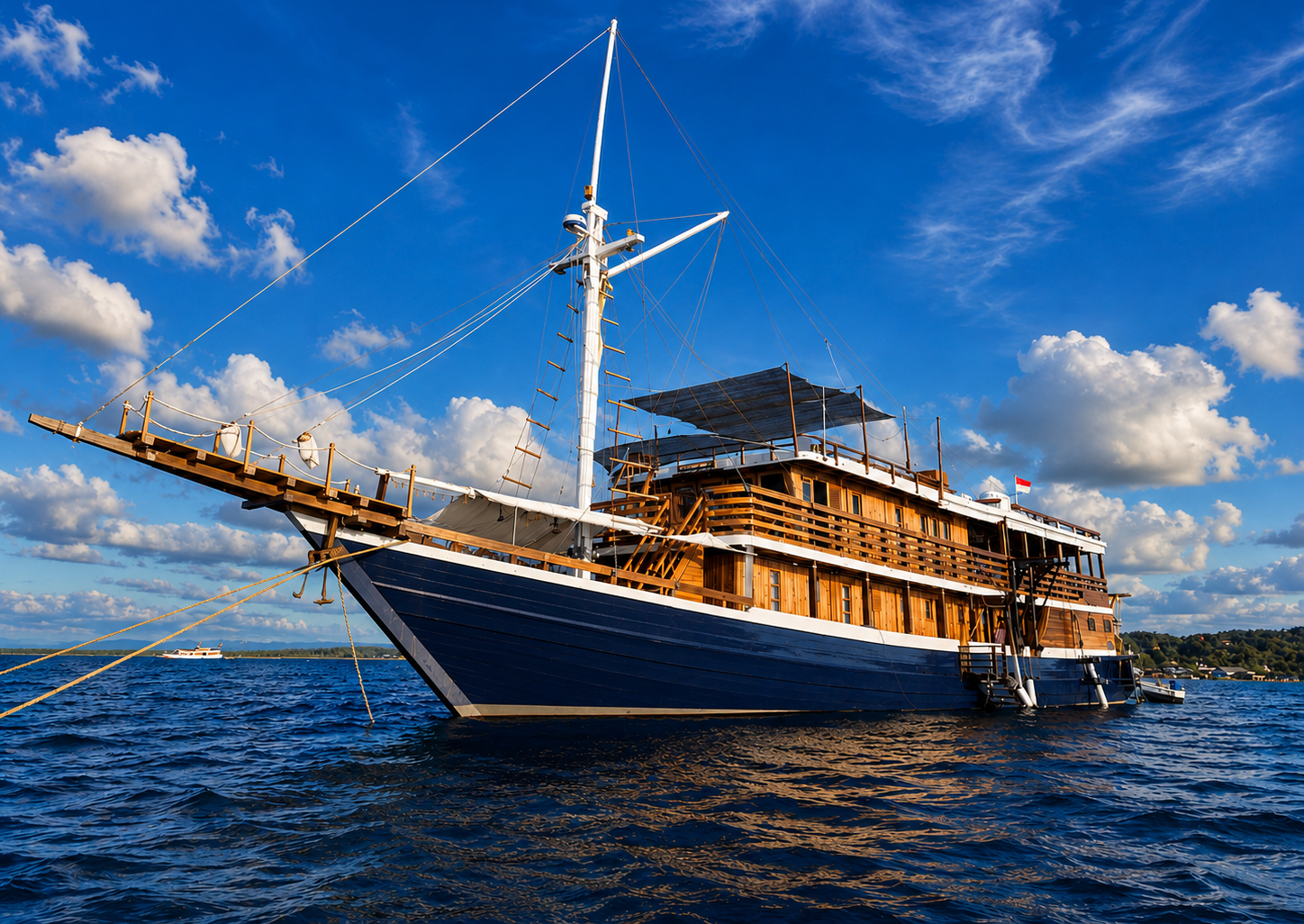
Mari
30m · 7 cabins · 14 guests · 14 crew
Built by the boatbuilders of South Sulawesi, Mari is a 30m traditional Indonesian phinisi liveaboard designed for scuba diving andexploration.
She carries up to 14 guests in seven sea-view ensuite cabins, all on the main deck, combining the character of a wooden sailing boat with the all the amenities that a diver would need to unwind between dives.
Book your Mari Liveaboard trip
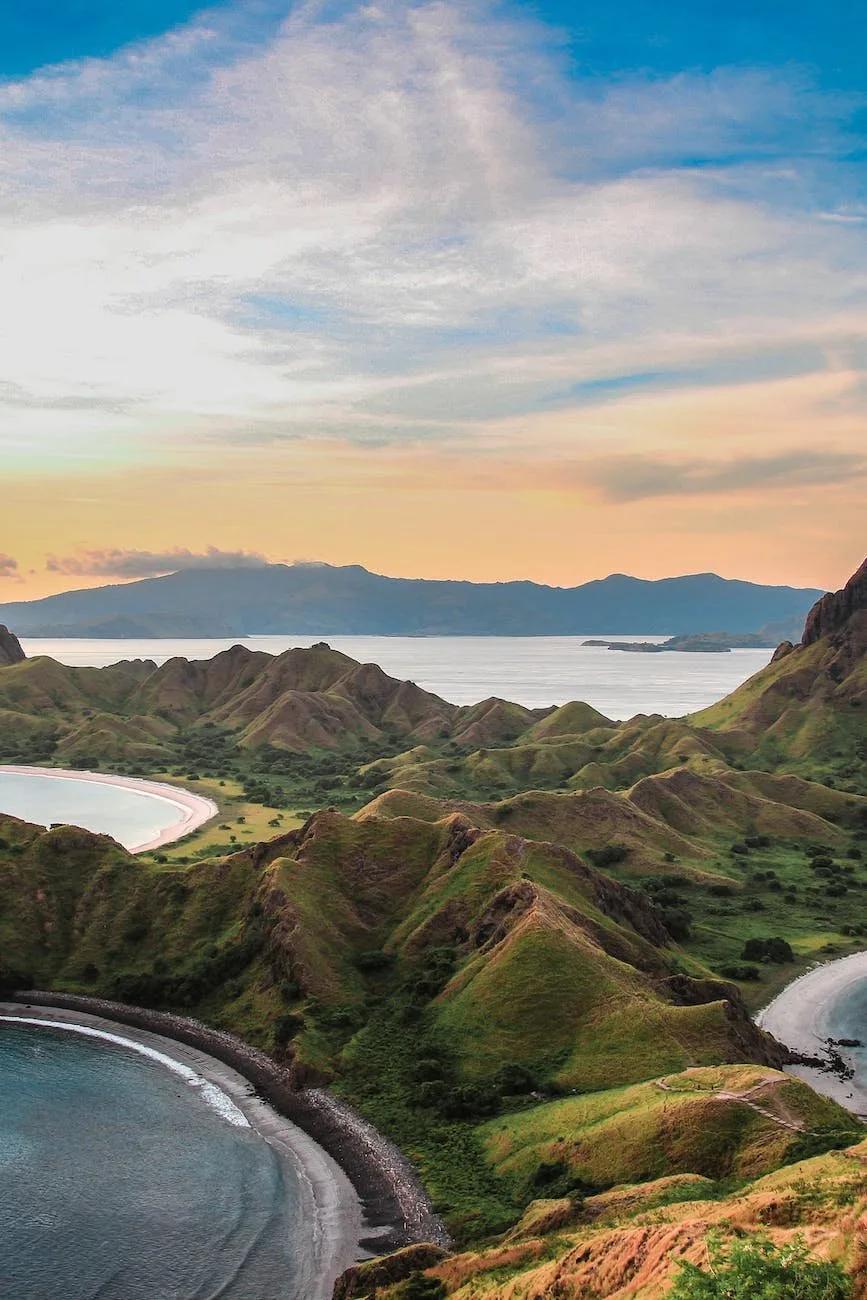
Book a private charter
Charter Mari for a private liveaboard shaped around your group. Sail with up to 14 guests and enjoy the flexibility to plan a route that suits the way you want to dive.
Join a shared diving trip
Join a scheduled Mari departure and dive Indonesia's defining regions alongside fellow dive enthusiasts.
Our journal
Triton Bay articles & news
More blog posts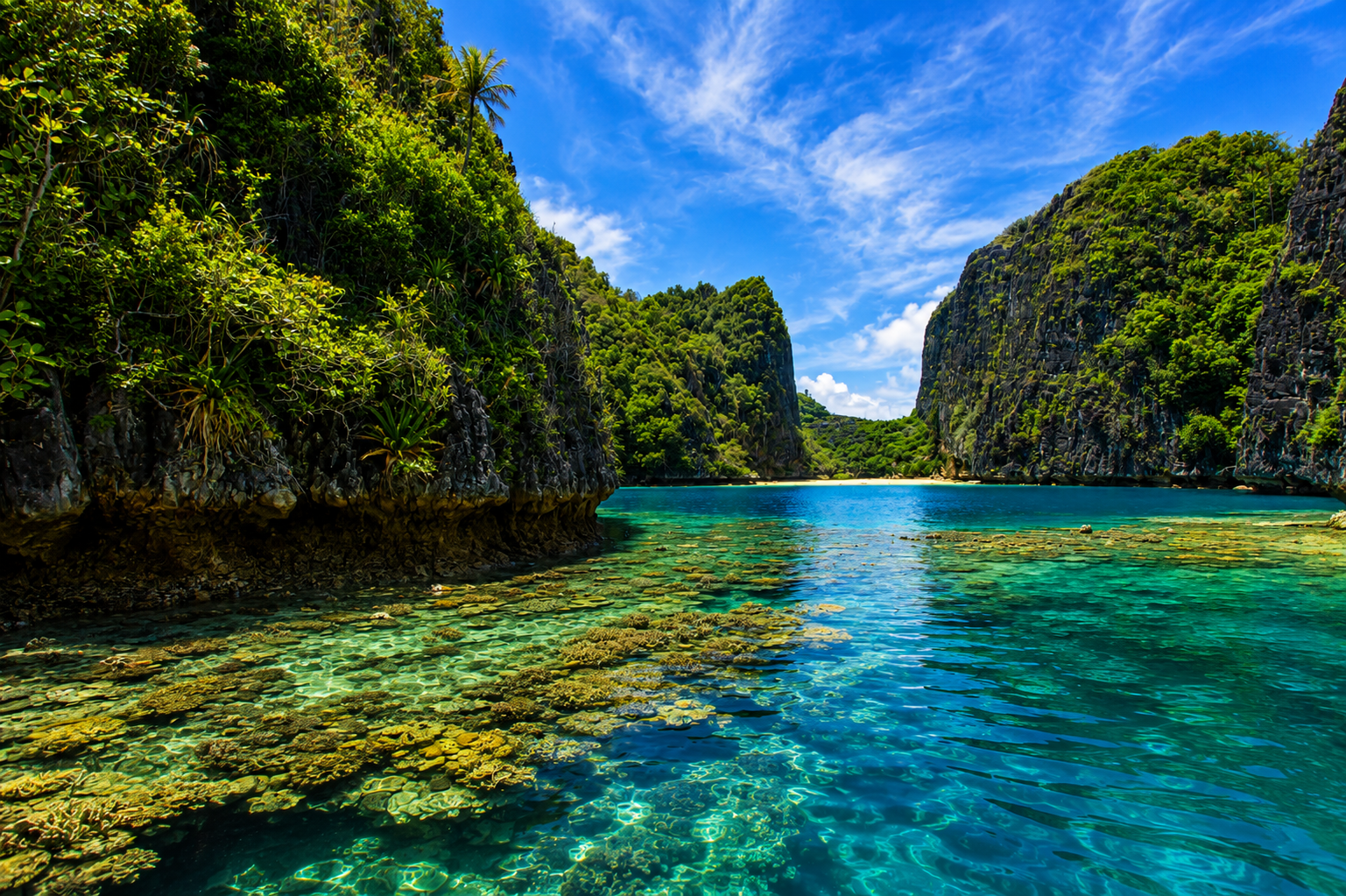
Contact us
Talk to us
Whether you are comparing destinations, checking a departure, planning a private charter or simply want to know more about Mari, our team is here to help.