A guide to diving in Komodo
Published ByMari LiveaboardKomodo
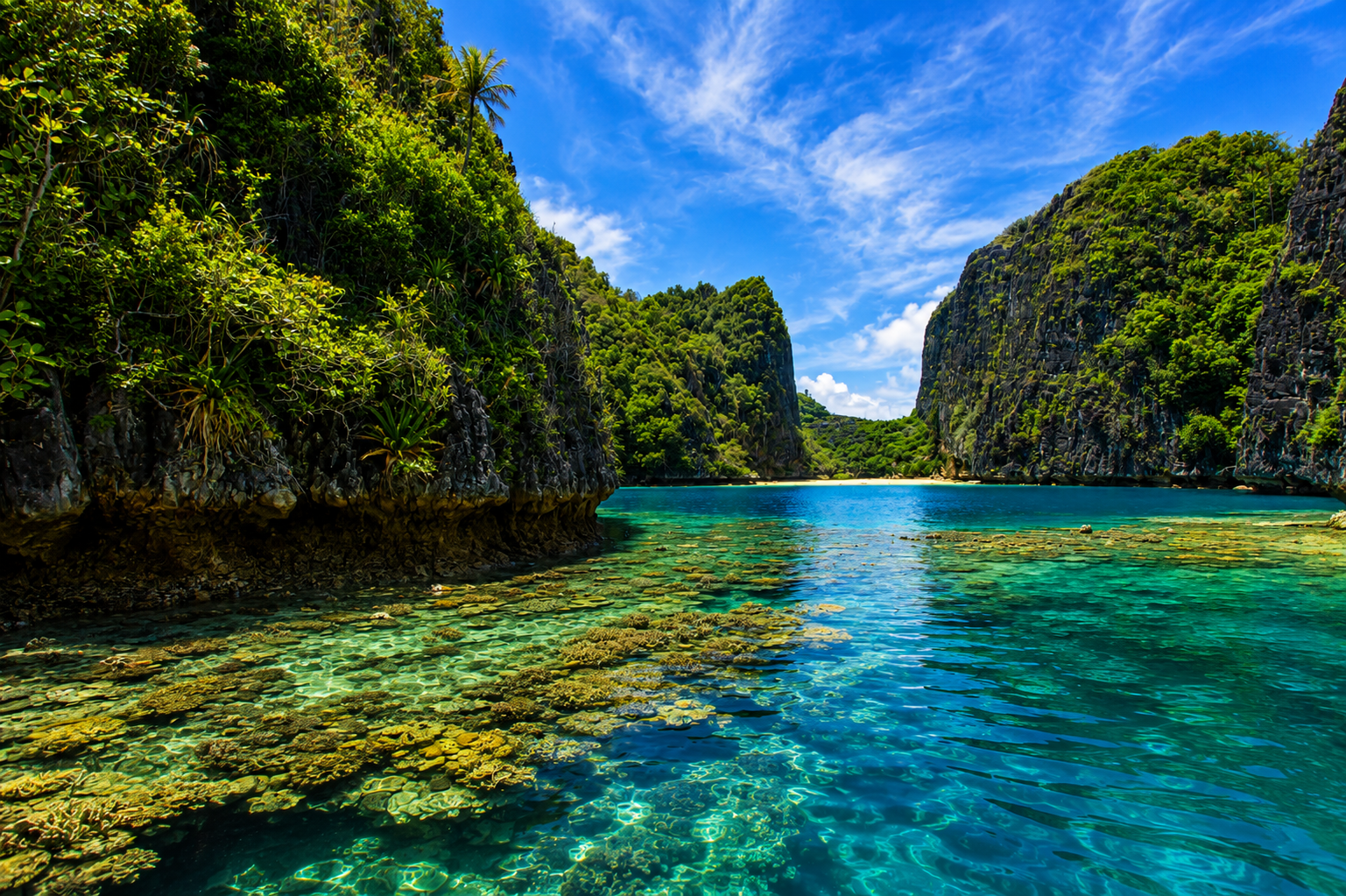
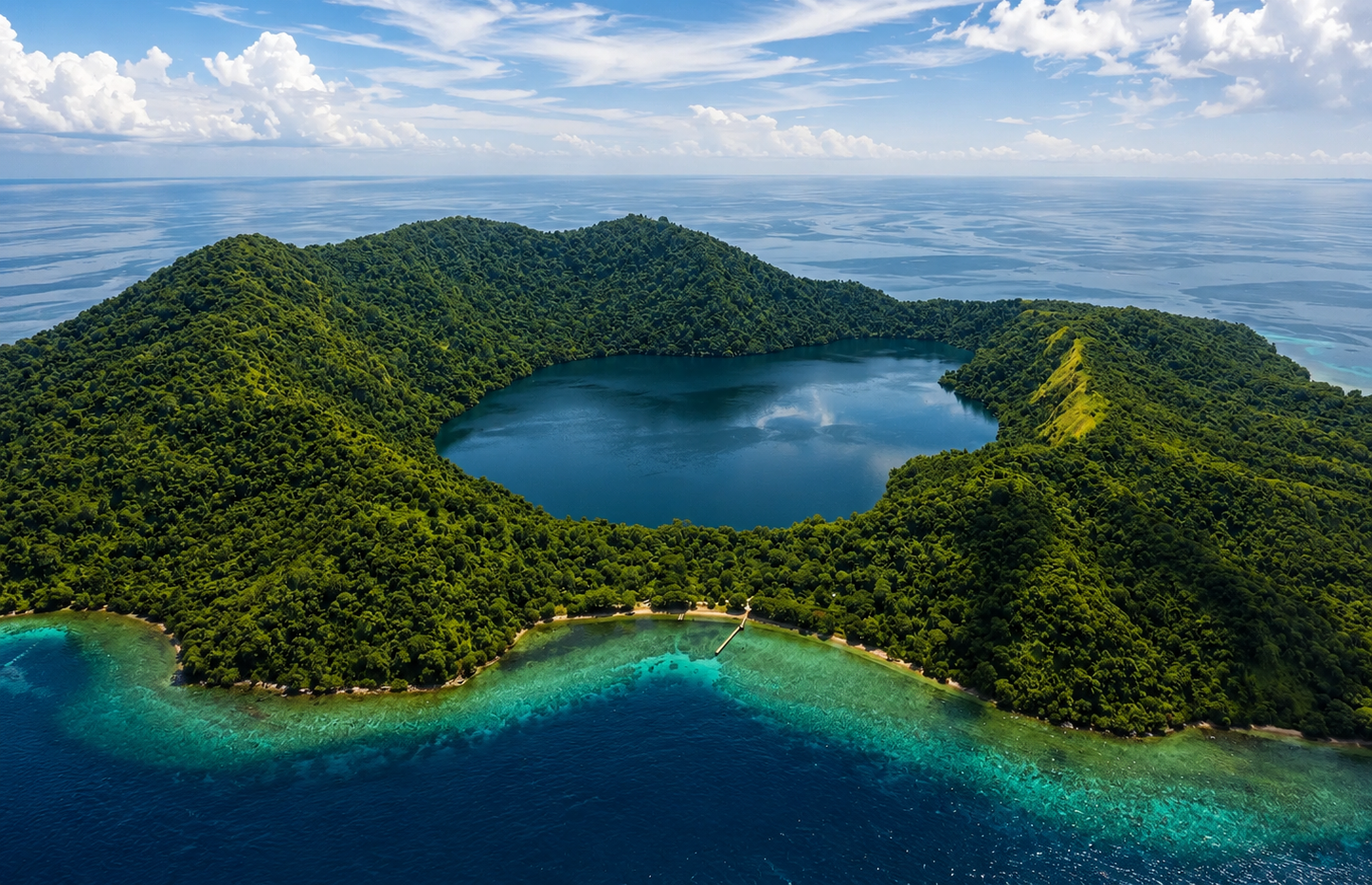
Spread across an archipelago of volcanic islands, Komodo offers remarkable variety within one national park. Divers can move from current-swept pinnacles and pelagic action in North Komodo to Central Komodo's coral gardens and manta cleaning stations, then into the cooler, nutrient-rich waters of the south.
These different environments are connected by powerful tidal flows. The currents carry nutrients through Komodo National Park, feeding coral reefs, clouds of schooling fish and the larger animals that follow them. They also shape each dive, making good timing, flexible planning and experienced guides essential.
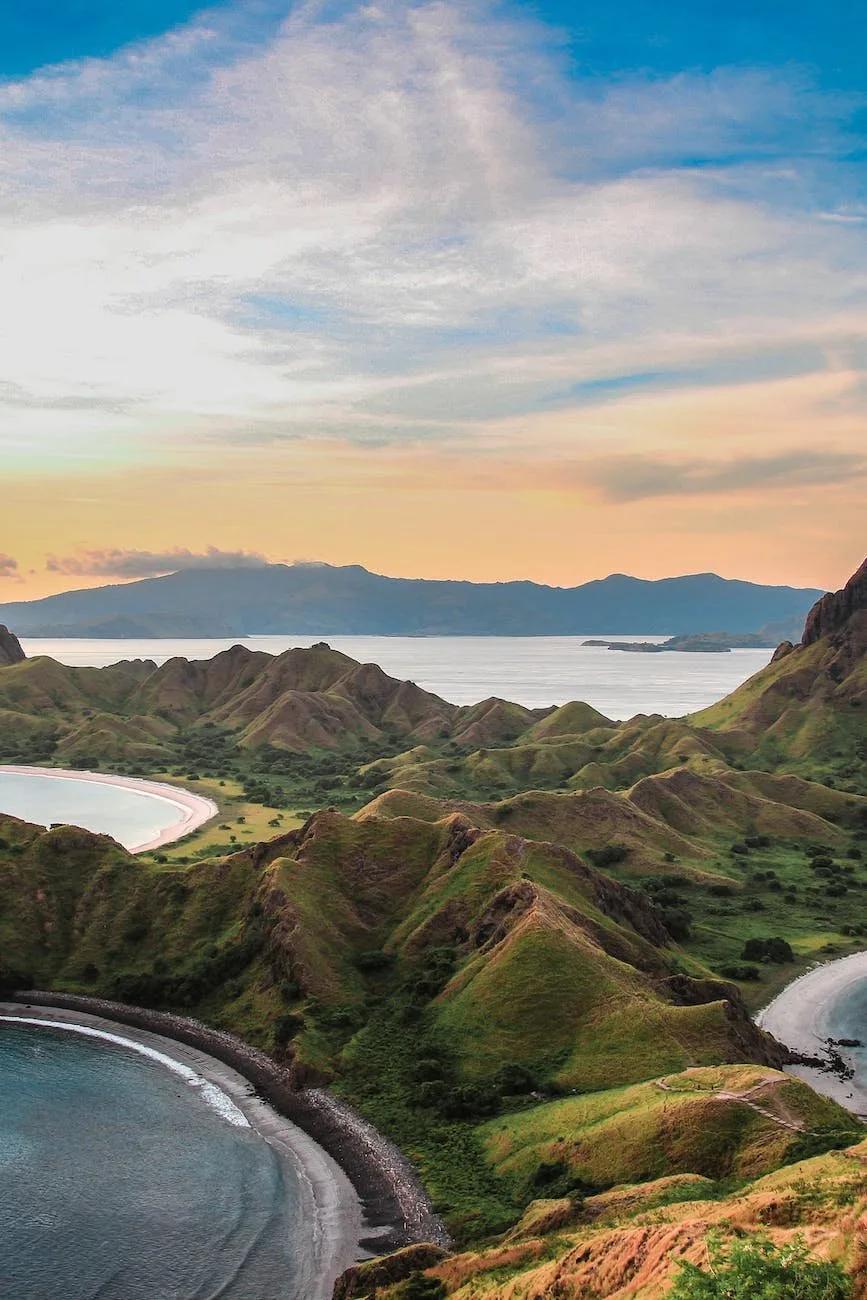
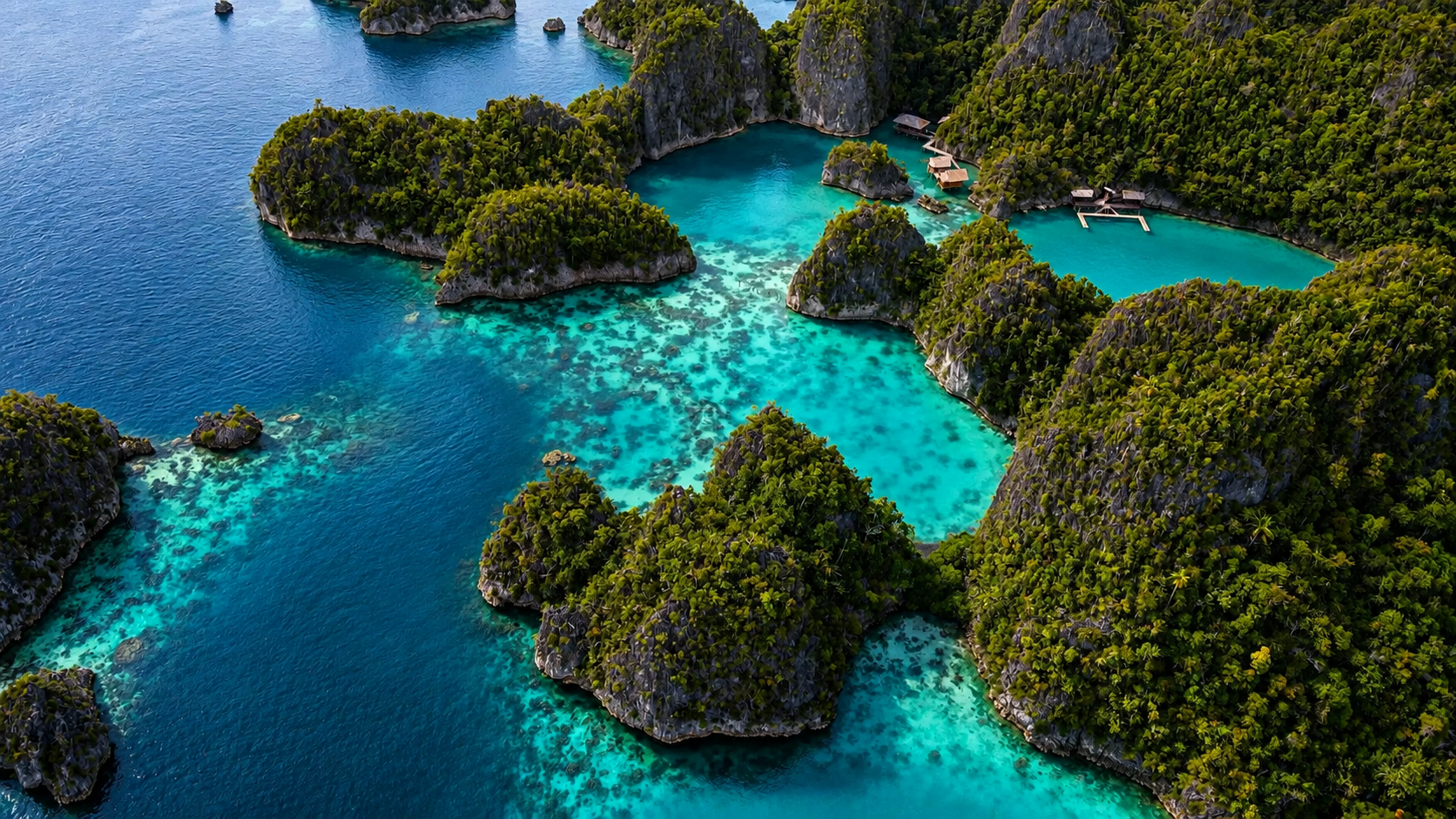
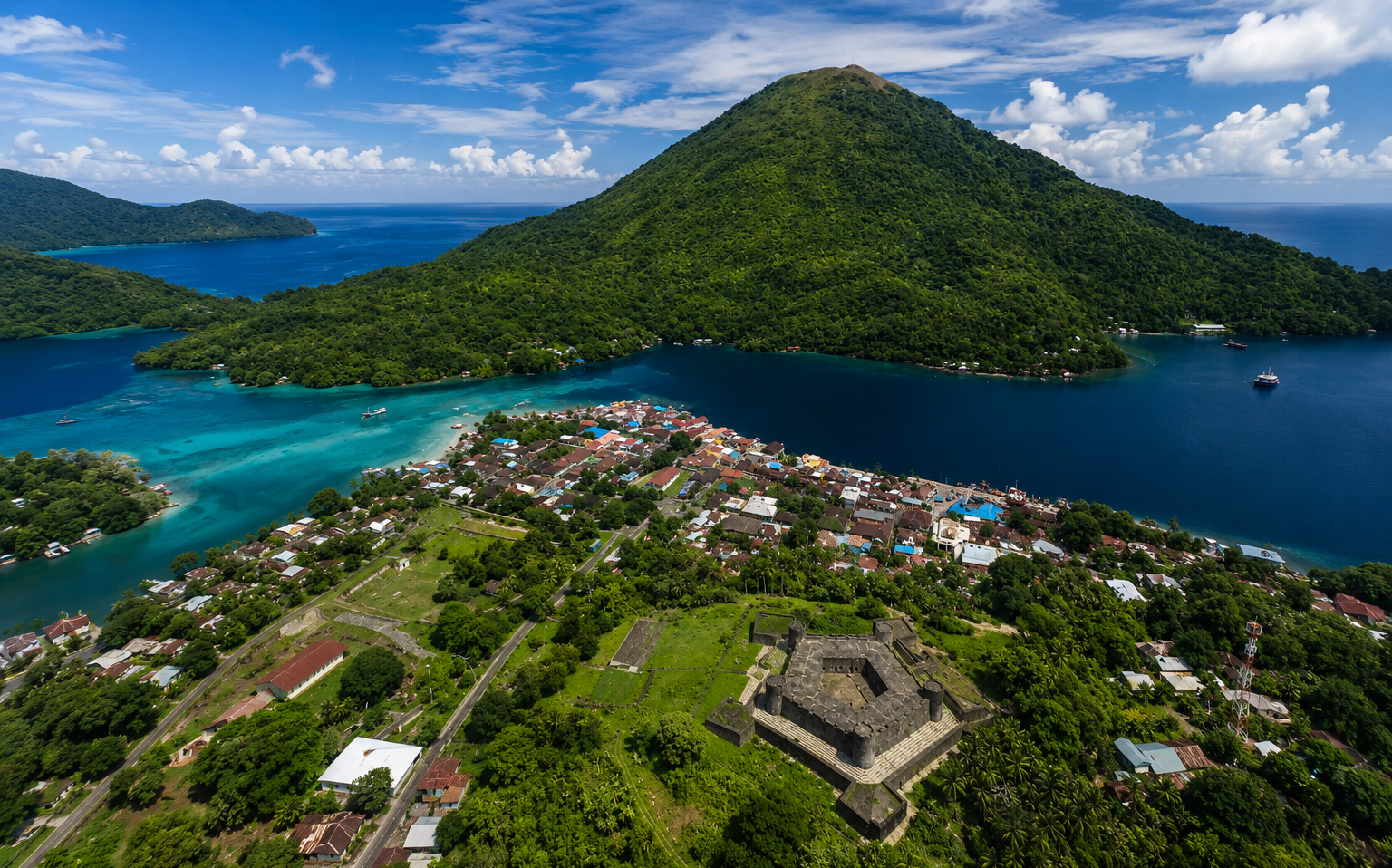
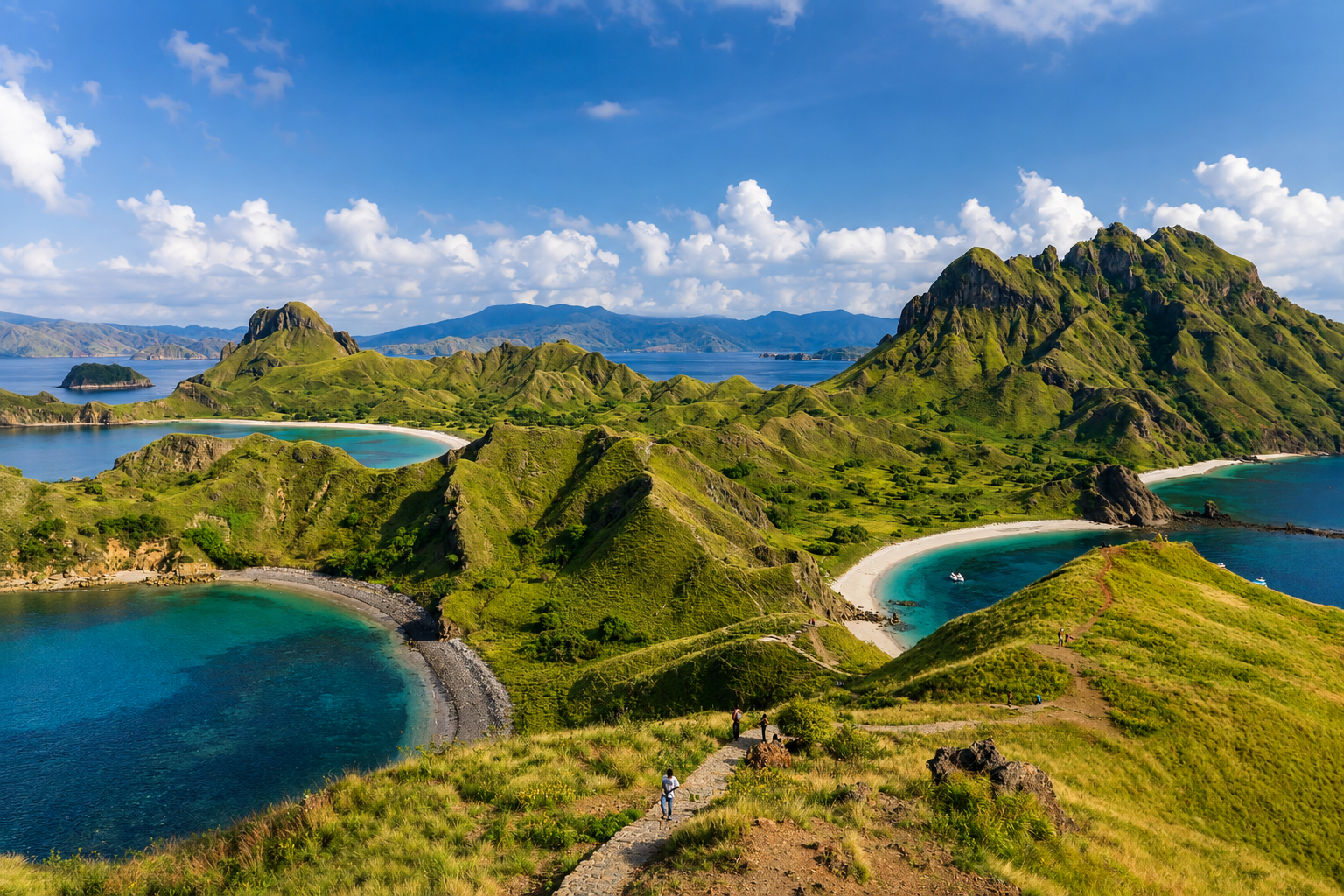
Above water, Komodo's dry ridges, pink beaches and ranger-guided dragon walks give the journey a strong sense of place. It is a destination where the landscapes are as memorable as the dives.
What makes Komodo diving different?
Komodo National Park lies in East Nusa Tenggara and includes Komodo, Rinca and Padar islands alongside many smaller islands and reefs. It is a UNESCO World Heritage Site, a marine protected area and part of the Coral Triangle.
Its location between warm northern seas and the cooler Indian Ocean creates striking changes in water temperature, visibility and reef character across a relatively compact area. One liveaboard journey can include blue-water pinnacles, shallow drifts, coral-covered slopes, manta cleaning stations, sheltered bays and southern reefs rich in soft coral and small marine life.
That variety is part of Komodo's appeal. The park does not offer the same kind of diving every day, and it should not. Each region reveals a different side of the destination.
Marine life in Komodo
Komodo's moving water supports life at every scale. Mantas and reef sharks share the park with tuna, trevally, barracuda, turtles and dense schools of reef fish, while patient searches reveal a smaller world among the corals.
Mantas and other rays
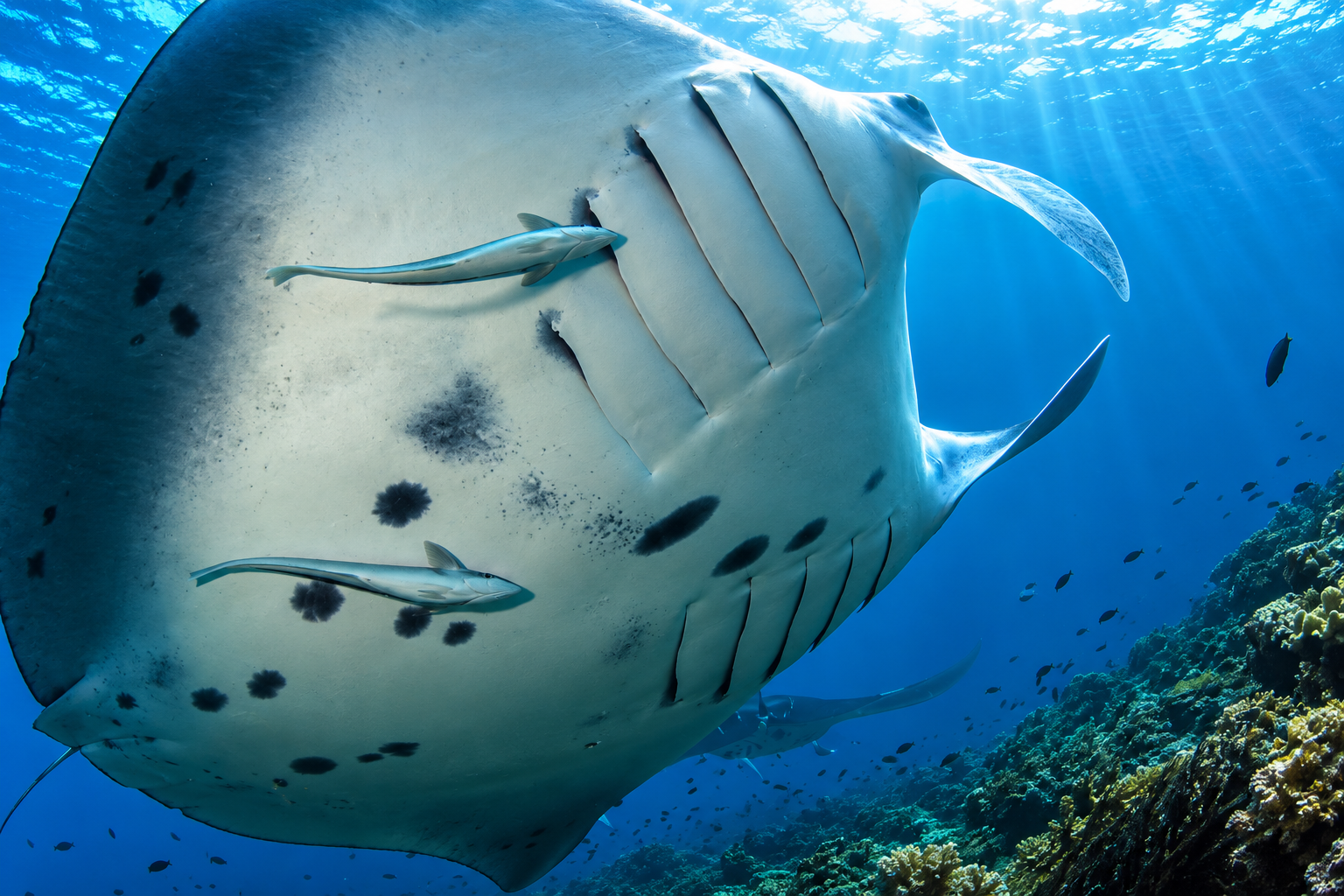
Both reef and oceanic manta rays can be found year-round in the park, particularly around cleaning stations at Makassar Reef and Manta Alley. With some luck, divers may also encounter eagle rays and mobula rays gliding along reef edges or through current-swept channels.
Reef sharks and pelagics
Whitetip reef sharks and grey reef sharks patrol Komodo's reefs, especially where the current concentrates fish. Out in the blue, dogtooth tuna, giant trevally and barracuda bring speed and scale to the scene. Napoleon wrasse and bumphead parrotfish are among the park's larger reef residents.
These animals are part of a wider ecosystem rather than isolated headline encounters. A passing shark or hunting trevally often appears against a backdrop of fusiliers and other schooling fish.
Schooling fish and colorful reefs
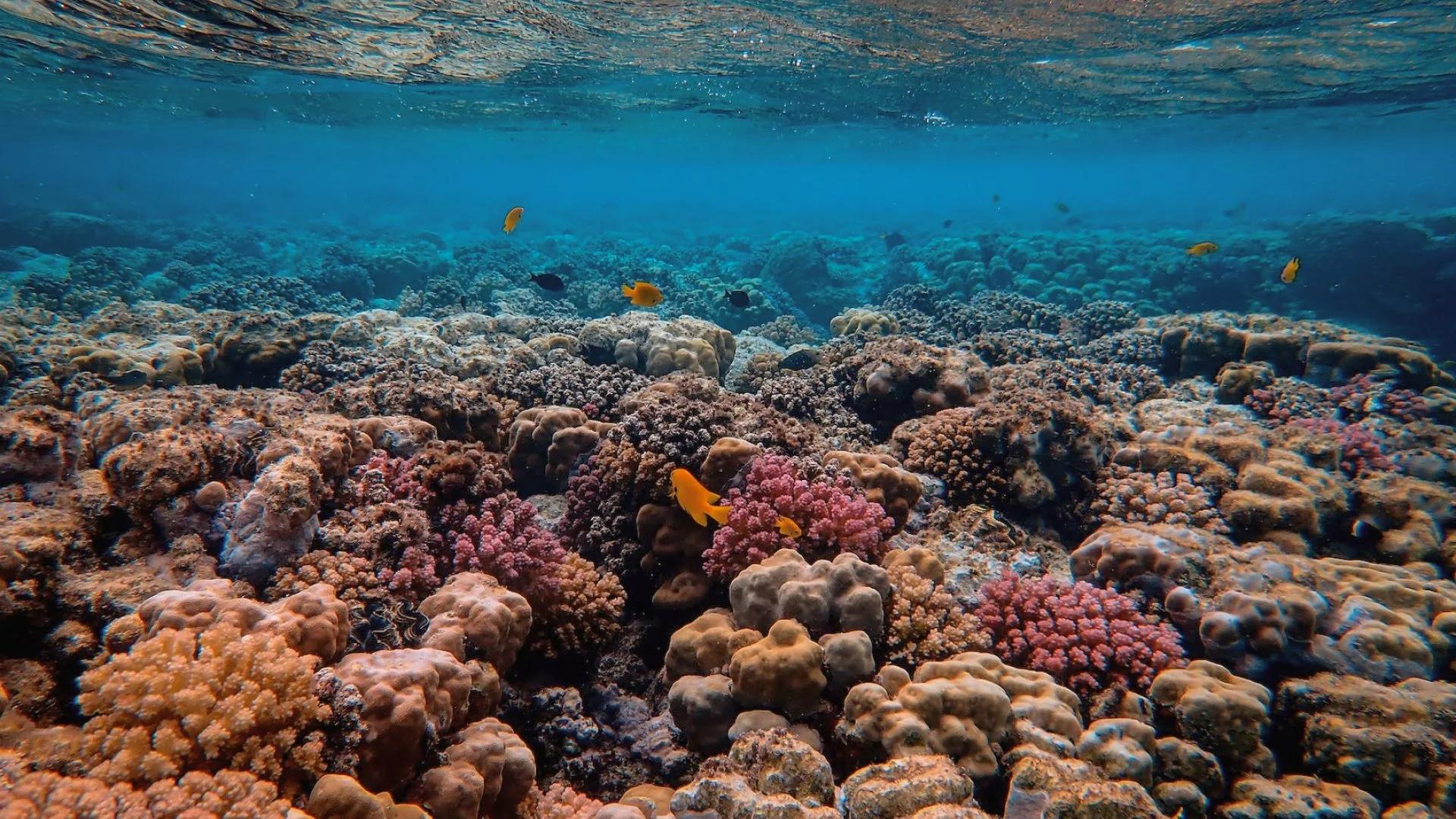
Some of Komodo's most memorable dives are defined by abundance. Fusiliers, snappers and surgeonfish gather around pinnacles and reef points, while anthias and other small fish flicker above dense coral growth.
The scenery changes as the route moves through the park. Northern and central reefs can combine clear water with hard corals and busy fish life. In the south, nutrient-rich water supports soft corals, sea fans and colorful invertebrate life. Sites such as Batu Bolong, Castle Rock, Crystal Rock, Tatawa Besar, Cannibal Rock and Yellow Wall of Texas offer examples of this range, with the daily choice guided by tide and conditions.
Turtles
Green and hawksbill turtles are found across Komodo. They may appear over coral slopes, around pinnacles or on more sheltered central reefs, adding a quiet counterpoint to the park's faster, current-driven dives.
Macro life in South Komodo
Komodo is best known for mantas, current and abundant reefs, but the south adds a rewarding smaller scale. Around Horseshoe Bay, sites such as Cannibal Rock and Yellow Wall of Texas combine soft coral and invertebrate life with opportunities to find frogfish, pygmy seahorses, ghost pipefish, nudibranchs, cuttlefish and scorpionfish.
Central Komodo can also reward a slower search, particularly around sandy patches, rubble and coral bommies at sites such as Wainilu and Siaba Besar. Flamboyant cuttlefish and other rare or well-camouflaged subjects are possible finds, although never a checklist.
Komodo dive regions
North Komodo
North Komodo is known for warm water, clear visibility, steep pinnacles and exhilarating pelagic action. Water temperatures are commonly around 27°C to 29°C (81°F to 84°F), with visibility often reaching 25m to 40m (82ft to 131ft).
Castle Rock and Crystal Rock are signature northern sites, while The Cauldron channels tidal water between two islands. Strong current is common, so entries and routes are planned around the tide. When the timing comes together, the north delivers the fast-moving, fish-filled scenes for which Komodo is famous.
Central Komodo
Central Komodo offers the widest variety of dive styles. Temperatures are typically around 26°C to 28°C (79°F to 82°F), with visibility often between 20m and 30m (66ft to 98ft). There are exposed reefs and brisk drifts, but also sheltered slopes and bays.
Batu Bolong rises from deep water beneath a small rocky outcrop, its protected sides covered in coral and reef fish. Makassar Reef is a shallow drift through manta habitat, while Tatawa Besar offers a long coral slope. Siaba Besar and Wainilu bring a gentler pace, with turtles, coral bommies and smaller marine life.
Central Komodo often acts as the bridge between the park's extremes. A day here can move from manta country to a coral drift, then finish with a quiet sunset or night dive.
South Komodo
South Komodo feels distinctly different. Water temperatures are commonly 22°C to 24°C (72°F to 75°F) and can fall to about 21°C (70°F) in July and August. Visibility is often 6m to 15m (20ft to 49ft), giving the reefs a greener, more atmospheric character.
Cannibal Rock, Yellow Wall of Texas and other sites around Horseshoe Bay reveal soft corals, sea fans and intricate invertebrate life. Manta Alley adds a southern manta cleaning area, while schooling fish and larger predators keep the experience connected to Komodo's wider marine ecosystem.
Komodo diving conditions at a glance
| Region | Typical temperature | Typical visibility | Character |
|---|---|---|---|
| North Komodo | 27°C to 29°C (81°F to 84°F) | 25m to 40m (82ft to 131ft) | Clearer water, pinnacles, **strong current** and pelagic fish |
| Central Komodo | 26°C to 28°C (79°F to 82°F) | 20m to 30m (66ft to 98ft) | Drifts, coral gardens, manta habitat and sheltered sites |
| South Komodo | 22°C to 24°C (72°F to 75°F) | 6m to 15m (20ft to 49ft) | Cooler, nutrient-rich water, soft coral and macro life |
Conditions can change with the tide and moon phase. A site that works beautifully in the morning may require a different plan several hours later, so the Captain and Cruise Director adapt the route to the sea rather than forcing a fixed schedule.
What are the skill requirements to dive Komodo?
Komodo rewards divers who are comfortable in current, have solid buoyancy and can follow a guide closely during negative entries and drift dives. Divers should also know how to deploy an SMB or DSMB. Advanced Open Water is recommended at destination level because it gives divers access to more of the park's signature sites and profiles.
Mari requires Open Water certification and at least 60 logged dives for Komodo trips. Recent experience matters as much as the number in a logbook, particularly if most previous dives took place in calm, protected water.
While many of Komodo's best-known sites suit more experienced divers, the park also has sheltered reefs that may be appropriate for less experienced guests when conditions allow. If you have concerns about currents or recent experience, let Mari know before booking so the team can discuss suitability and possible arrangements.
When is the best time to dive Komodo?
For Mari guests, the relevant Komodo sailing window is April through September. This is when Mari's dedicated Komodo journey and its longer Komodo and Sumbawa crossings are scheduled.
May is the clearest choice for divers who want a dedicated full-park itinerary. Mari's 8-day, 7-night Komodo Full Park route is scheduled in May and is designed to connect North, Central and South Komodo with Banta Island when conditions allow.
From April through September, the Best of Komodo & Whale Sharks crossings combine Komodo with destinations farther west in Sumbawa. The exact Komodo coverage depends on the direction and duration of the departure, so choose the route by the journey you want rather than by month alone.
Komodo liveaboard itineraries
Mari's 8-day, 7-night Komodo Full Park itinerary begins and ends in Labuan Bajo. The sample route brings together northern pinnacles, central coral reefs and manta habitat, southern soft-coral sites and Banta Island. It is the most focused option for experiencing the park's regional contrasts within one journey.
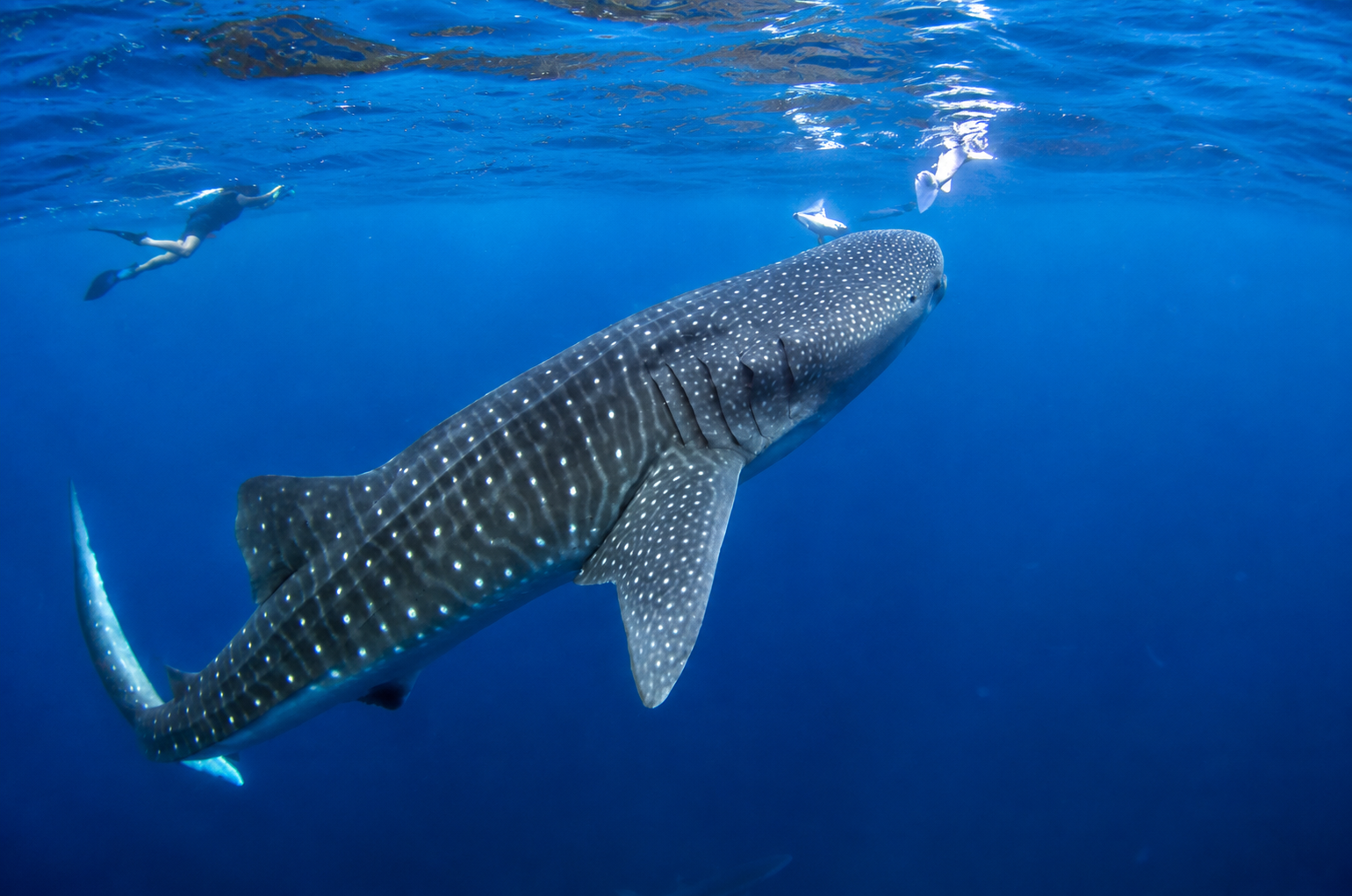
The 9-night and 11-night Best of Komodo & Whale Sharks itineraries travel between Labuan Bajo and Badas in Sumbawa Besar. Alongside Komodo and Banta Island, these crossings can include the volcanic reefs of Sangeang, Satonda, whale shark sessions around traditional bagans in Teluk Saleh and Moyo Island. The longer 11-night routes include South Komodo, while the 9-night route continues west after exploring central and northern areas.
Each itinerary is a sample outline. The Captain and Cruise Director choose the final order of dives and activities according to weather, tides, park requirements and the experience of the group.
What happens above water in Komodo?
A Komodo liveaboard is not only about diving. Ranger-guided walks offer the chance to see Komodo dragons in the wild, with guests following the ranger's instructions throughout the visit.
Padar Island adds a climb to a viewpoint over three crescent bays, scheduled for sunrise or sunset at the Cruise Director's discretion. Pink Beach brings another distinctive Komodo landscape, where red coral fragments give the sand its blush-colored appearance. These moments break up the dive days and connect the underwater journey to the islands above.
Practical planning for a Komodo liveaboard
- Arrival: Labuan Bajo is the main embarkation point for Komodo. Leave a comfortable buffer around domestic flights rather than arriving at the last possible moment.
- Exposure protection: A 3mm full suit may suit many divers in North and Central Komodo. A 5mm suit is a practical choice for itineraries that include the cooler south, with an additional vest or layer for cold-sensitive divers.
- Safety equipment: Carry an SMB or DSMB and know how to deploy it. Follow each briefing for entries, current direction and pickup procedures.
- Current skills: Refresh buoyancy and drift-diving skills before the trip if your recent diving has been limited to calm water.
- Wildlife expectations: Mantas, sharks, dolphins, whale sharks and Komodo dragons are wild animals. Every encounter depends on nature and conditions.
Frequently asked questions about Komodo diving
Is Komodo suitable for beginner divers?
Komodo has some sheltered reefs, but many signature dives involve strong or changing current. Mari requires Open Water certification and at least 60 logged dives. Contact the team before booking if you are unsure whether your recent experience is suitable.
Are manta rays present in Komodo year-round?
Yes. Both reef and oceanic manta rays are found in Komodo throughout the year, including around cleaning stations at Makassar Reef and Manta Alley. The number of mantas seen on any dive varies with natural conditions.
What wetsuit should I bring for Komodo?
A 3mm full suit may be comfortable in North and Central Komodo. A 5mm suit is the more versatile choice for a route that includes South Komodo, where temperatures can be considerably cooler.
How many days do you need for a Komodo liveaboard?
An 8-day, 7-night route can show the contrasts between North, Central and South Komodo when conditions allow. Longer 9-night and 11-night crossings add destinations across Sumbawa, creating a broader journey rather than simply adding more days inside the park.
Can a Komodo itinerary guarantee specific dive sites?
No. Current, weather, park requirements and diver safety determine which sites can be used each day. A flexible plan allows the crew to choose the best available diving for the conditions.
Is Komodo the right liveaboard destination for you?
Choose Komodo if you want variety, abundant marine life and diving shaped by the tide. Its most memorable journeys move between pelagic action, coral-covered reefs, southern soft corals and volcanic island landscapes, with each region adding a different chapter.
Explore Mari's Schedule & Rates to compare current departures, route lengths and experience requirements.