Best liveaboard destinations in Indonesia: which destination is right for you?
Published ByMari LiveaboardRaja AmpatTriton BayKomodoBanda SeaSumbawa
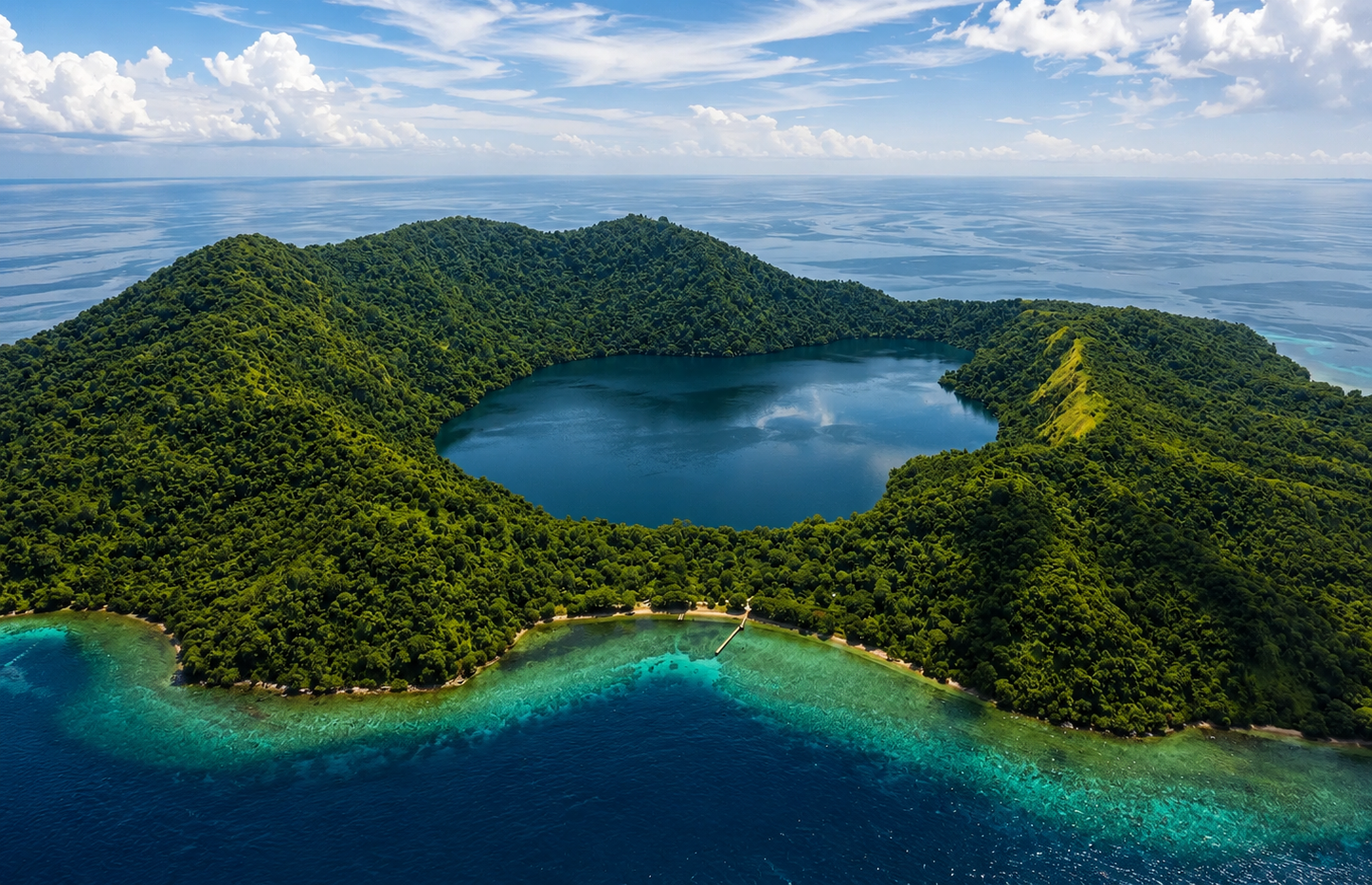
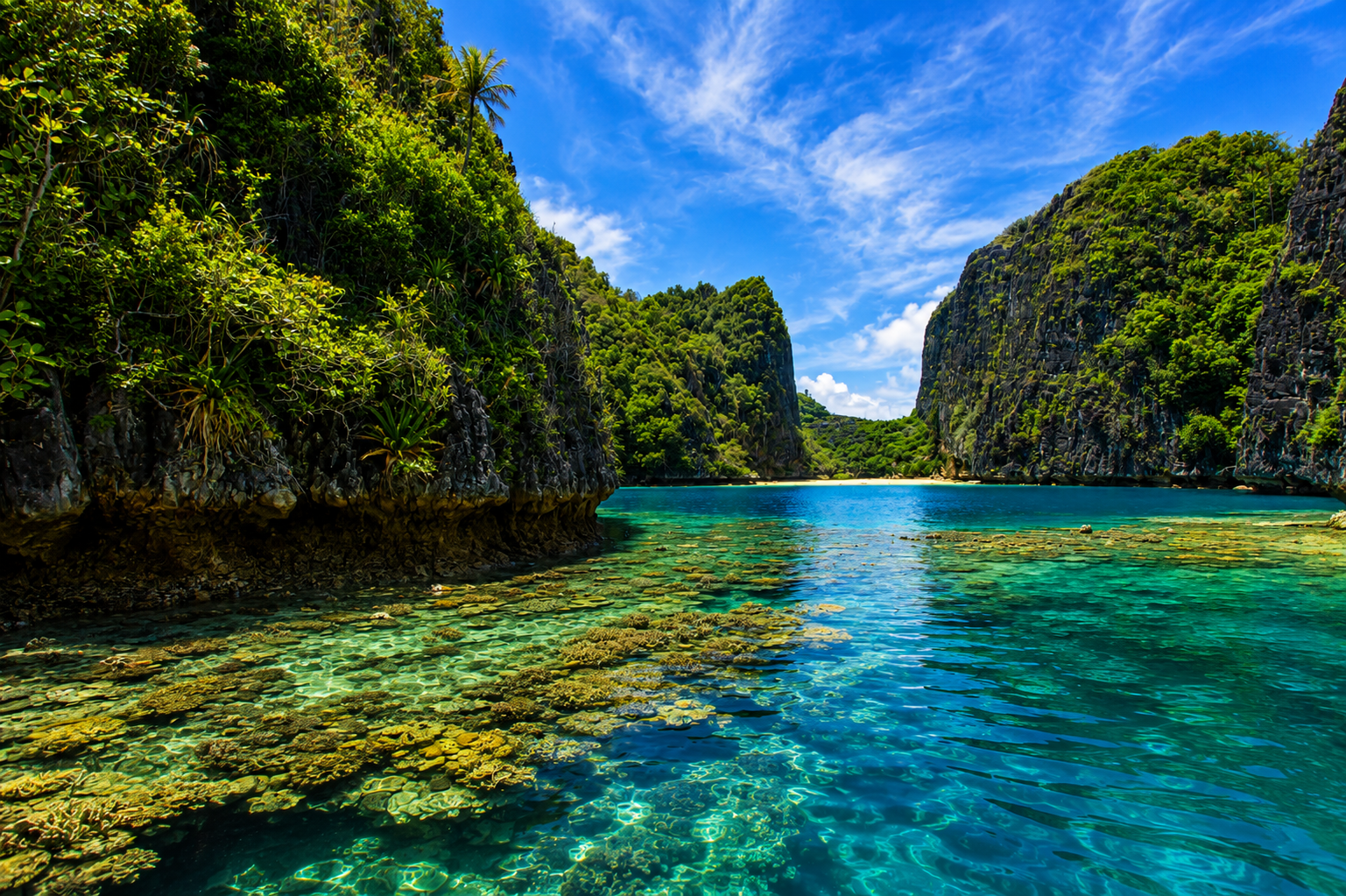
Indonesia is not one liveaboard destination. Its diving regions stretch across a vast archipelago, and each makes a different case for going to sea.
Raja Ampat is the one many divers hold up as the holy grail: a reef system at the apex of the Coral Triangle, dense with life from the shallows down. Triton Bay brings plankton-rich water, exceptional soft corals and whale sharks around traditional bagans at Namatote (also known as Namatota).
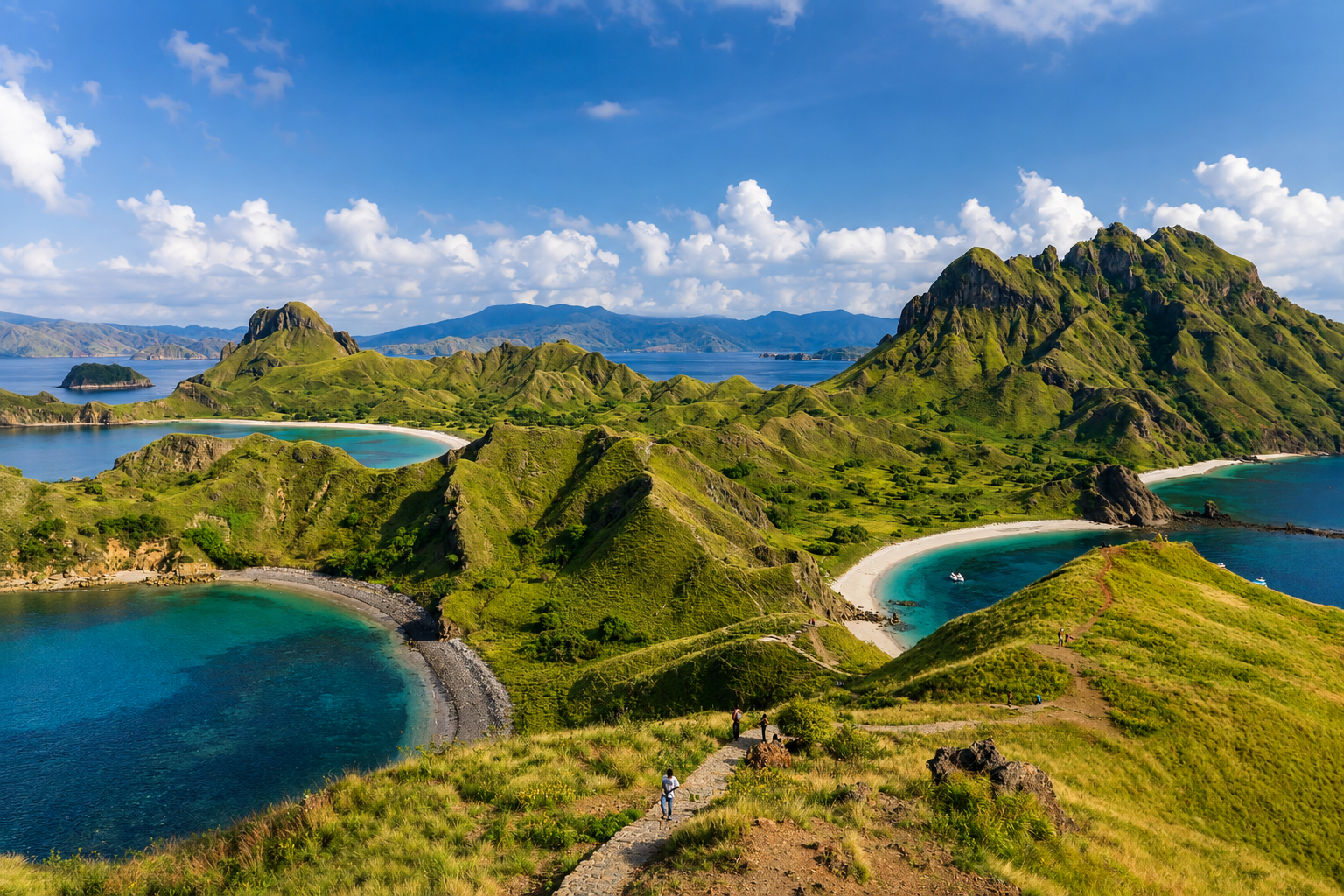
Komodo brings current, volcanic islands, mantas and the chance to walk among Komodo dragons.
The Banda Sea is a longer, seasonal route through the historic Spice Islands. Sumbawa is the natural bridge between Komodo and whale shark country.
There is no universal winner. The right trip depends on the diving you enjoy, your experience, the month you can travel and how much the route itself matters to you.
Compare Indonesia's liveaboard diving destinations
| Destination | Best for |
|---|---|
| Raja Ampat | Coral reefs, biodiversity, wide-angle and macro photography; Season: year-round, though South Raja Ampat closes June to September. |
| Triton Bay | Soft corals, whale sharks, macro life and quieter reefs; Season: Mari routes span October to April, always combined with Raja Ampat or the Banda Sea. |
| Komodo | Best for: current-fed reefs, manta rays, macro life and volcanic island landscapes; Season: May to September. |
| Banda Sea | Best for: the historic Spice Islands, remote blue water and seasonal hammerhead potential; Season: September to November, 12 nights. |
| Sumbawa | Best for: Teluk Saleh whale shark season and a natural Komodo combination route; Season: combined with Komodo, whale sharks May to September. |
Marine life, visibility and sea conditions are seasonal and site-specific. A liveaboard can reach the right part of a region, but it cannot promise a particular encounter.
Raja Ampat for one-of a kind marine biodiversity
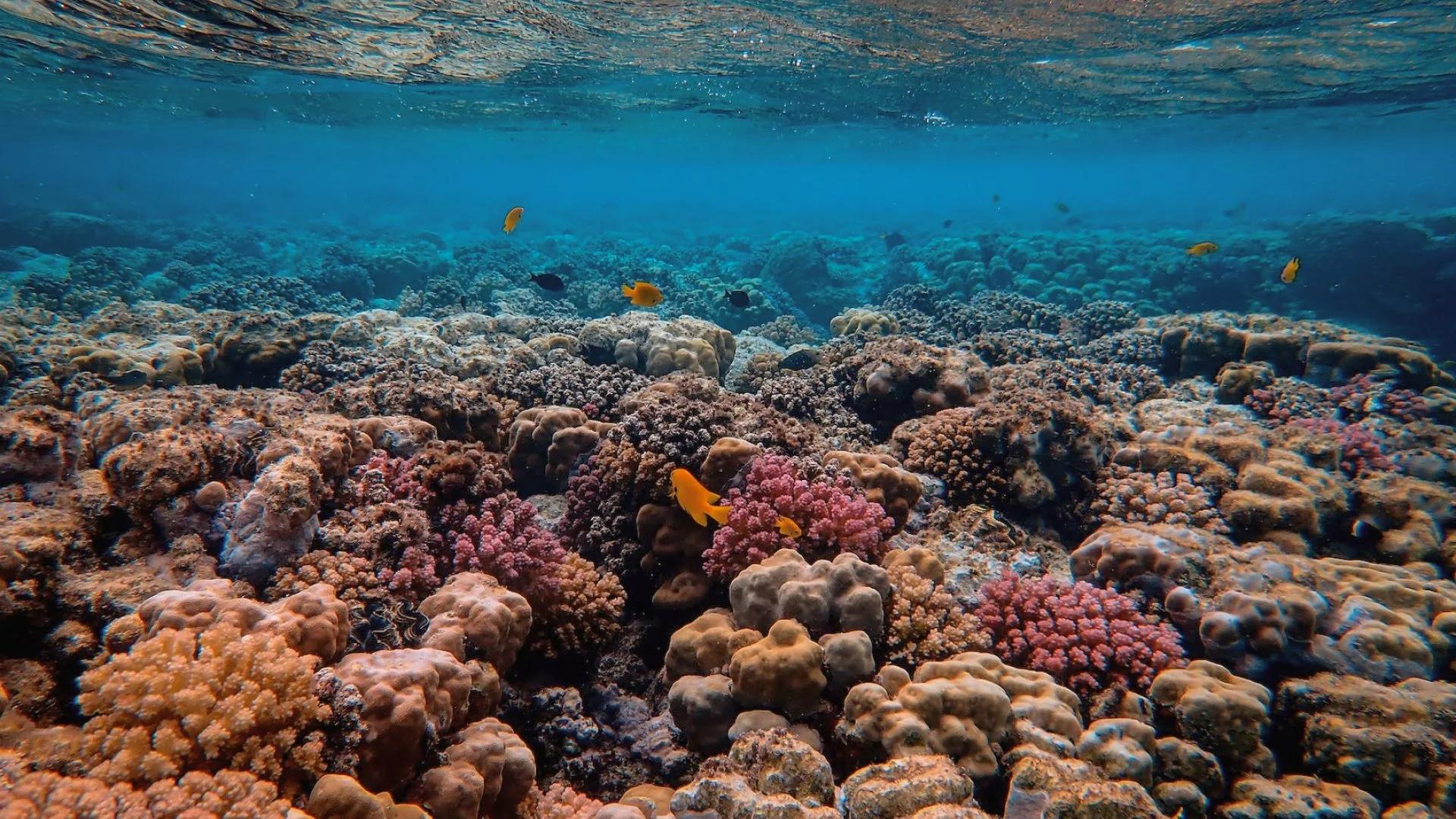
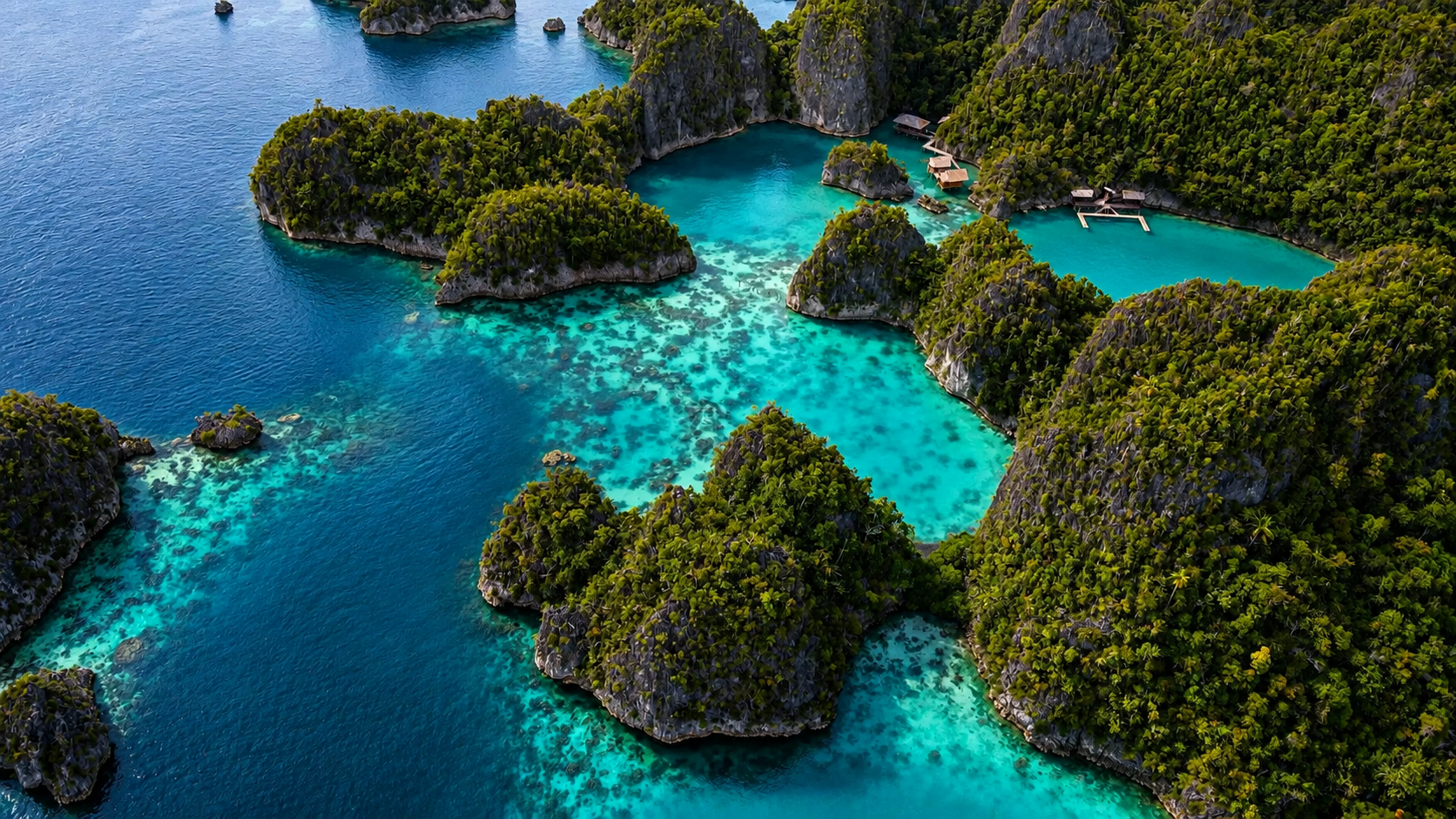
Raja Ampat sits off the northwest tip of West Papua, where Waigeo, Batanta, Salawati and Misool anchor an archipelago of more than 1,500 islands. It is widely regarded as the most biodiverse marine environment on earth, with more than 1,600 species of reef fish and over 600 coral species documented in the region.
This is the heart of its appeal: coral gardens, sea fans, current-fed points and small subjects are not separate attractions. They are part of the same unusually dense reef system.
The water is warm year-round, generally 27°C to 31°C (81°F to 88°F). A 3mm full suit is enough for many divers, though cold-sensitive divers may prefer more protection. There are gentle sites as well as exposed current sites, so Raja Ampat rewards both good planning and a willingness to let the conditions shape the day.
Mari sails Raja Ampat year-round for 7 to 12 nights. South Raja Ampat closes from June to September, while North Raja Ampat remains available. Choose it when the reef itself is the reason for the trip.
Triton Bay for soft corals, whale sharks and quieter reefs
Triton Bay sits on the southwest coast of West Papua within the wider Bird’s Head Seascape, but it has a different character from Raja Ampat.
Plankton-rich water can hold visibility to around 10 to 15m (33 to 49ft), yet the same nutrient load supports some of Indonesia’s most developed soft coral growth. Wobbegong sharks, pygmy seahorses, ghost pipefish and nudibranchs give macro photographers as much reason to visit as the shallow coral gardens offer wide-angle shooters.
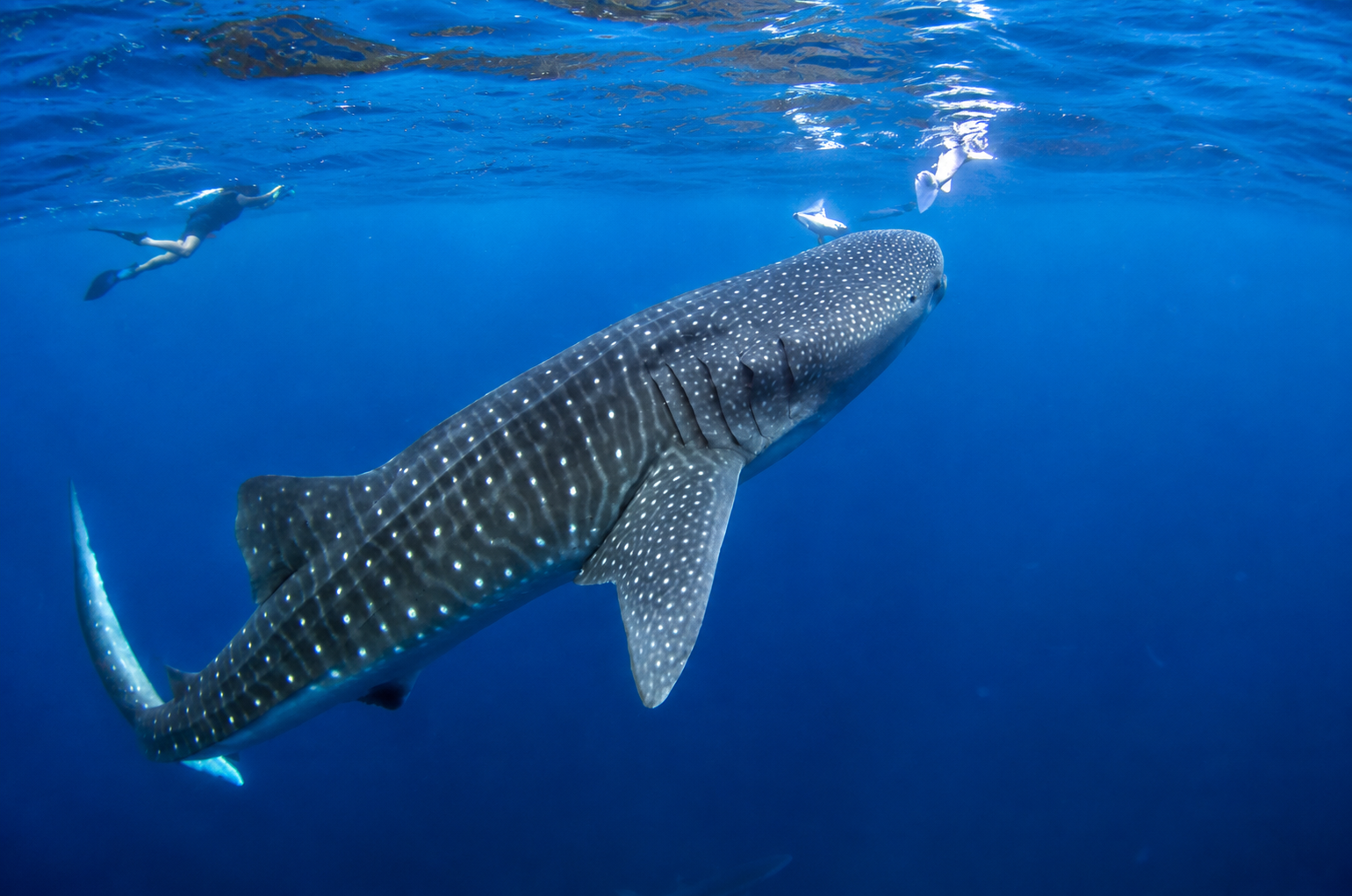
At Namatote, whale sharks gather beneath traditional bagan fishing platforms when baitfish are present, with encounters conducted by snorkeling or diving depending on positioning and depth.
Ancient rock art on the island’s limestone cliffs gives the route a topside dimension that is unusual even among Indonesia’s remote dive regions.
Mari combines Triton Bay with either Misool in Raja Ampat or the Banda Sea on 12-night itineraries. Its current Triton Bay routes span October to April. Choose it when soft coral, unusual marine life and fewer boats matter more than high visibility or a standalone destination.
Komodo for current, mantas and raw island landscapes
Komodo National Park sits where the Indian Ocean, Banda Sea and Flores Sea meet. That water movement gives the diving its edge.
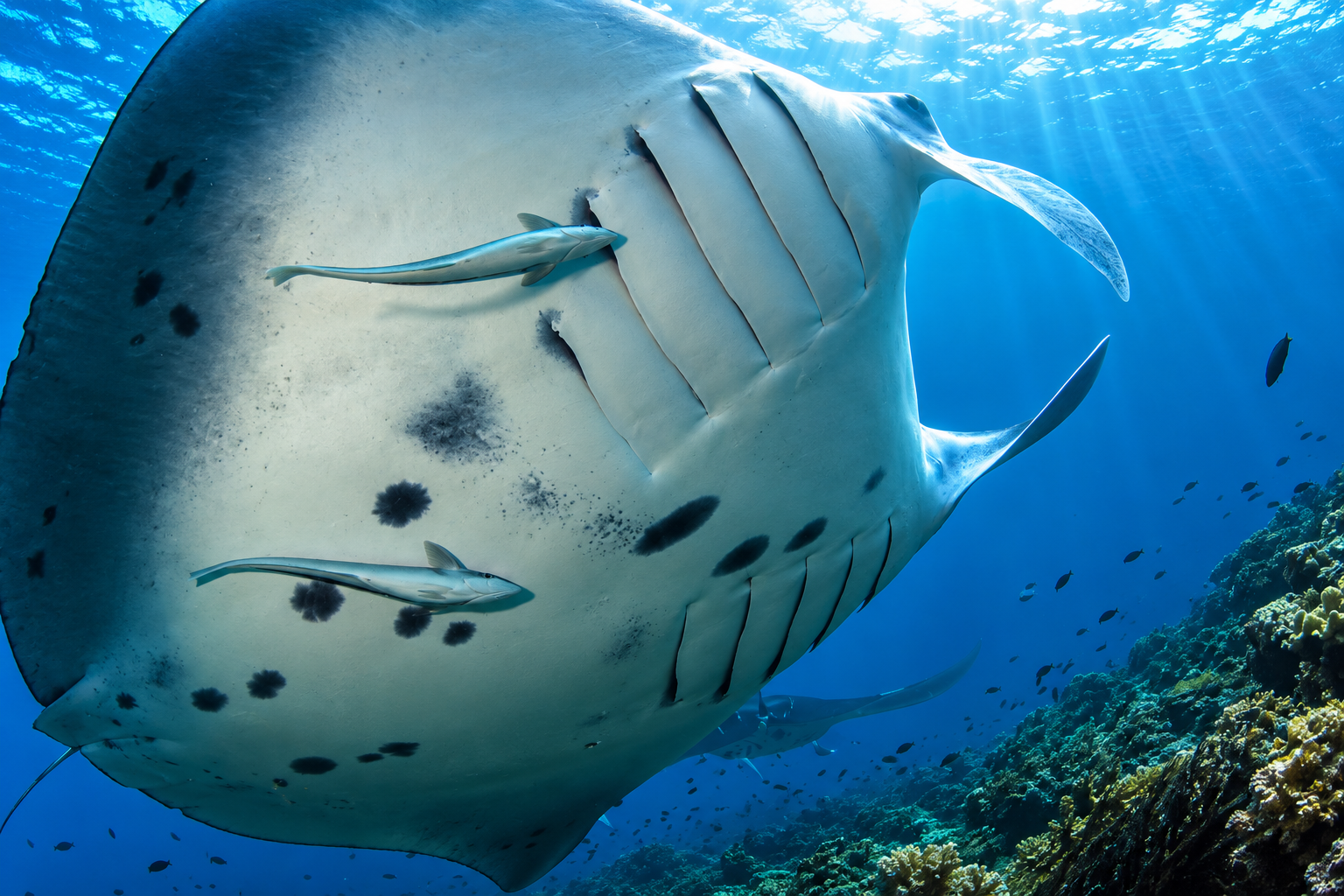
Drift dives across current-fed reefs can bring dense fish life, while sheltered sites, pinnacles and cooler southern water keep the week varied. Manta rays, reef sharks, schooling fish and macro life all belong in the picture, but none should be treated as guaranteed.
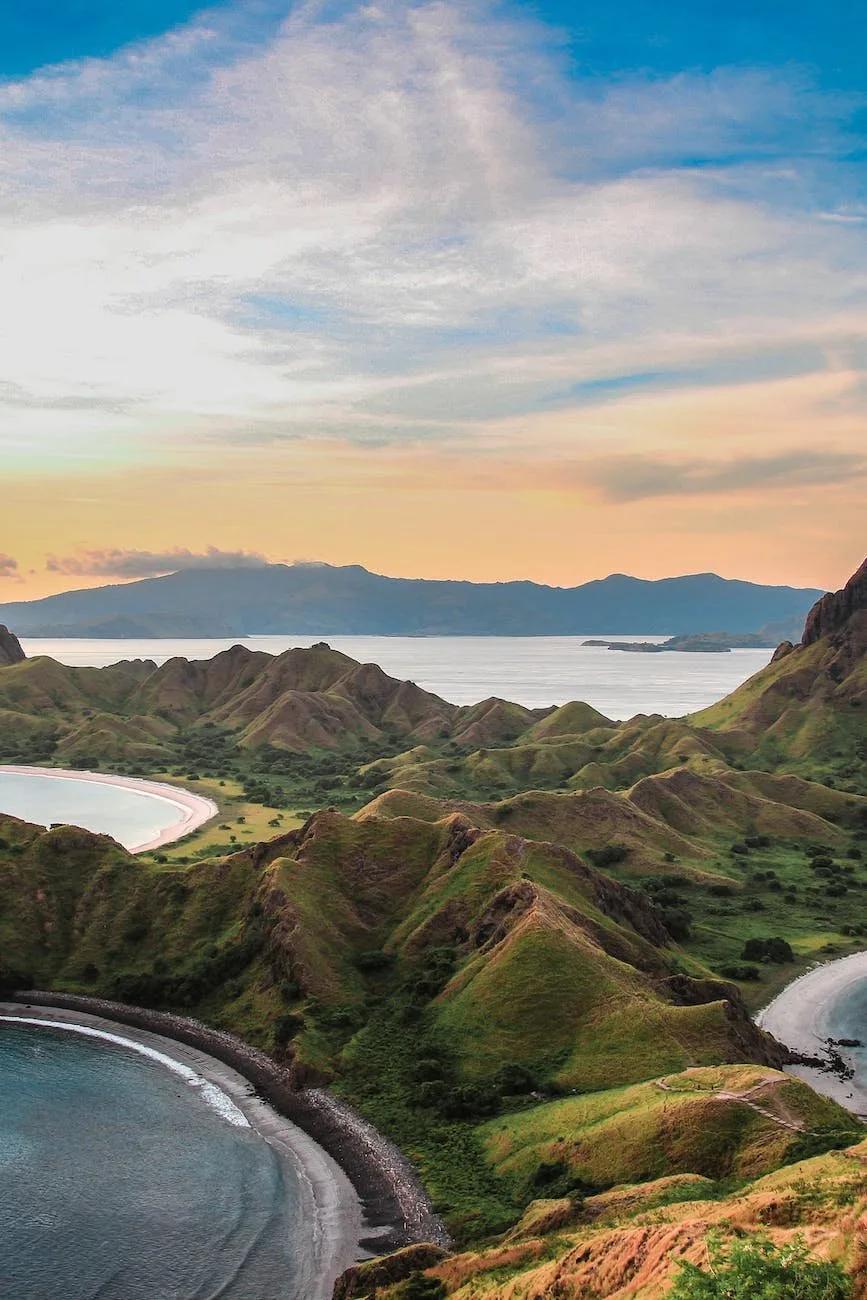
Above the surface, Komodo is just as distinct. Dry volcanic ridges, beaches and the Komodo dragon give a liveaboard route a physical, almost prehistoric sense of place.
Mari’s Sumbawa and Komodo itineraries include a ranger-guided dragon trek, while the exact routing remains subject to conditions and park requirements.
Mari sails Komodo from May through September. These trips require Open Water certification and at least 60 logged dives, the strictest minimum of any Mari destination. Be comfortable with changing conditions, carry an SMB or DSMB and follow every briefing closely.
The Banda Sea for hammerheads and the historic Spice Islands
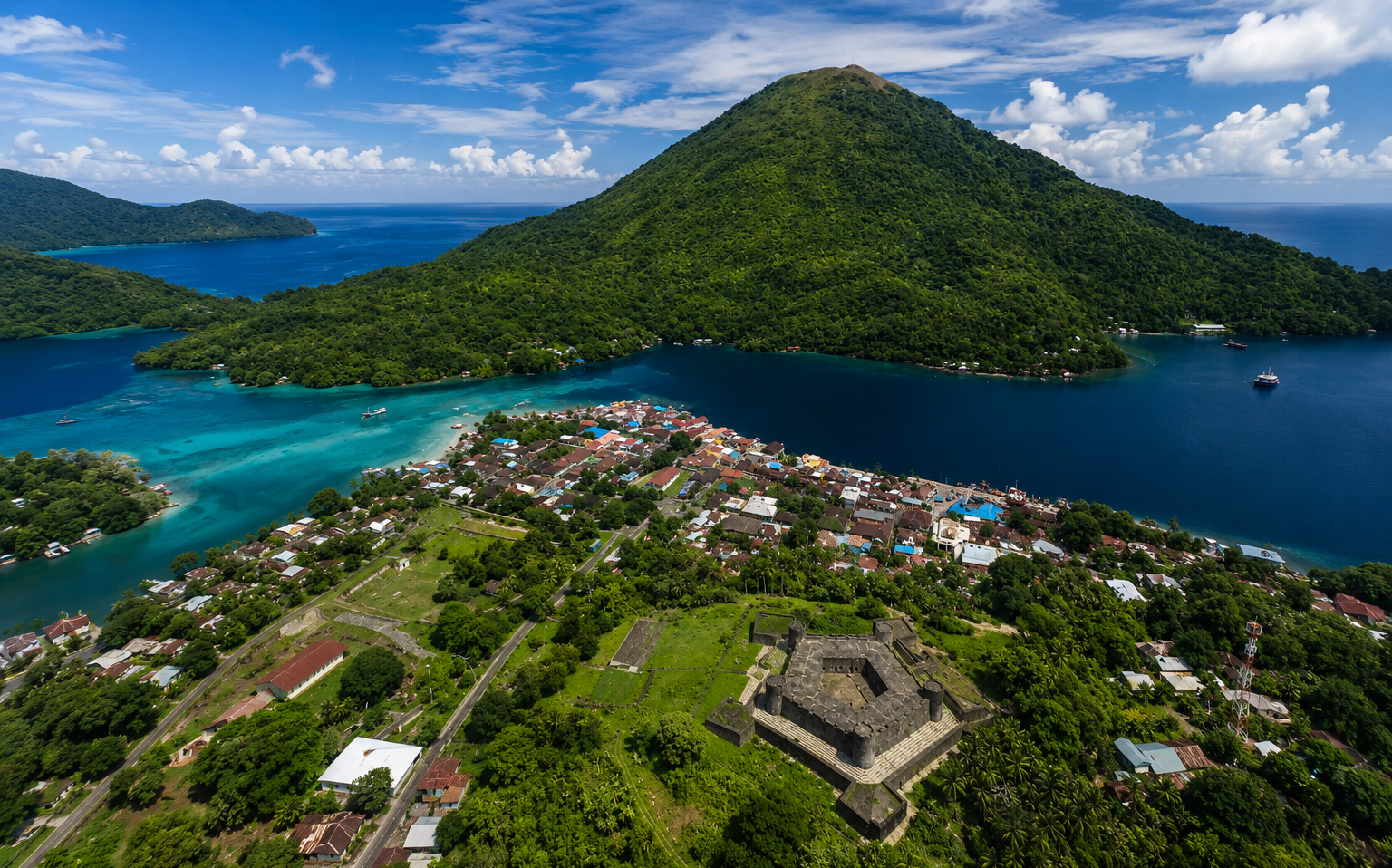
The Banda Sea is less of a short getaway and more of a passage. Mari’s departures run from September to November and last at least 12 nights, leaving space for the distances between volcanic islands, deep walls and the historic Banda Islands. It is a route for divers who like a quieter horizon and who see the long crossings as part of the point.
The Banda Islands were once central to the spice trade, and the region’s history gives the voyage a topside dimension that reef-only destinations do not have.
Underwater, seasonal upwellings can draw schooling hammerheads, especially in September through November, which you might encounter with some luck. Manuk Island is also known for sea snakes, while other areas bring clear water and open-ocean atmosphere.
Sumbawa for whale sharks and a natural Komodo crossing
Sumbawa is the easier geographic stop on a longer Komodo crossing, not necessarily an “easy” dive destination. Mari’s finalized 9- and 11-night routes run between Badas, Sumbawa Besar and Labuan Bajo, linking whale shark sessions in Teluk Saleh with Moyo, Satonda, Sangeang and Komodo National Park.
May to September is the prime Sumbawa whale shark season. The team searches around traditional bagan platforms in Teluk Saleh, with encounters conducted as snorkeling or diving depending on positioning and depth.
As with every wildlife interaction, sightings are not guaranteed. The route is compelling because it builds contrast: whale sharks, black-sand volcanic diving, waterfalls and crater lakes before the current-fed reefs of Komodo.
A simple way to decide
Choose Raja Ampat when you want the reef life, warm water and biodiversity to carry the trip. Choose Triton Bay for soft coral, whale sharks and quieter reefs. Choose Komodo for current, contrast and a route where the islands are as memorable as the diving. Choose the Banda Sea for a remote seasonal expedition through the Spice Islands. Choose a Sumbawa and Komodo crossing for a route that moves from whale shark country toward Komodo’s more powerful water movement.
Once you know the month you want to travel, compare the actual route, number of nights and experience requirements before deciding. View departures and rates.