

November–April7 nights
Raja Ampat – Best of Central & Dampier Strait
Sorong to Sorong
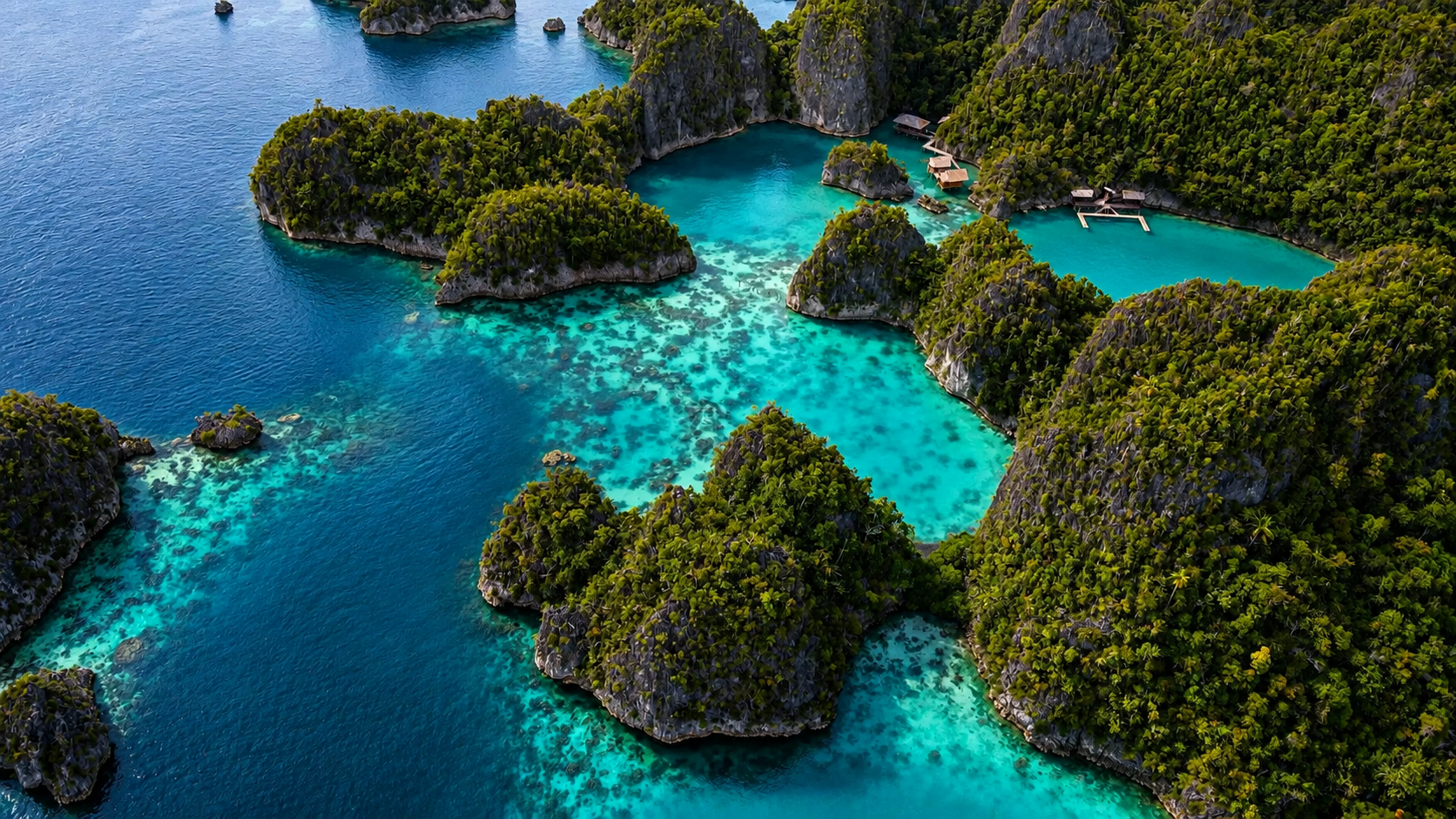
Dense coral, manta stations and karst islands.
Raja Ampat Liveaboard Indonesia Overview
Raja Ampat liveaboard diving brings together some of the world’s richest marine biodiversity: kaleidoscopic reefs, dense schools of fish, endemic species and manta cleaning stations. Above water, white-sand beaches, turquoise lagoons and limestone islands shape the journey.
Located off the northwest tip of New Guinea in Indonesia’s Southwest Papua province, Raja Ampat is an archipelago of more than 1,500 islands. Its four main islands are Misool, Waigeo, Batanta and Salawati, while the Dampier Strait connects several of its best-known dive areas.
Raja Ampat forms part of the Bird’s Head Seascape, where nutrient-rich water feeds exceptionally productive reefs. It also lies within a shark and manta sanctuary and a network of marine protected areas.
The scale of the archipelago makes a liveaboard the most practical way to explore its current-swept reefs, sheltered walls, coral gardens and remote islands.
Currents carry nutrient-rich water through Raja Ampat’s channels, supporting the dense coral and fish life for which the region is known. Plankton-rich water can reduce visibility, but it also sustains the marine ecosystem and attracts manta rays.
Water temperatures typically range from 27°C to 31°C (81°F to 88°F). A full wetsuit or skin suit remains useful for protection from stings and scrapes. Diving ranges from broad reef scenes and manta cleaning stations to macro sites and shallow coral gardens.
Each part of Raja Ampat has its own character, from the current-rich Dampier Strait and the dramatic reefs of Misool to the coral gardens and island scenery around Fam and Piaynemo.
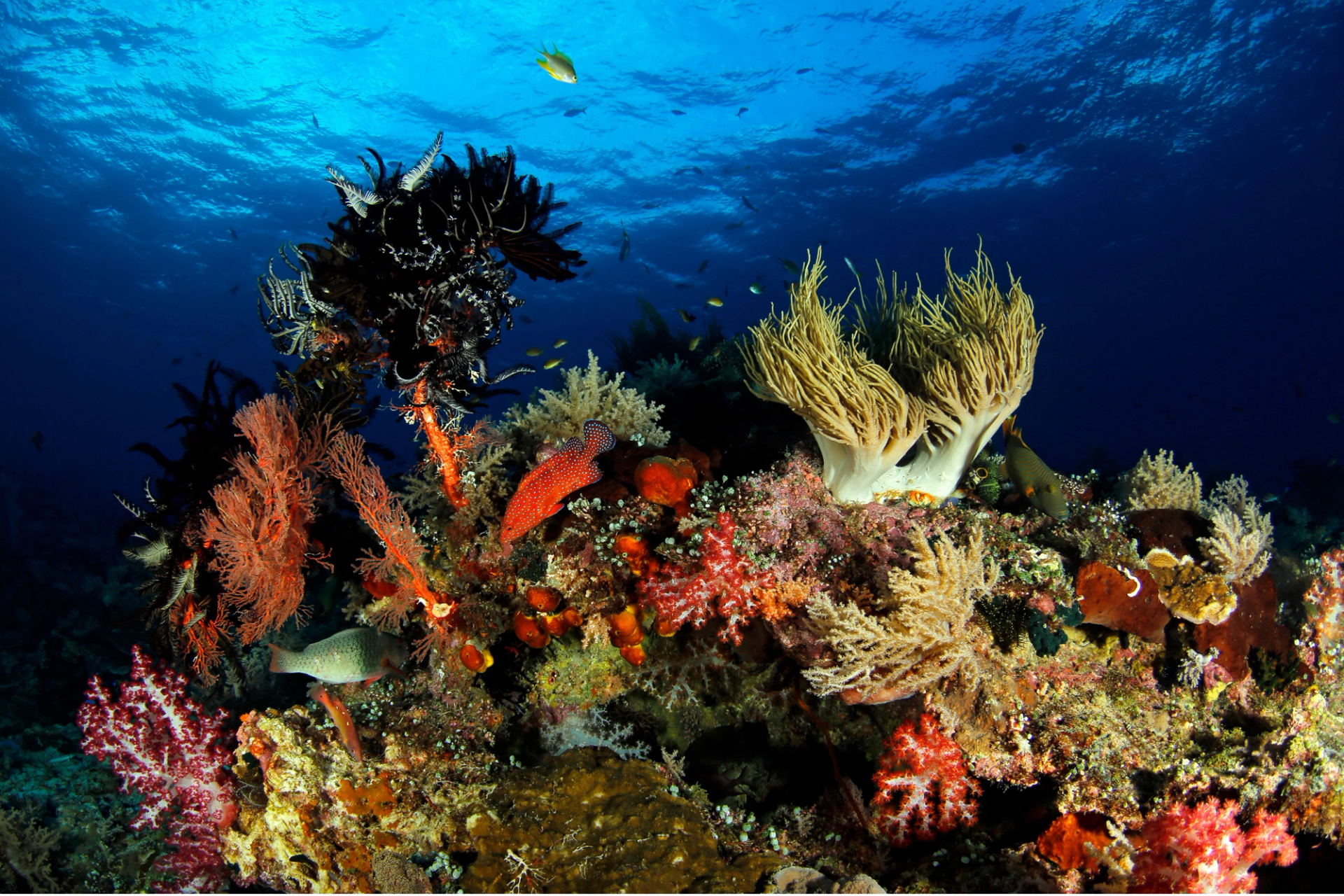
The Dampier Strait is Raja Ampat at full volume: nutrient-rich water, remarkable fish density and reefs that change from one site to the next. Cape Kri is its clearest biodiversity marker, with 374 fish species documented in a single 90-minute dive.
Nearby, Manta Sandy offers a classic cleaning-station experience, while Blue Magic is known for deeper, current-exposed manta encounters.
Misool pairs soft-coral walls and limestone formations with both wide-angle scenery and macro life. Sites such as Magic Mountain and Boo Windows give southern Raja Ampat its distinctive character.
Note that Southern Raja Ampat is closed and inaccessible from June through September because of seasonal sea conditions. Misool is therefore limited to itineraries operating when the region can be reached safely.
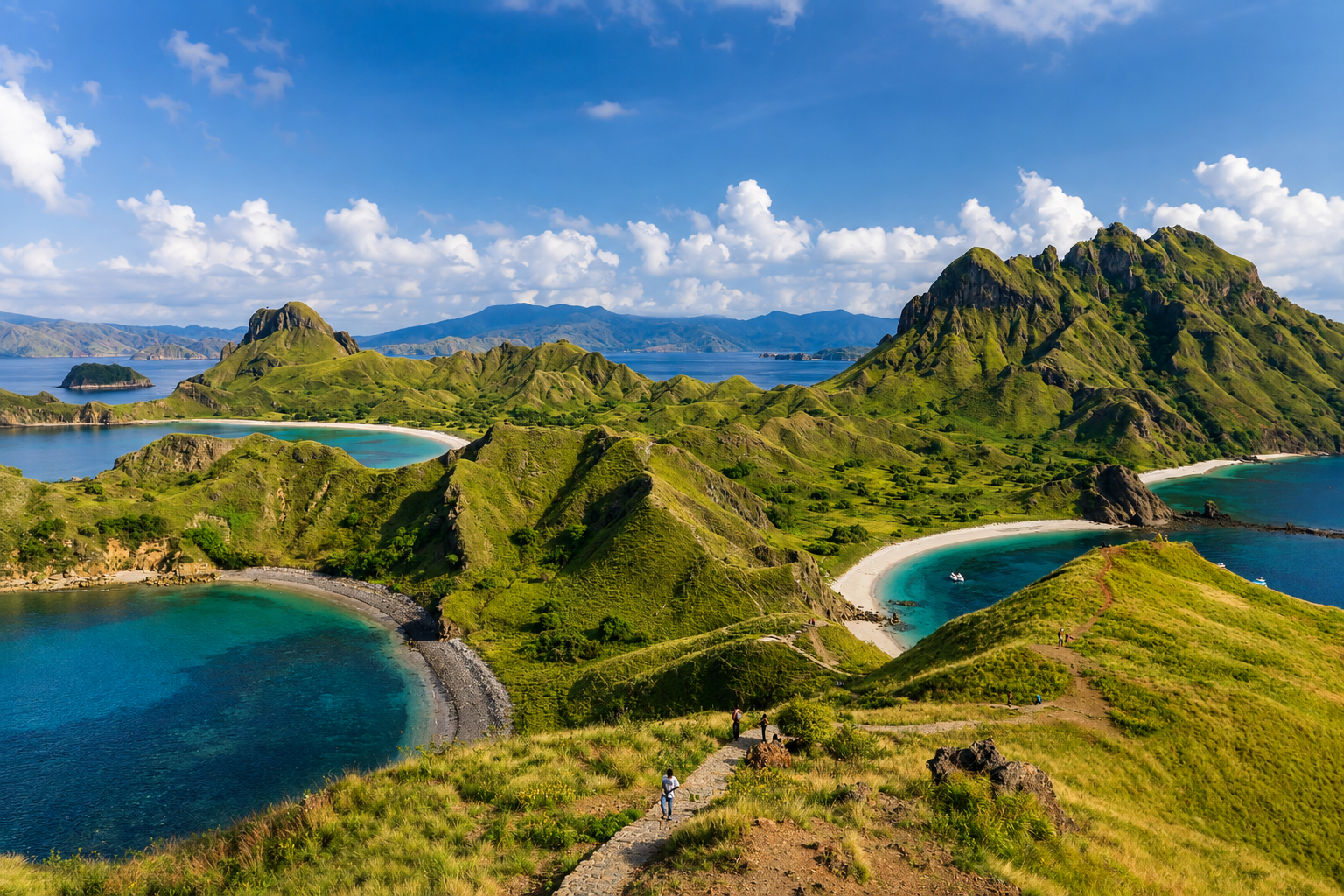
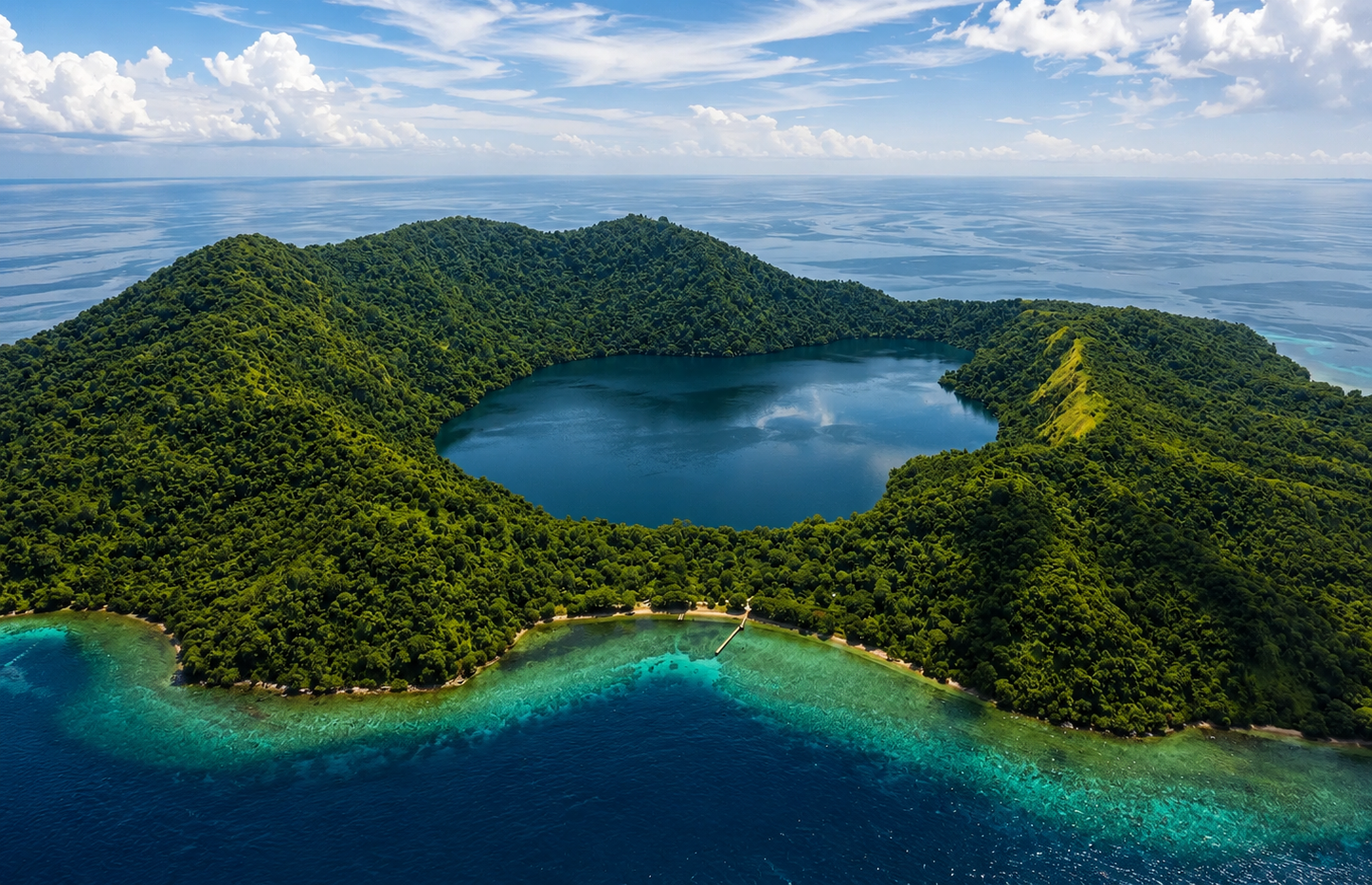
Around Fam and Piaynemo, coral gardens and island scenery take center stage. Melissa’s Garden is known for extensive hard-coral coverage and abundant reef fish, while Piaynemo’s limestone islets and turquoise lagoons create one of Raja Ampat’s most recognizable landscapes.
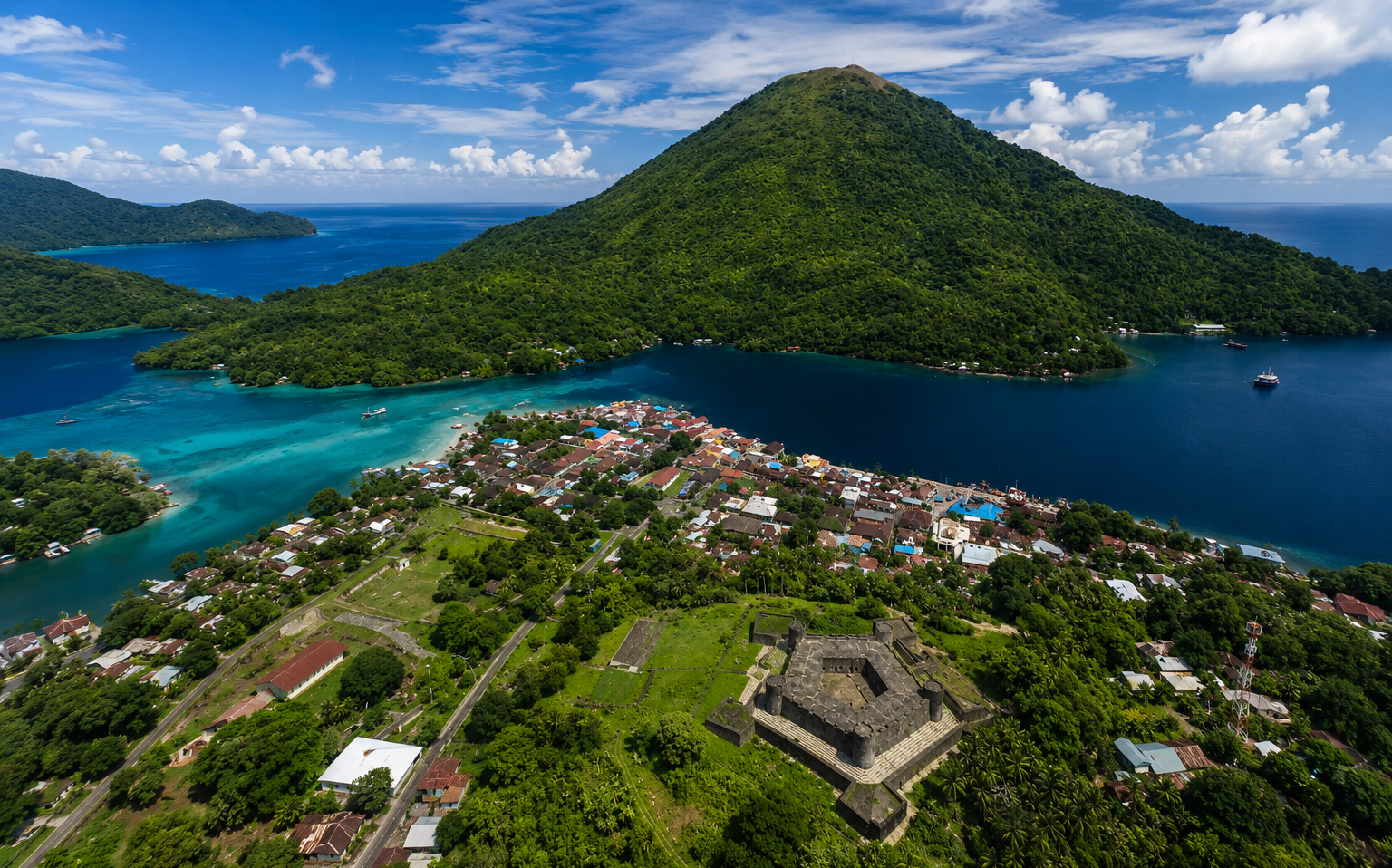
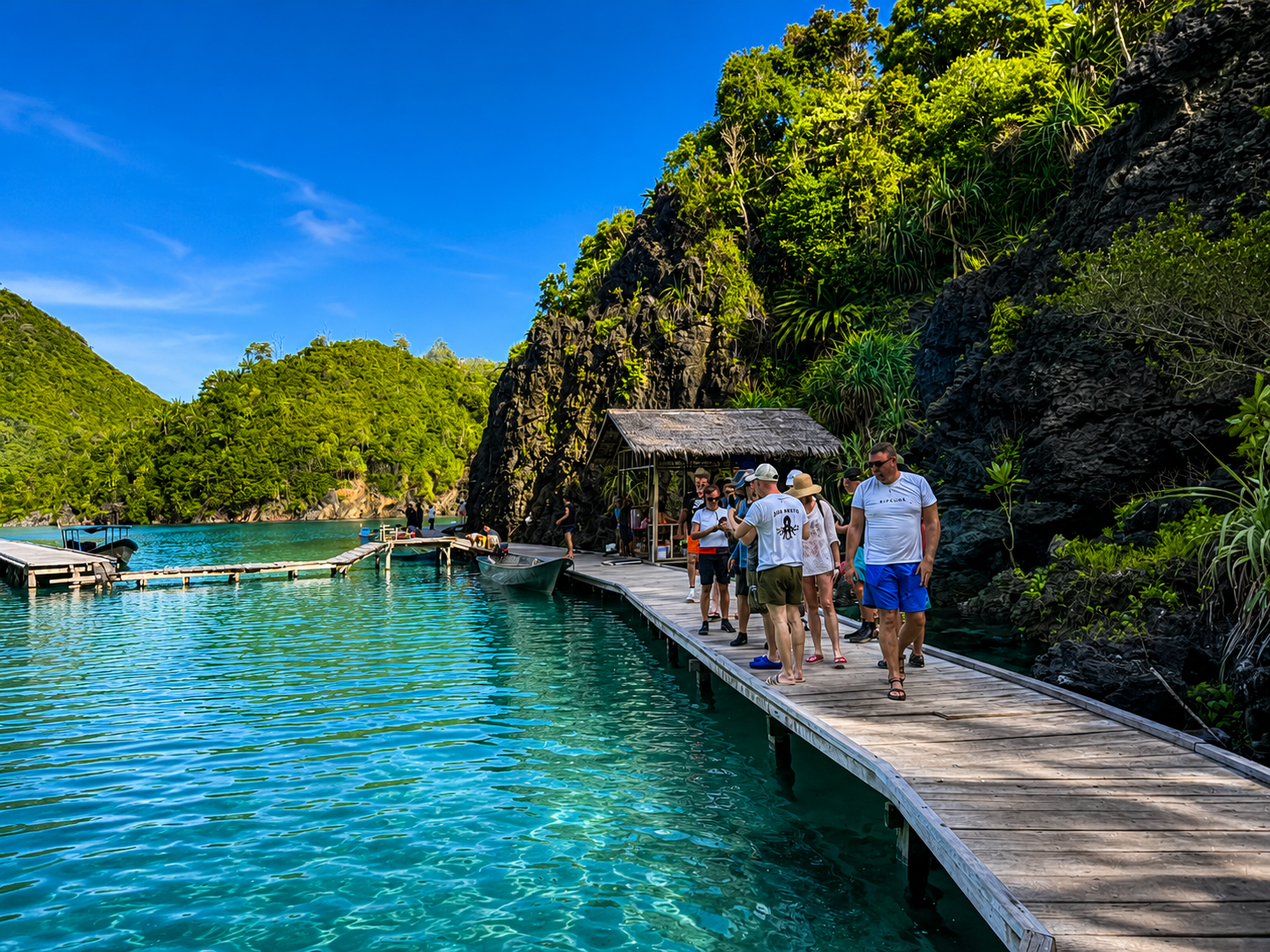
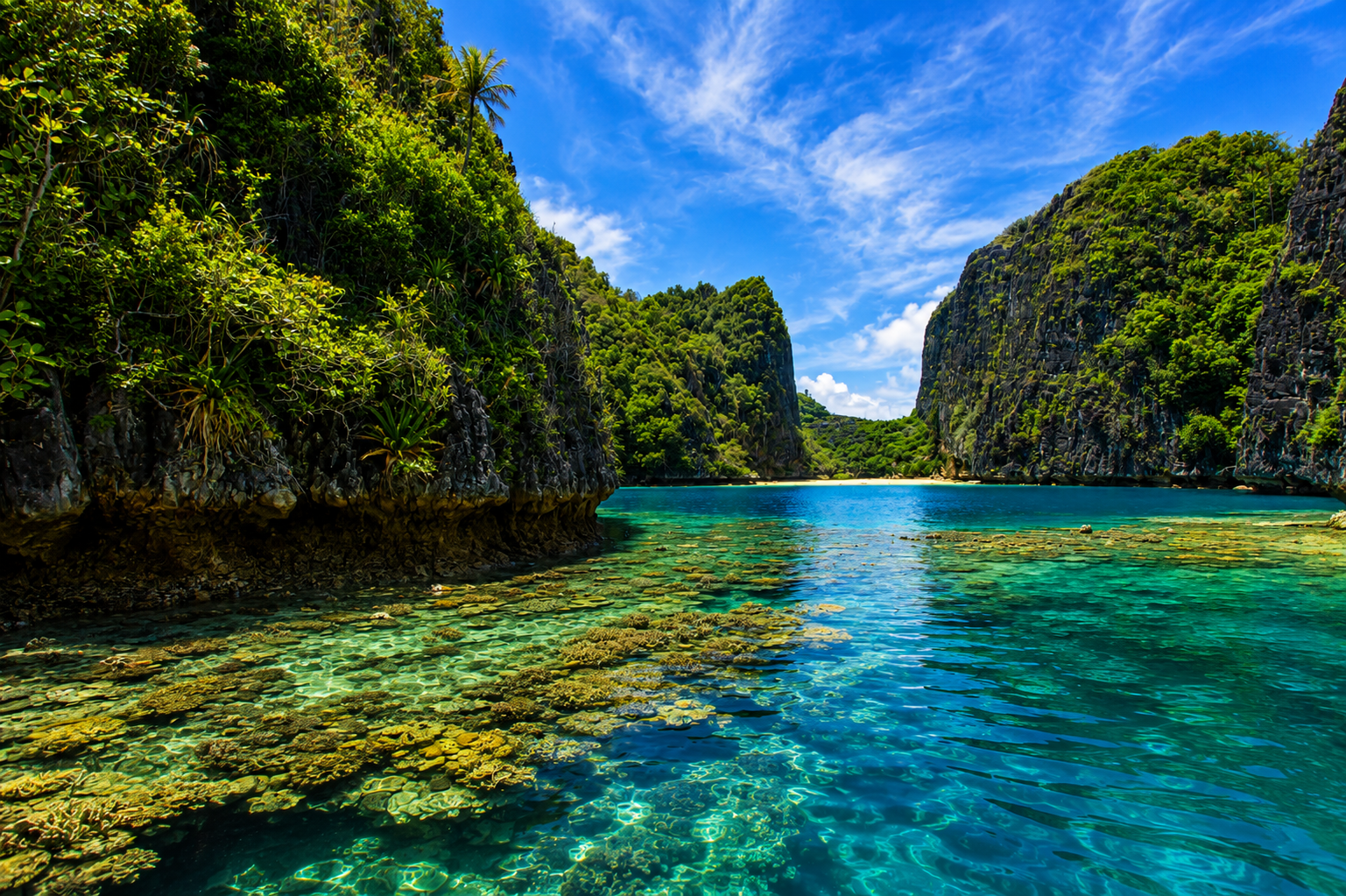
Raja Ampat also rewards non-divers. Clear shallows, limestone islands, mangrove-fringed bays and village visits give the journey a strong identity above water.
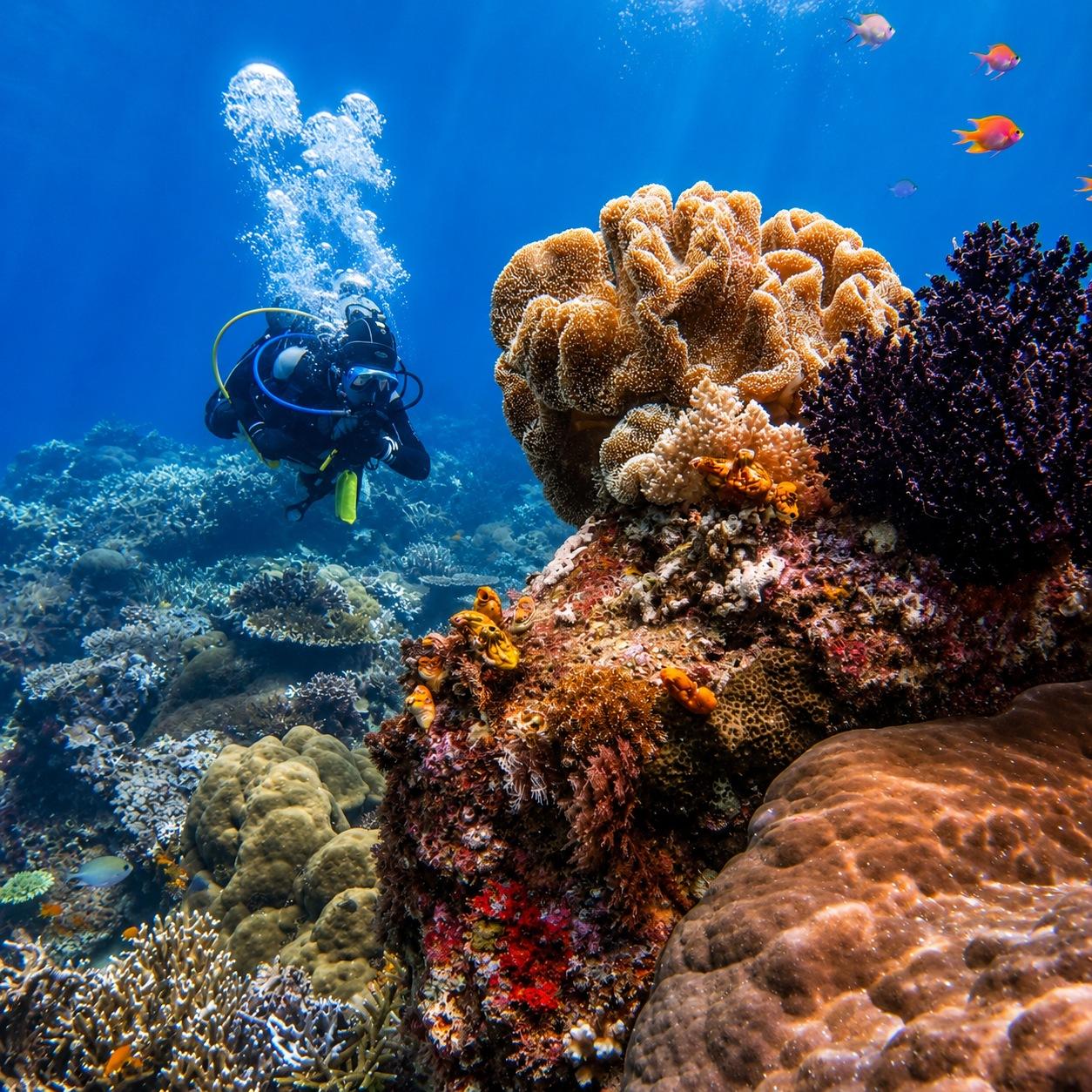
At suitable sites, snorkeling is a genuine part of the trip. Shallow reef tops reveal coral gardens and dense fish life, while selected manta stations may offer encounters for snorkelers as well as divers.
Manta Sandy is one example where the cleaning station may work for both. Guides choose snorkeling locations according to the day’s conditions, favoring sheltered reefs and manageable drifts when exposed sites are unsuitable.
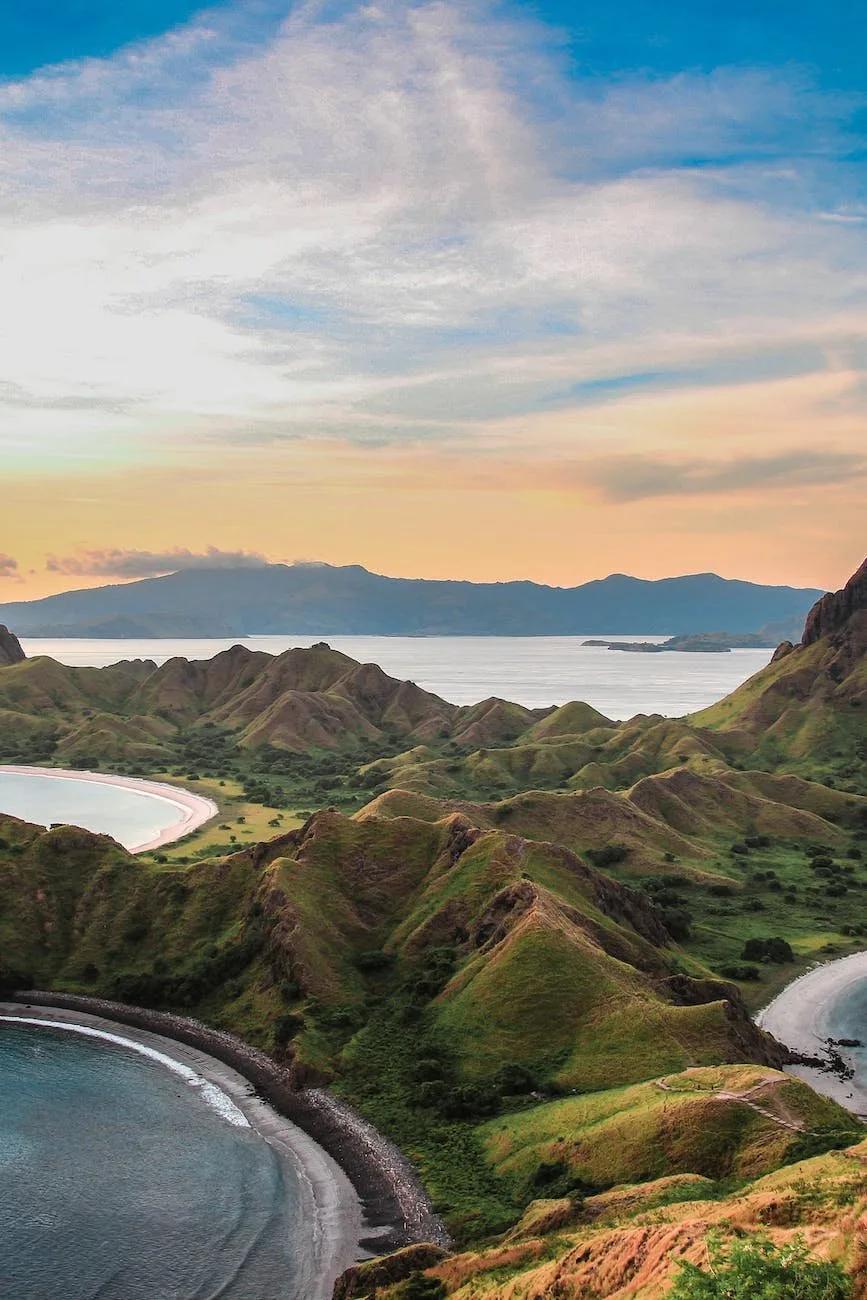
Wayag’s karst peaks, the Fam Islands’ lagoons and Raja Ampat’s mangroves make the view from the tender worth slowing down for. Depending on the route, island viewpoints, village visits and quiet passages through the landscape sit naturally alongside the diving.
These are not add-ons competing with underwater time. They are part of Raja Ampat’s rhythm: reef, island, lagoon, then the next dive.
Raja Ampat can be dived year-round, but not every region is accessible each month. October through April is the main season for the archipelago as a whole, particularly for routes that include Misool.
Southern Raja Ampat is closed and inaccessible from June through September because of seasonal sea conditions. Central Raja Ampat, including the Dampier Strait, remains accessible in July and August, although wind and swell may limit the available sites. Tides and moon phase can affect individual dives more directly than the month.
In September, visibility often improves as plankton levels fall, while manta activity may decrease for the same reason. Photographers may favor the clearer water, while guests focused on mantas should discuss timing and routes with the team.
Mari’s Raja Ampat liveaboard trips operate year-round and range from 7 to 12 nights. The combination of regions depends on the itinerary, season and conditions, so compare the route cards below before choosing a departure.
Sorong (SOQ), in Southwest Papua, is the main liveaboard gateway for Raja Ampat, with most international guests reaching it via Jakarta, Bali, or Manado before continuing to Sorong. Domestic routes and schedules can change, so check connections when booking.
For domestic flights within Indonesia, we recommend checking Traveloka.com, which offers a convenient overview of available Indonesian airlines, routes, and fares.
Plan a buffer day before embarkation rather than relying on a tight connection. Confirm the starting and ending ports of your itinerary before booking onward flights, or contact us for travel advice.
Mari’s Raja Ampat itineraries include dedicated journeys through the archipelago and routes that begin or end in Sorong. Trips range from 7 to 12 nights. Shorter itineraries provide a focused introduction to the reefs and islands; longer journeys allow more time to travel between regions.
The right route depends on the season, whether you want to include Misool and how much time you want to spend moving between regions. The itineraries and upcoming trips below show each departure’s route, duration, ports and availability.
Highlight/01
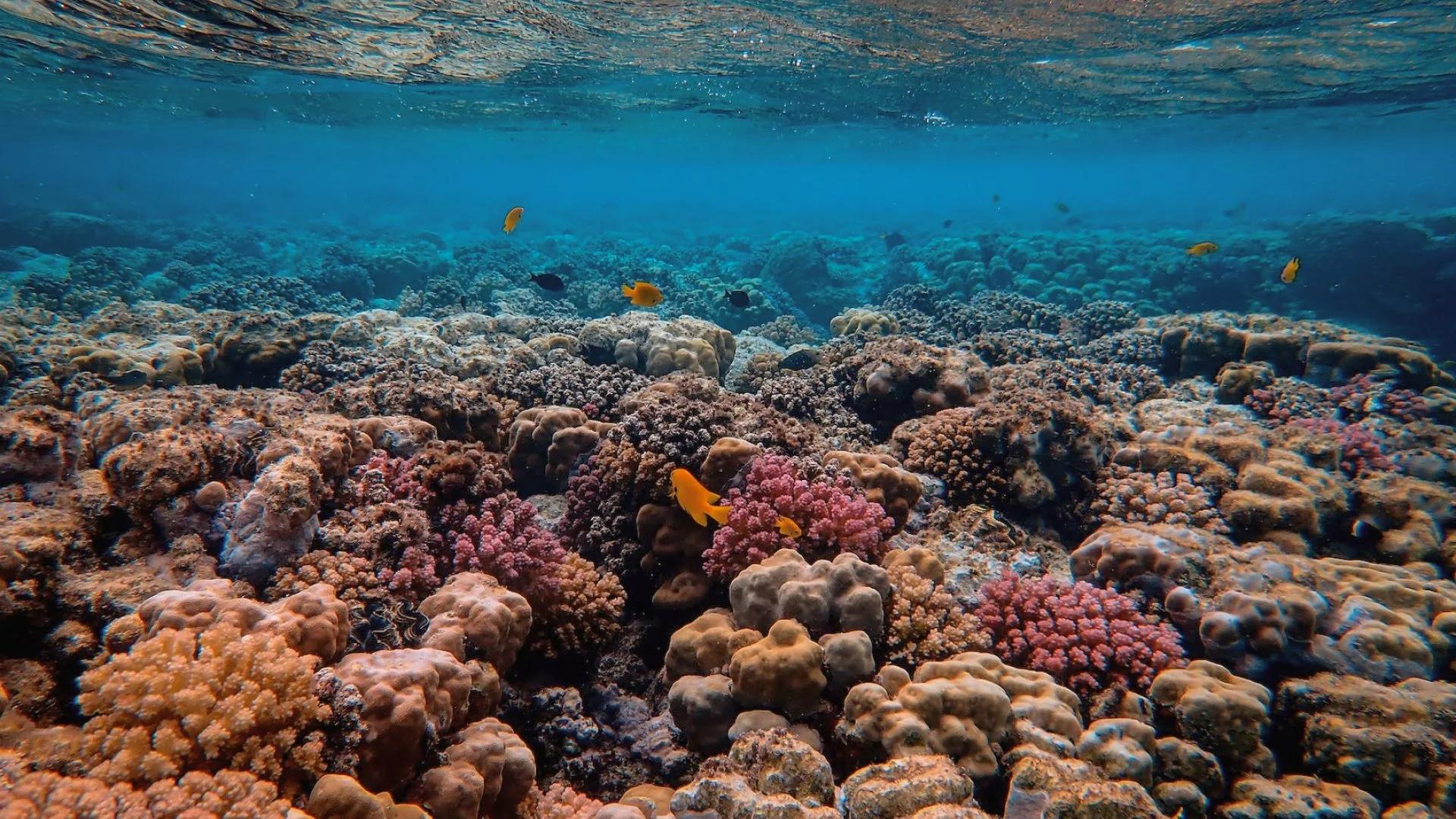
From shallow coral gardens to sea-fan walls, Raja Ampat’s reefs hold more than 1,600 fish species and 600 coral species. Cape Kri’s record of 374 fish species in one 90-minute dive gives a sense of what can unfold in a single descent.
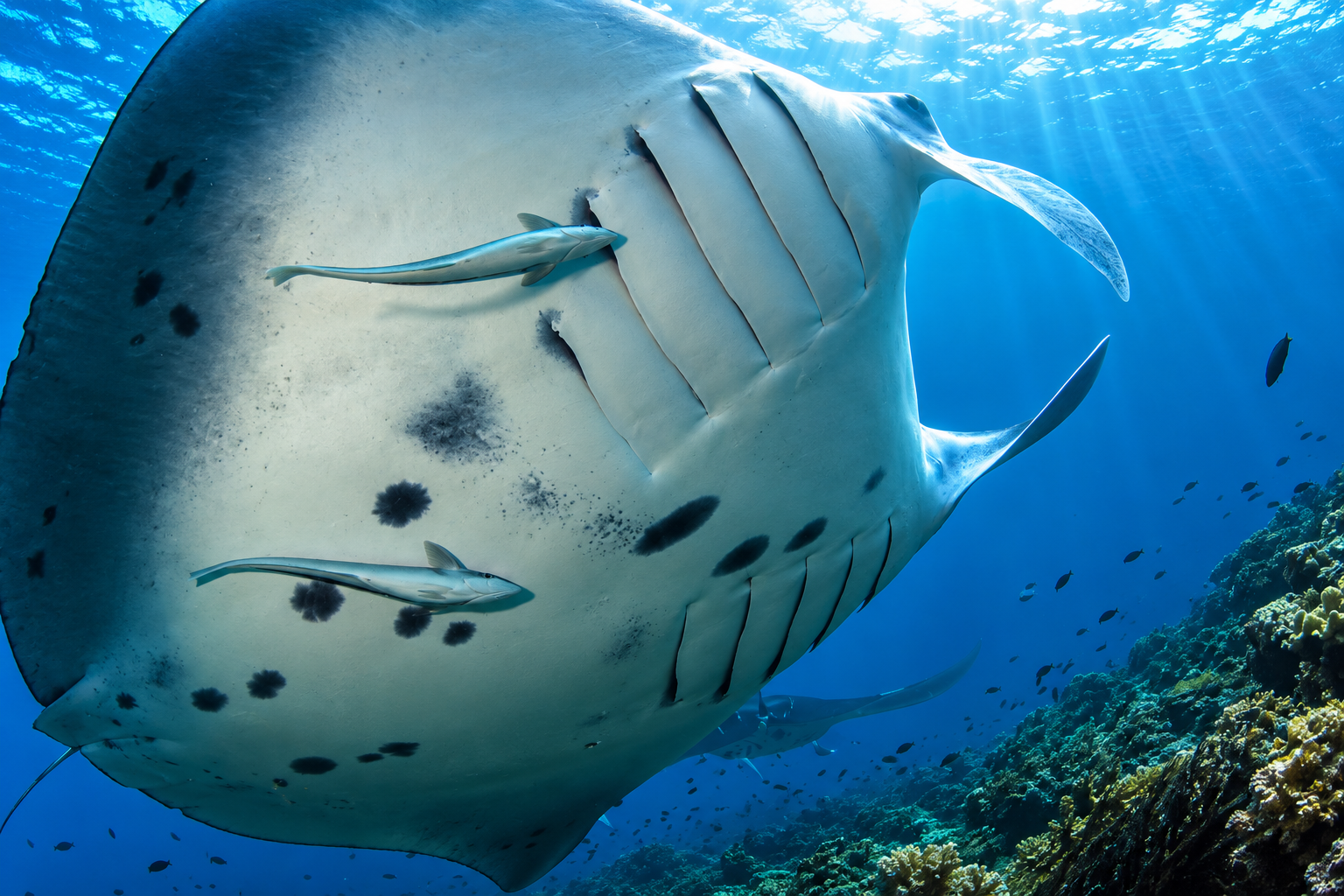
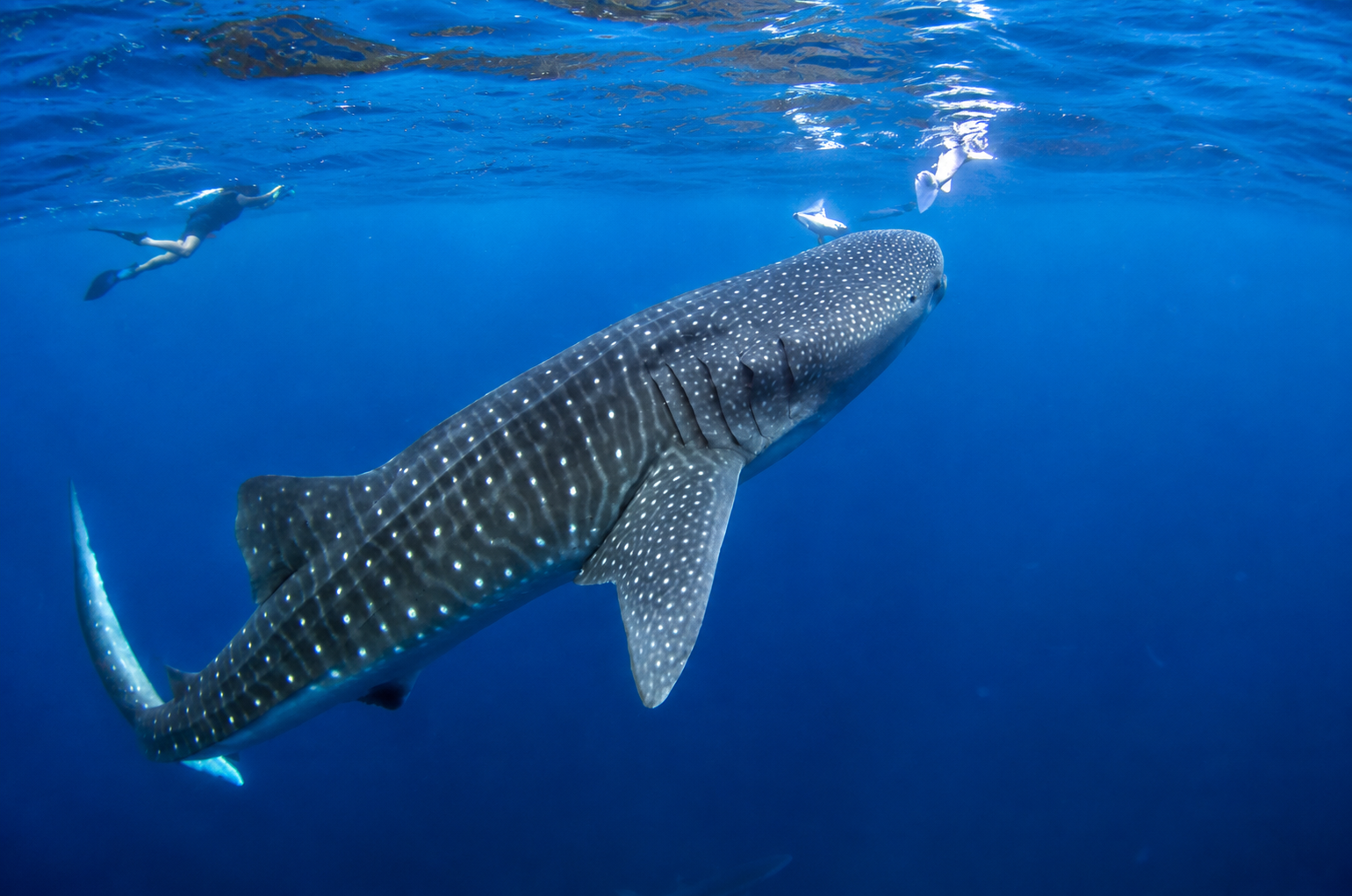
Reef and oceanic mantas glide in from open water to circle the cleaning stations, wingspans stretching wide overhead as cleaner wrasse pick along their bellies. Few encounters in diving feel this close, or this calm.
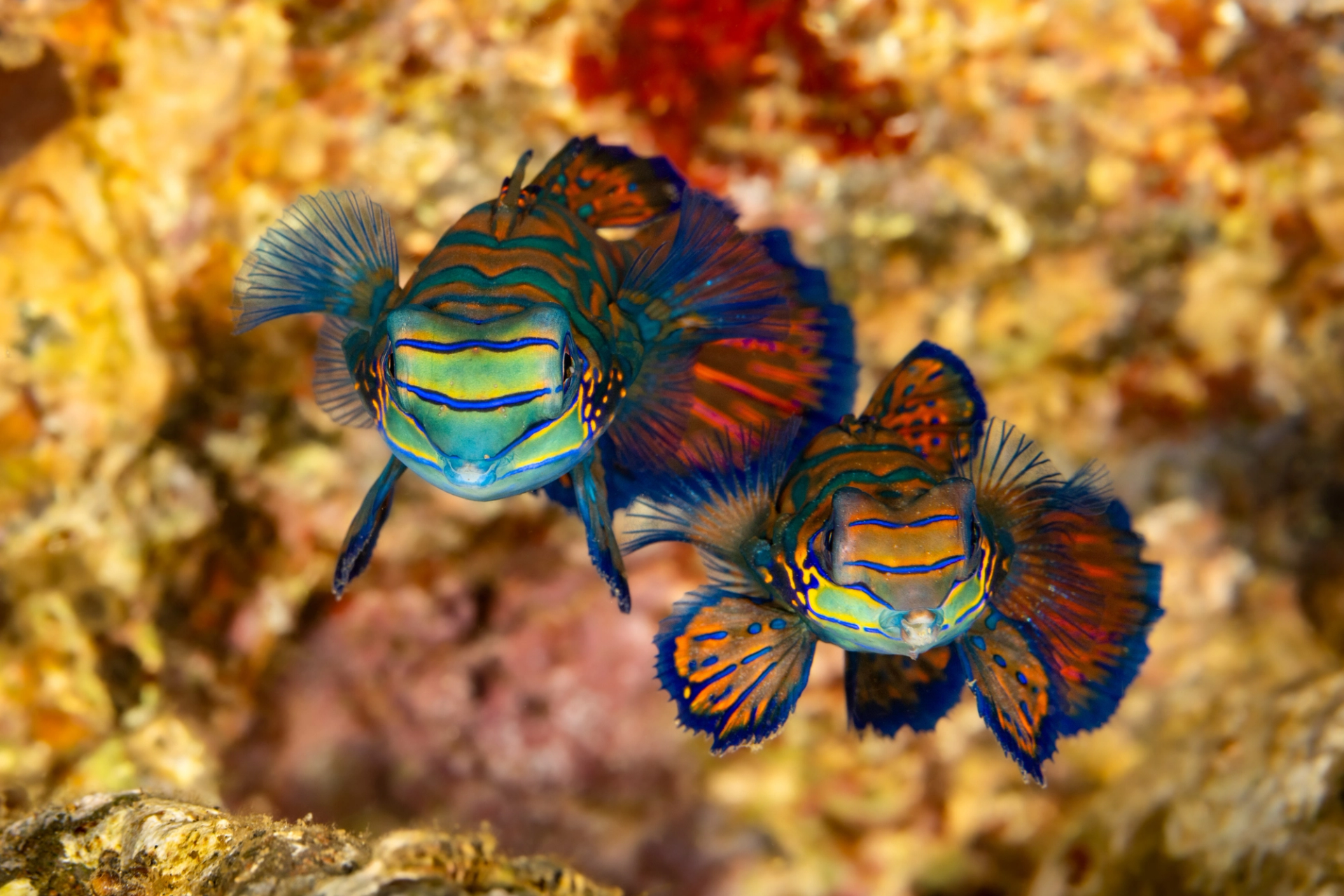
An epaulette shark walking across the sand on its fins, a tasseled wobbegong vanishing into a coral plate, a pygmy seahorse smaller than a fingernail. These are Raja Ampat’s own, found nowhere else on Earth.
Watch reef sharks glide through Misool’s warm, crystal-clear shallows, weaving between schools of silver trevallies and tropical reef fish just beneath the surface.
The reef starts right at the surface here: coral gardens and dense fish schools within arm’s reach of the boat, mantas gliding past close enough to snorkel alongside.
Wayag’s limestone peaks rise straight out of turquoise water, the Fam Islands open into hidden lagoons, and Hidden Bay slows everything into mangroves.
Discover the Best
November–April7 nights
Sorong to Sorong

Availability
Book directly through our scheduling partner to view real-time availability and reserve your cabin.
Good to know
Raja Ampat diving is varied, coral-rich and shaped by currents. A liveaboard can move between current-swept channels, manta cleaning stations, shallow coral gardens and macro-led dives, so the experience changes meaningfully across the region.
Mari requires Open Water certification plus 30 logged dives for Raja Ampat. Conditions are site- and tide-dependent, and the requirement helps ensure guests can make the most of current-exposed dives as well as gentler sites.
Raja Ampat is known for dense reef life, manta rays, reef sharks, wobbegongs, walking sharks and pygmy seahorses. Cape Kri recorded 374 fish species in one 90-minute dive, but wildlife sightings always depend on site and conditions.
Currents range from mild to very strong depending on the site, tide and moon phase. They are a major reason the reefs are so productive, and the dive team’s local current checks help determine the right site and entry plan.
Water temperature is typically 27°C to 31°C (81°F to 88°F) year-round. Visibility commonly ranges from 10m to 25m (33ft to 82ft), with plankton-rich periods sometimes reducing visibility while improving the conditions for manta activity.
Raja Ampat is best enjoyed by divers with enough experience and skill to navigate changing currents. The team can preselect sites to suit your level and recheck conditions before each dive, so please let us know your experience in advance.
Yes. Alongside its big reef scenes, Raja Ampat offers pygmy seahorses, nudibranchs, ghost pipefish, frogfish, crustaceans and other smaller life. Misool and Batanta are particularly strong for a slower, macro-focused look.
Fly internationally to Jakarta (CGK) or Bali (DPS), then continue to Sorong (SOQ) in West Papua, the main liveaboard gateway. Build in a buffer day before embarkation, as domestic flight schedules can change.
Raja Ampat can be visited year-round, but the right time depends on the route. October to April is the main window for the whole region, while southern Raja Ampat is generally closed from June to September. Central areas remain available during the middle of the year.
No. Southern Raja Ampat, including Misool, is generally inaccessible from June to September because of monsoon sea conditions. Check the itinerary carefully if Misool is a priority for your trip.
Raja Ampat’s weather varies by region rather than following one simple rainy-season rule. The south is generally rougher and wetter from June to September, while central Raja Ampat still operates through July and August with a more conditions-led site list. October to April is the main window for the region as a whole.
Water is warm, typically 27°C to 31°C (81°F to 88°F), but a full wetsuit or skin suit is still useful for protection from stings and scrapes. Bring your own mask and any personal dive equipment you prefer to dive with, reef-safe sunscreen, lightweight sun protection, a dry bag and any medication you rely on. A dive pointer or stick can be useful.
Yes, selected shallow reefs and manta stations can be excellent for snorkeling. Suitability depends on the site and current conditions, so guides will recommend the appropriate stops for the day.
Yes, provided the route and conditions suit them. Snorkeling, karst islands, lagoons, mangroves and village visits can all make the journey rewarding above water.
Marine park and port fees vary by departure. See Schedule & Rates for the fees that apply to your itinerary.
Sail Raja Ampat in comfort
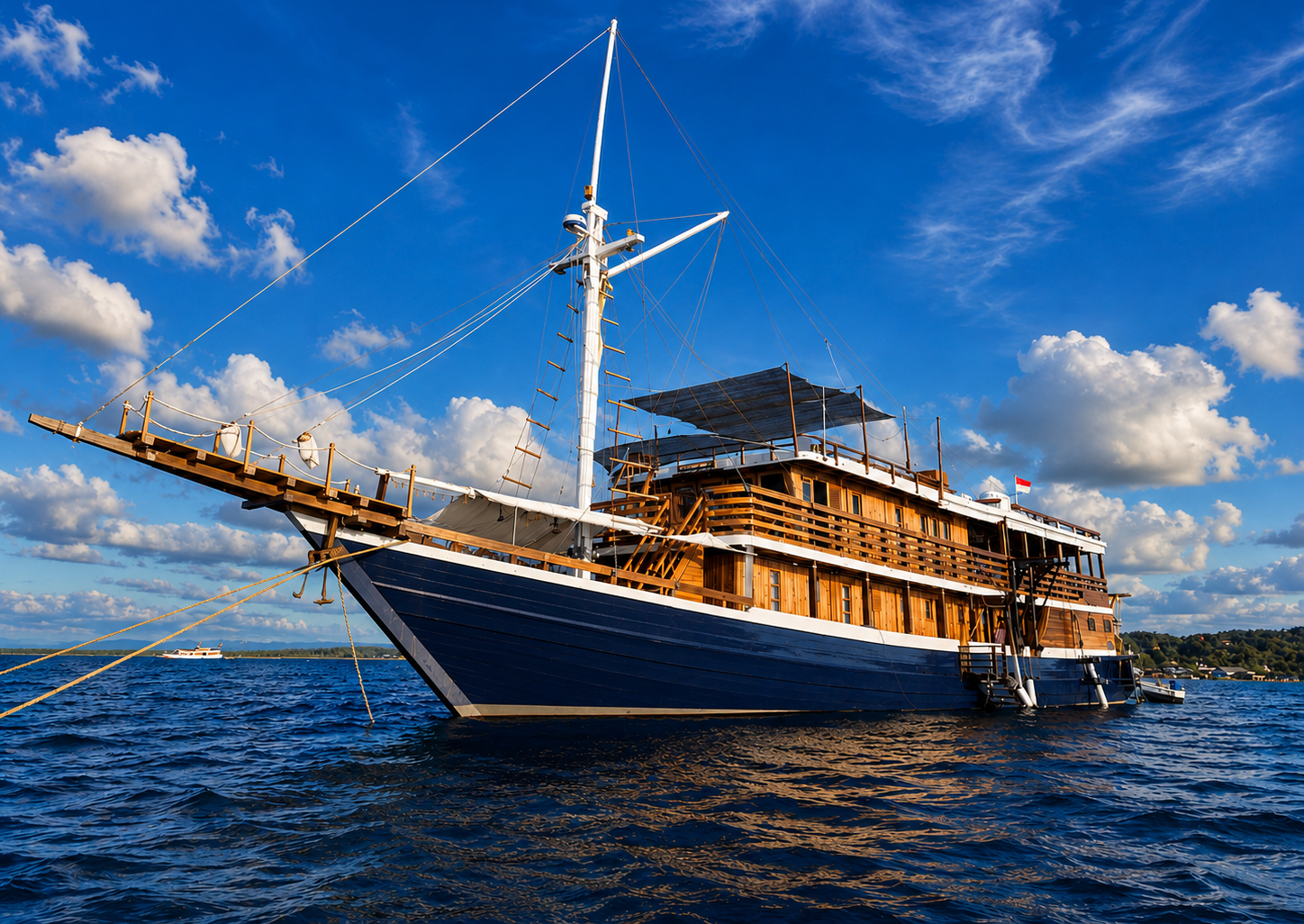
30m · 7 cabins · 14 guests · 14 crew
Built by the boatbuilders of South Sulawesi, Mari is a 30m traditional Indonesian phinisi liveaboard designed for scuba diving andexploration.
She carries up to 14 guests in seven sea-view ensuite cabins, all on the main deck, combining the character of a wooden sailing boat with the all the amenities that a diver would need to unwind between dives.
Charter Mari for a private liveaboard shaped around your group. Sail with up to 14 guests and enjoy the flexibility to plan a route that suits the way you want to dive.
Join a scheduled Mari departure and dive Indonesia's defining regions alongside fellow dive enthusiasts.
Contact us
Whether you are comparing destinations, checking a departure, planning a private charter or simply want to know more about Mari, our team is here to help.