Sumbawa Liveaboard
Whale sharks, volcanic islands and the journey between Bali and Komodo.
Sumbawa Liveaboard Indonesia Overview
A slower route through Sumbawa’s volcanic islands
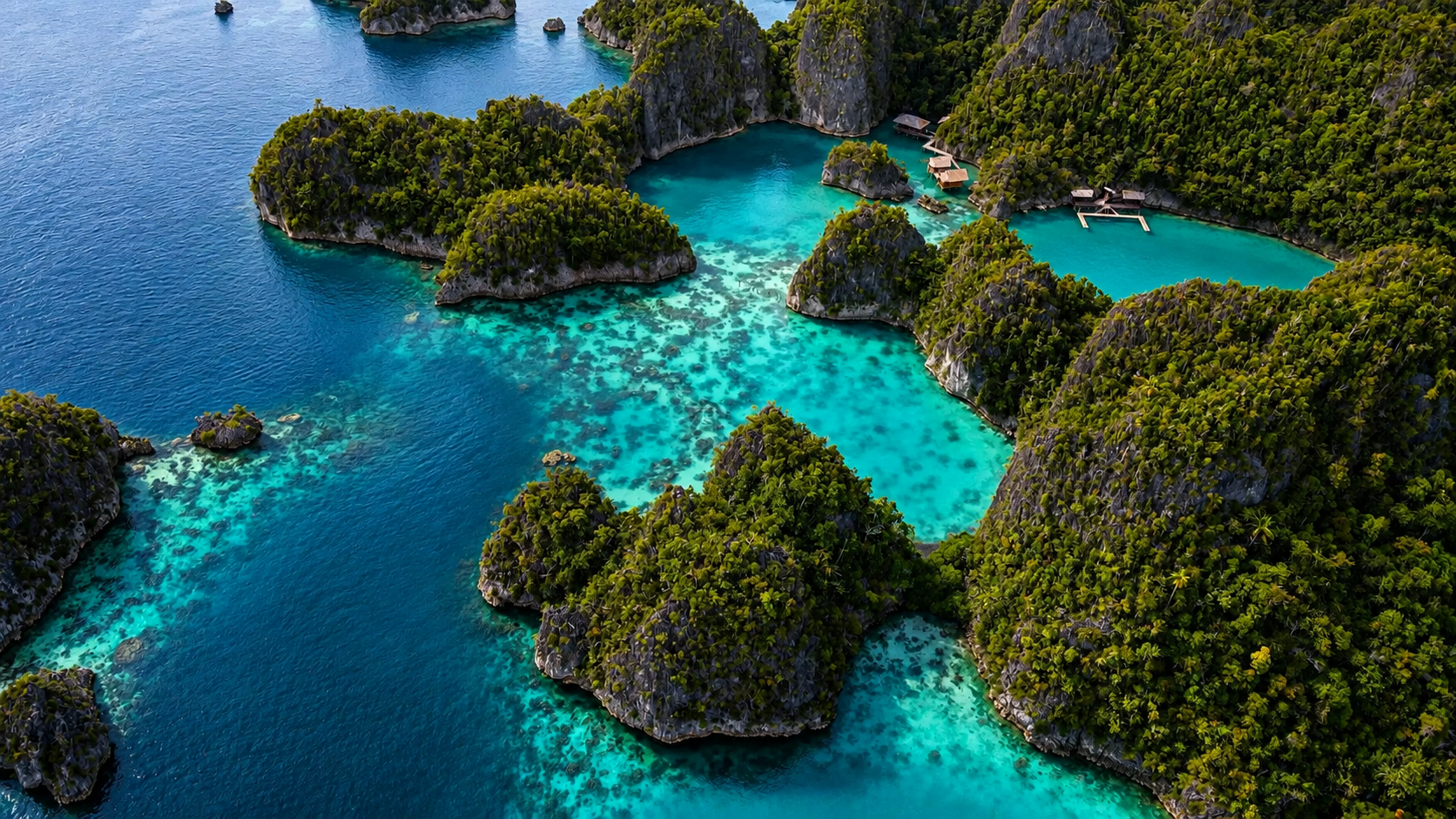
Sumbawa liveaboard diving adds whale shark bagans, coral reefs and volcanic islands to the journey between Bali and Komodo. Rather than rushing across the map, the route makes room for Moyo, Teluk Saleh, Satonda and Sangeang, each with a different way into the water.
It is a quieter part of Indonesia, but not an empty one. A surface interval might lead to a waterfall, a crater lake or a volcanic shoreline before the next descent.
Where is Sumbawa?
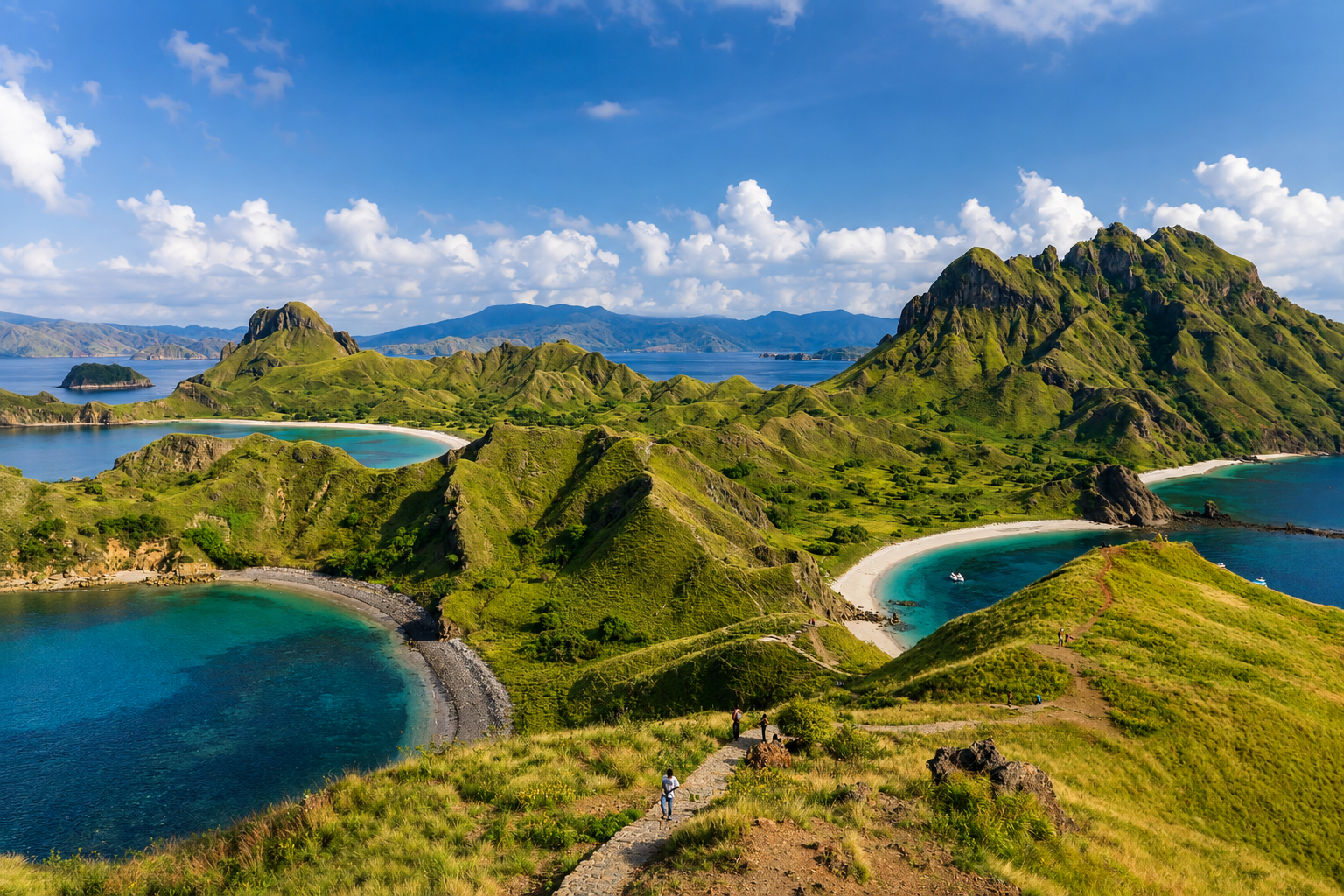
Sumbawa sits in West Nusa Tenggara, east of Lombok and west of Flores, on the wider route toward Komodo. Mari’s Sumbawa experiences focus on the north-west cluster around Moyo Island, Teluk Saleh and Satonda, then continue east through Sangeang toward Komodo.
These are distinct areas, not one continuous reef system. That is why the passage works well on a liveaboard: the journey can join the island groups instead of turning every move into a return transfer.
Diving in Sumbawa
Sumbawa’s diving moves between calm and current-led settings. Teluk Saleh is sheltered and associated with bagan platforms, while exposed reefs around Moyo can bring drift conditions and more pelagic movement. Satonda and Sangeang add their own volcanic and macro-focused character.
Mari requires Open Water certification plus 30 logged dives for Sumbawa. That does not make every site identical, so conditions, experience and the group still guide the right site and dive plan.
In the Moyo, Teluk Saleh and Satonda cluster, water temperature is typically 27°C to 28°C (81°F to 82°F). A single March source from the separate Sape Strait reports colder 25°C to 26°C (77°F to 79°F) water, so this should not be presented as one uniform Sumbawa-wide temperature.
Top dive regions in Sumbawa
Sumbawa’s underwater map is more varied than its simple location between Bali and Komodo suggests.
Moyo Island
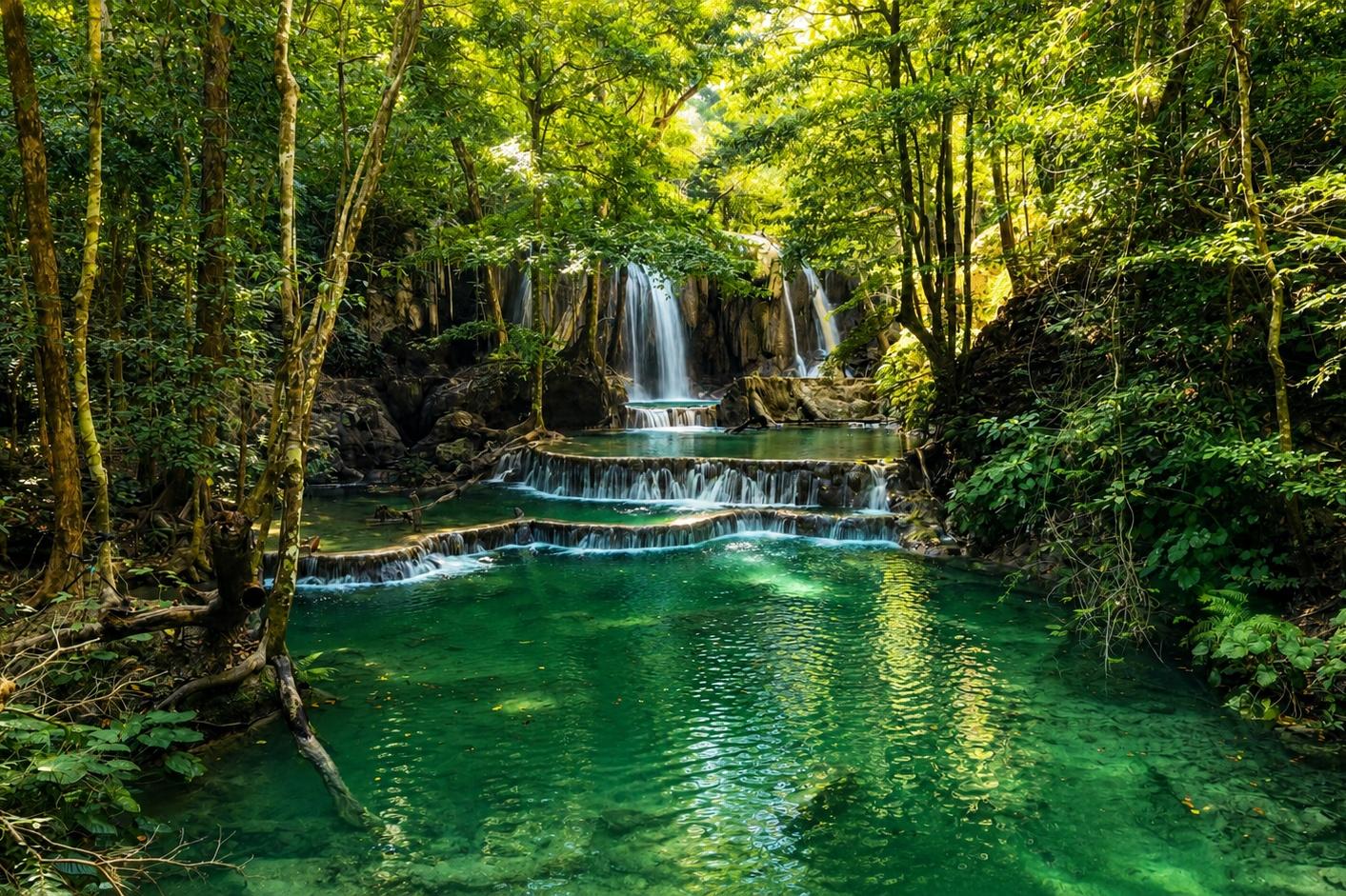
Moyo brings coral slopes, reef life and the Mata Jitu Waterfall excursion between dives. It is the gentler, green-island chapter of the crossing, with conditions that still vary across exposed reefs.
Teluk Saleh
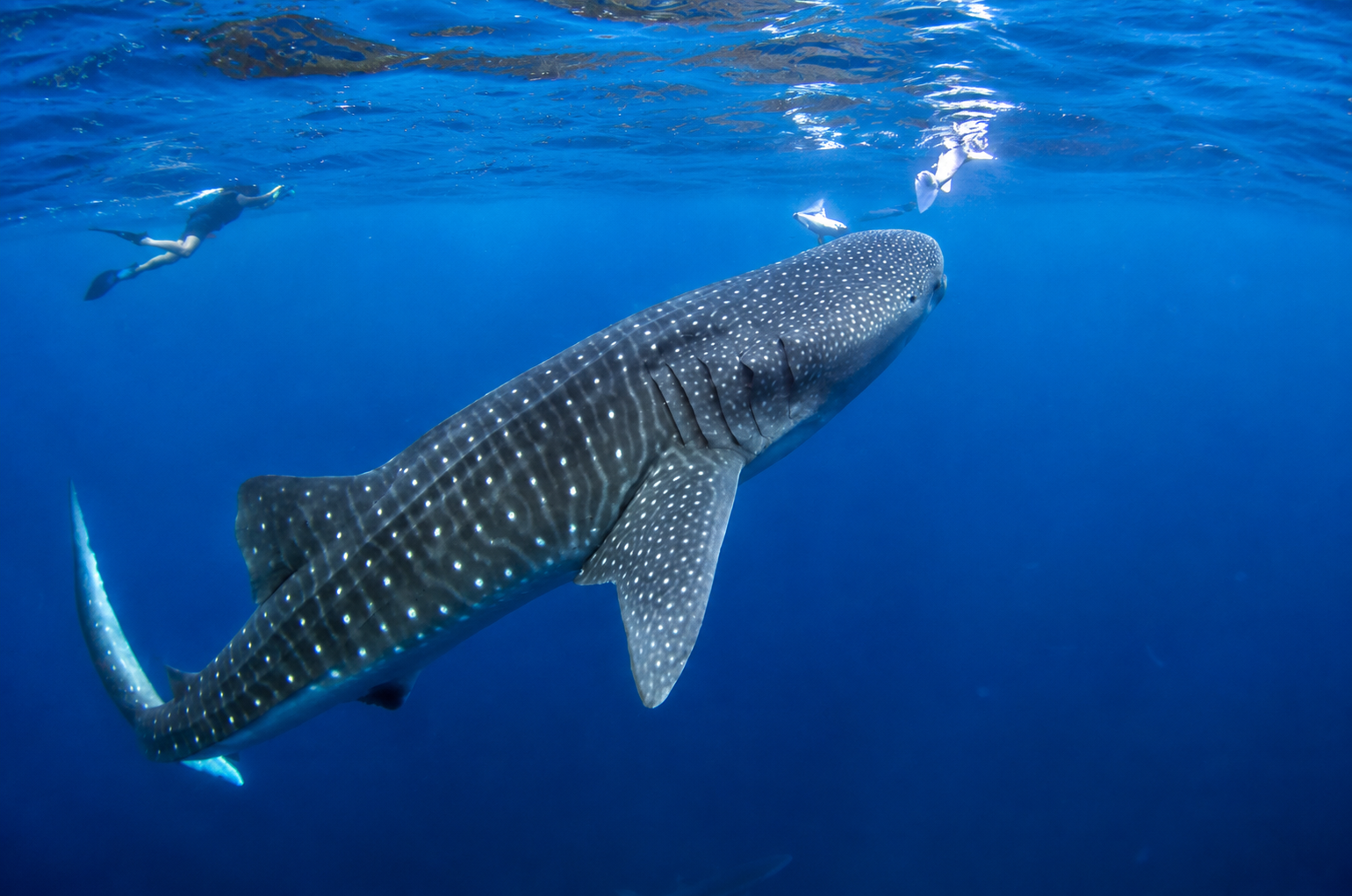
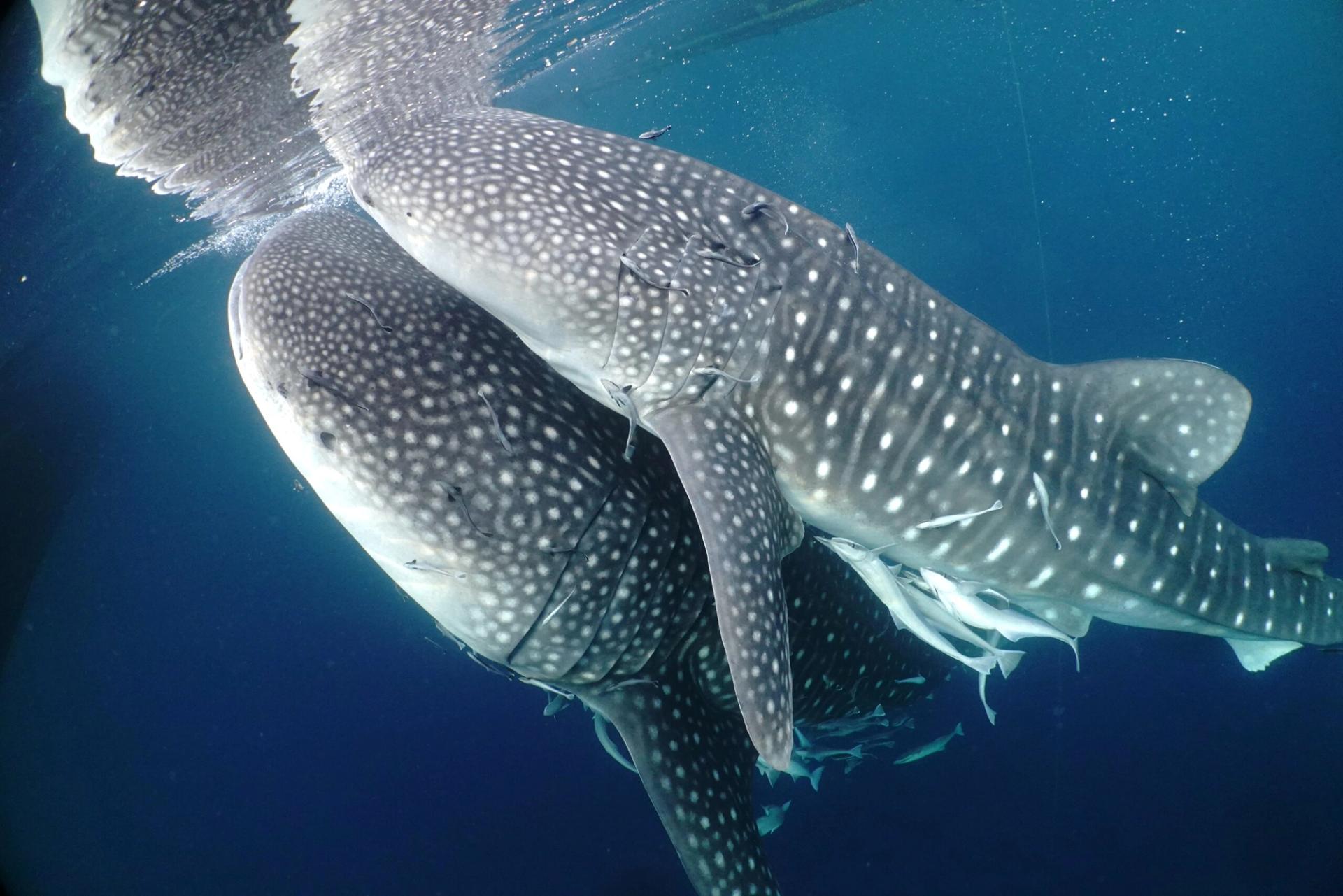
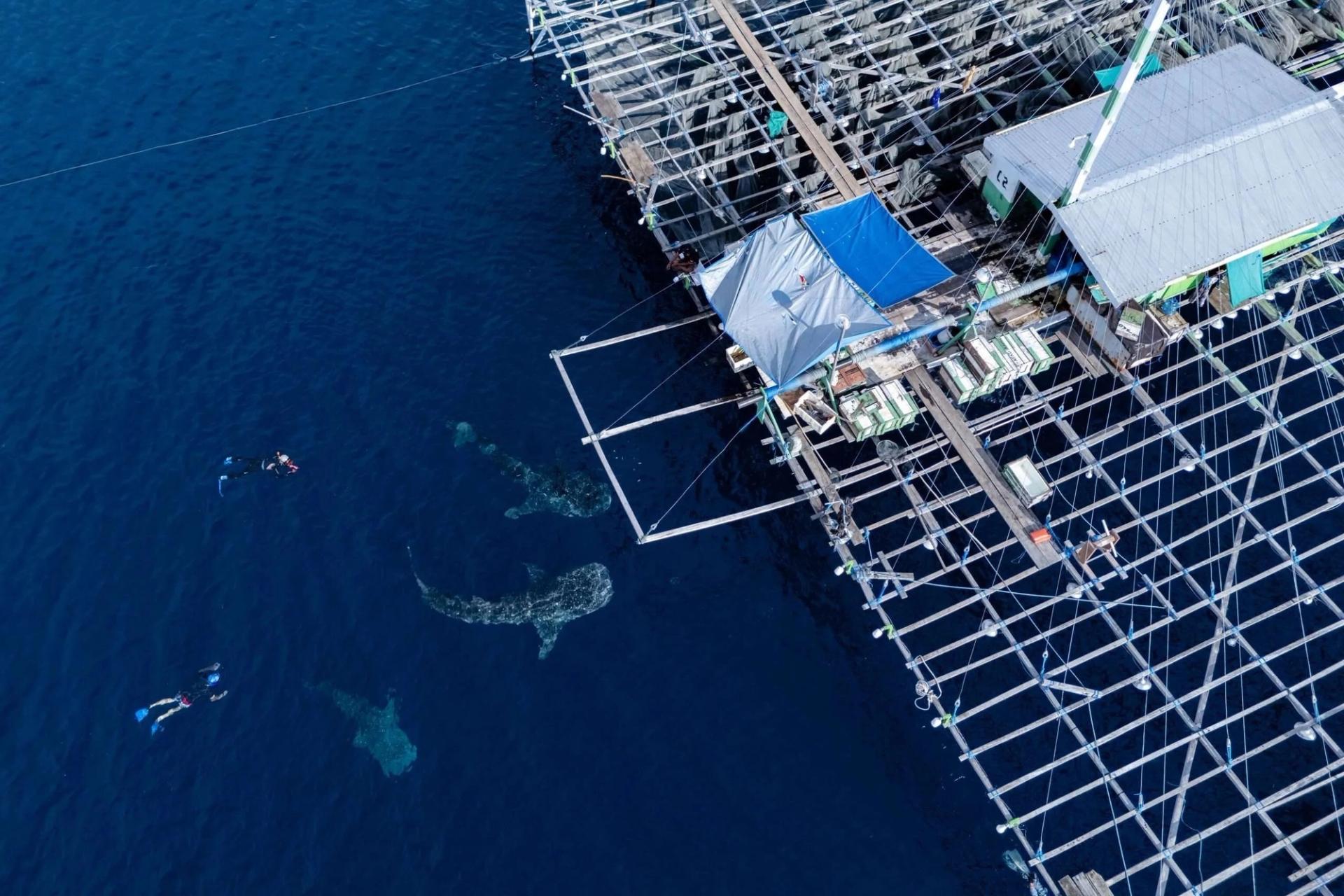
Teluk Saleh is the whale shark chapter. Traditional bagan platforms can draw whale sharks to feed beneath them during the season, with encounters alternating between snorkeling and diving depending on the animals’ positioning and depth.
Satonda Island
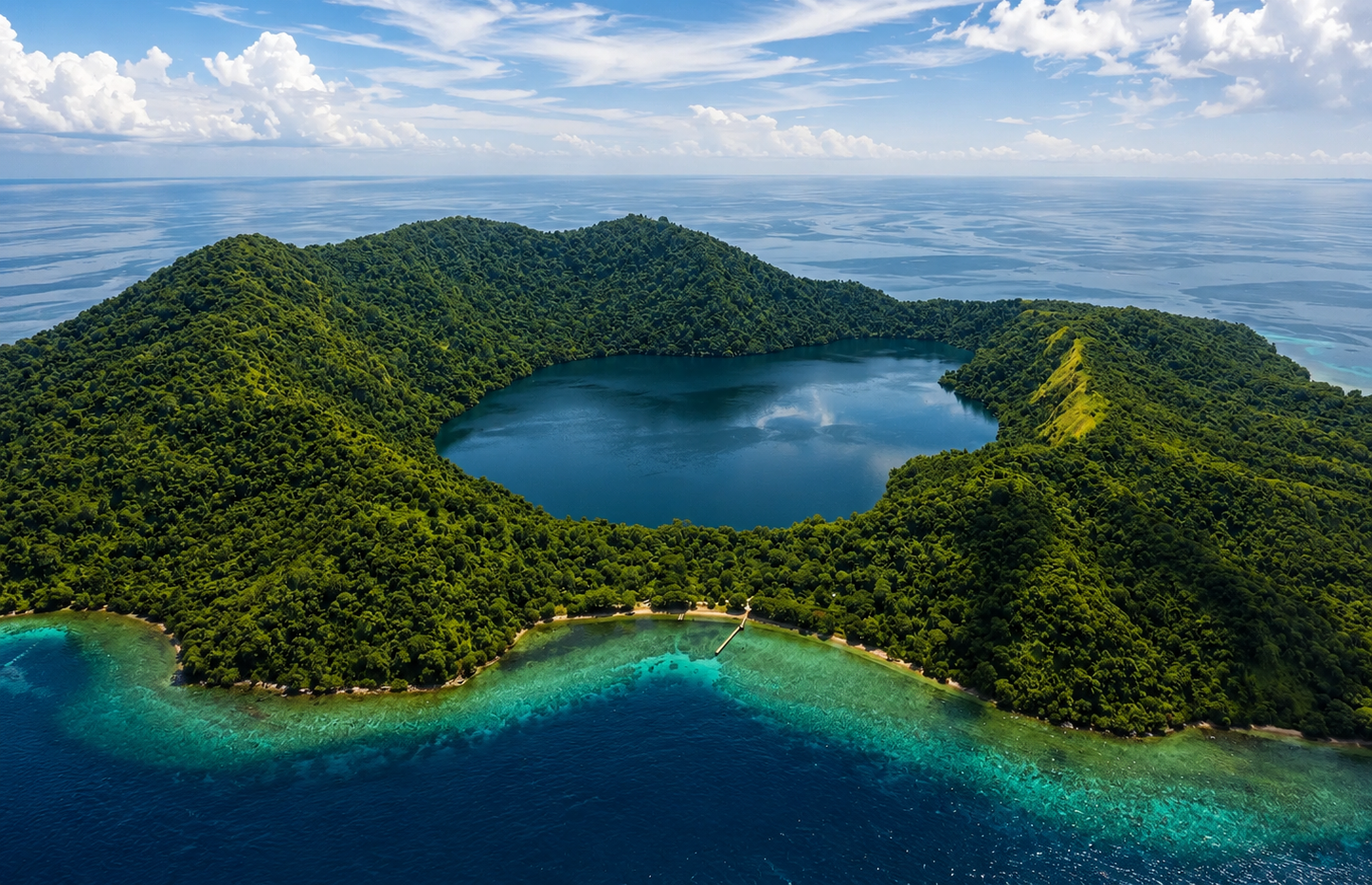
Satonda combines soft-coral walls, hard-coral gardens and a manta cleaning station with a crater-lake hike and flying foxes at dusk. It brings diving and a volcanic land experience into the same day.
Sangeang
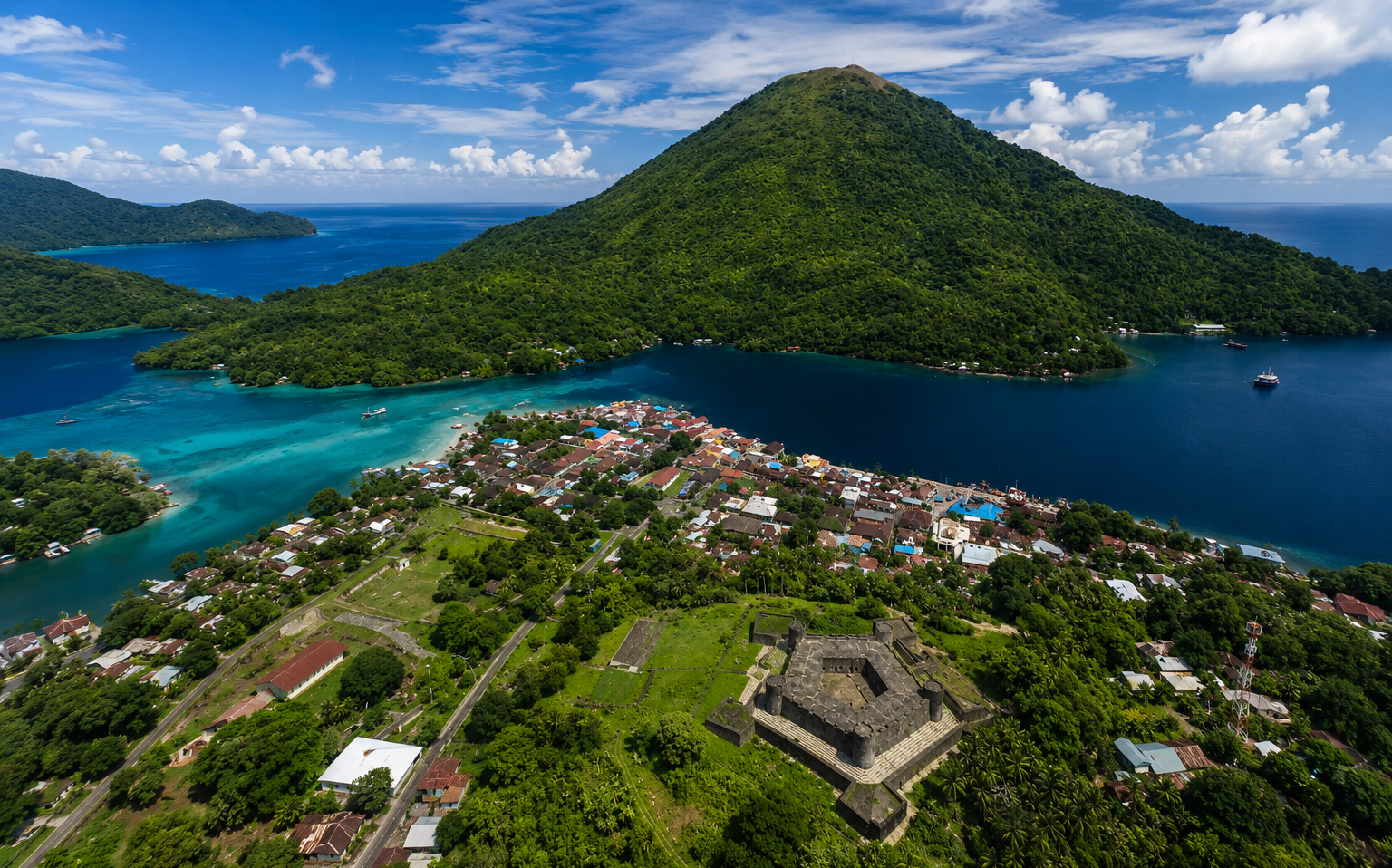
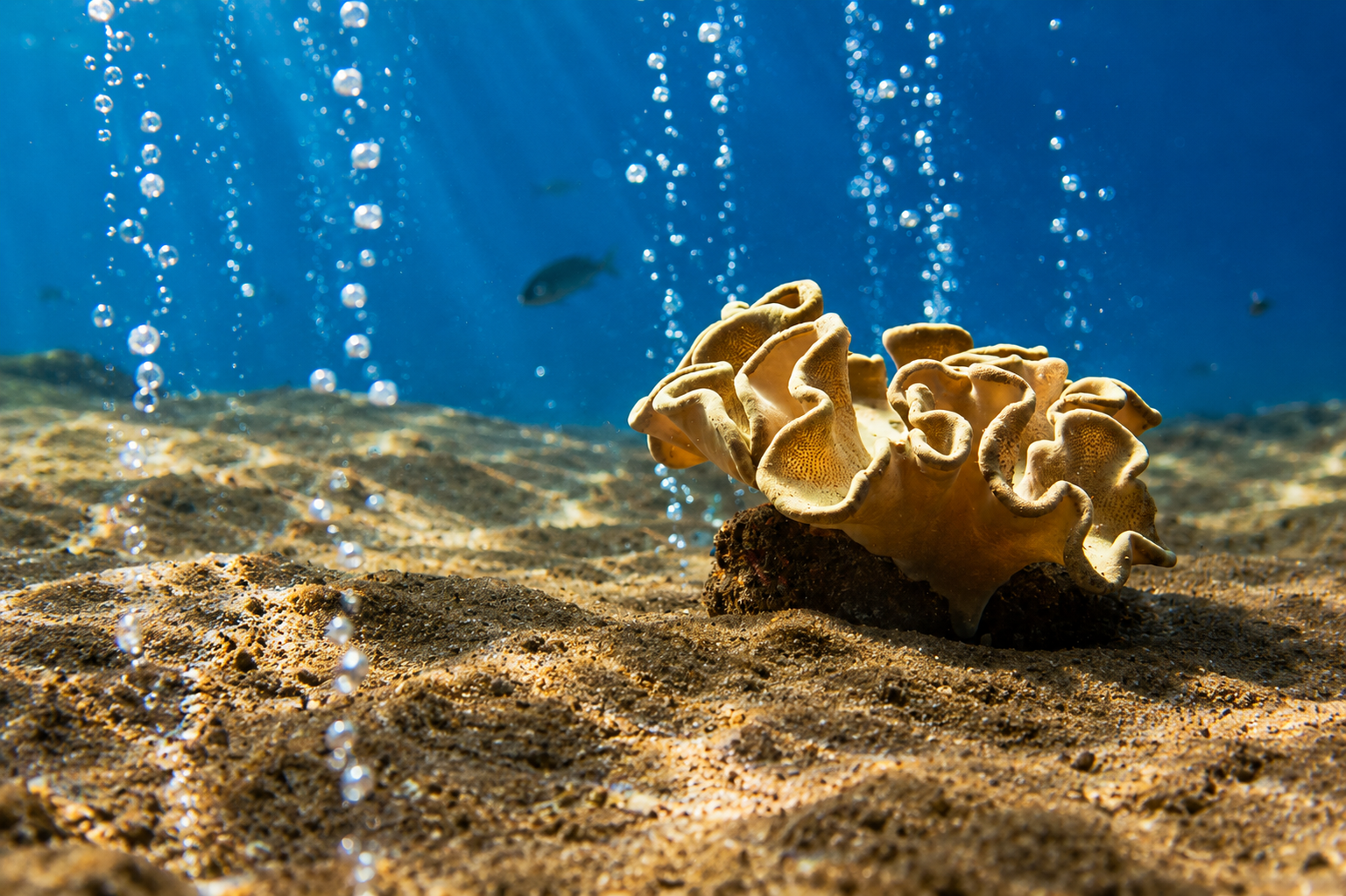
Sangeang is an active volcano off Sumbawa’s northeast coast. At Bubble Reef, volcanic vents send streams of bubbles through black sand, creating a distinctly different underwater scene for macro and wide-angle photography.
Beyond diving in Sumbawa
Snorkeling in Sumbawa
At Teluk Saleh, whale shark encounters can be experienced from the surface when conditions and animal positioning allow. Other snorkeling is selected site by site, rather than assumed across every dive stop.
Above water
Mata Jitu Waterfall on Moyo and Satonda’s hypersaline crater lake give the crossing a sense of place beyond the reef. At Satonda, flying foxes can leave the forest canopy at dusk in a single wave.
Best time to travel Sumbawa
Mari sails Sumbawa year-round, commonly as part of a route with Komodo. The right departure depends on the itinerary, weather and the balance of experiences you want.
Saleh Bay whale sharks have a source-backed season of April to November, but sightings are wildlife-dependent and no encounter should be promised. Moyo access is generally best from April to December, with January to March more exposed to strong westerly winds.
The current Mari route is planned around the season, weather, sea conditions and the group. Check the itinerary for the exact ports and the individual islands included on your departure.
How to get to Sumbawa
Mari’s finalized Sumbawa–Komodo crossings use Badas harbor near Sumbawa Besar as one end of the route and Labuan Bajo as the other. On the current 9-night westbound itinerary, guests disembark at Badas and transfer to Sumbawa Besar Airport (SWQ).
For domestic flights within Indonesia, we recommend checking Traveloka.com, which offers a convenient overview of available Indonesian airlines, routes, and fares.
The direction can reverse, so confirm the start and end port before booking flights. Contact us for travel-arrangement advice.
Best Sumbawa itineraries
Mari’s current Sumbawa–Komodo crossings run for nine or 11 nights between Badas, Sumbawa Besar and Labuan Bajo. The longer route creates more room for Moyo, Teluk Saleh, Satonda and Sangeang before the journey enters Komodo National Park.
Choose by duration, direction and the balance you want between Sumbawa’s whale shark and volcanic-island chapters and Komodo’s more current-led diving. The route cards and upcoming trips below carry the current details and availability.
Sumbawa highlights
Highlight/01
Search for whale sharks in Saleh Bay
Traditional bagans attract whale sharks beneath the platforms during the season.
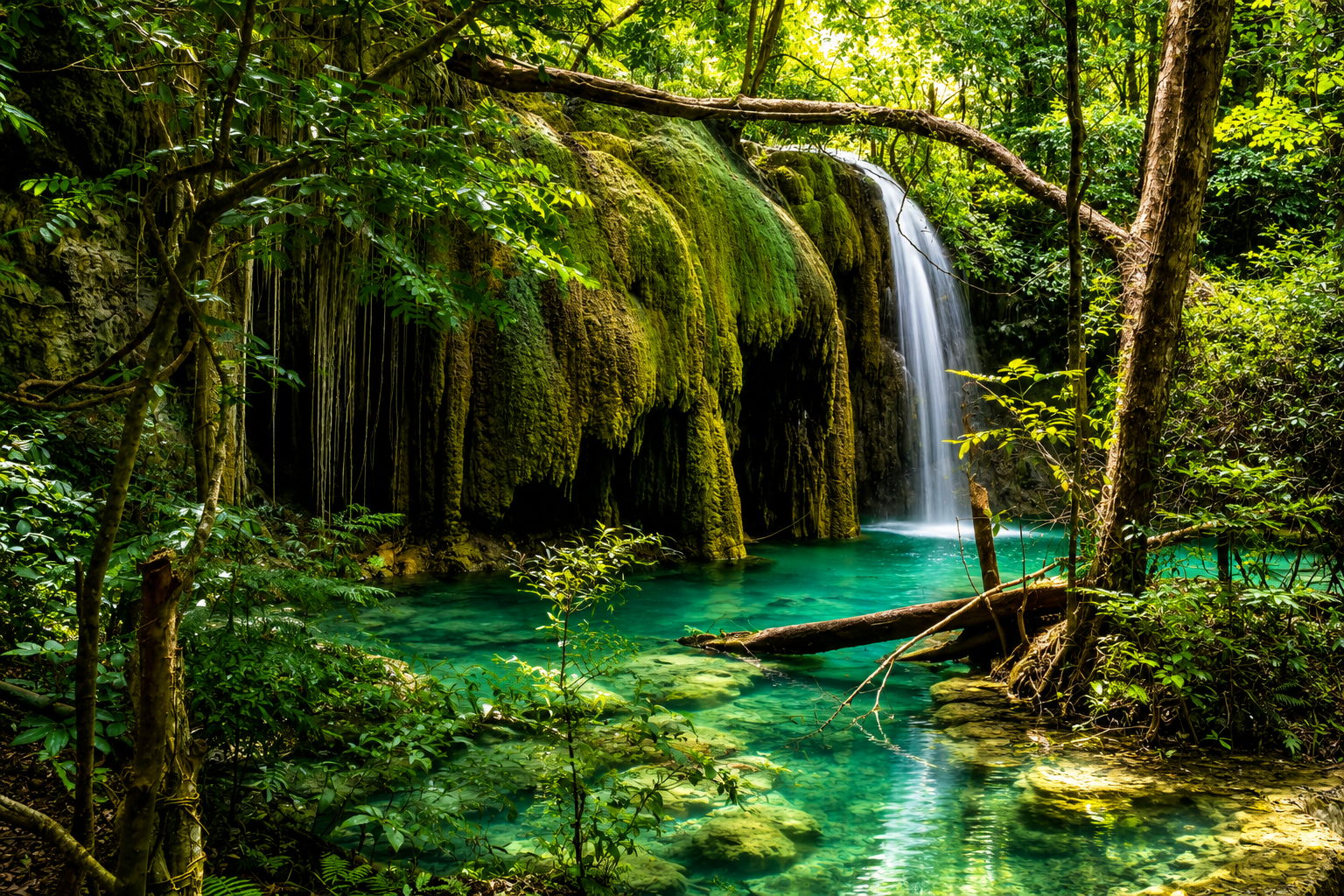
Swim at Moyo’s Mata Jitu Waterfall
Moyo brings coral slopes, reef life and the Mata Jitu Waterfall excursion between dives, giving the crossing a sense of place beyond the reef.
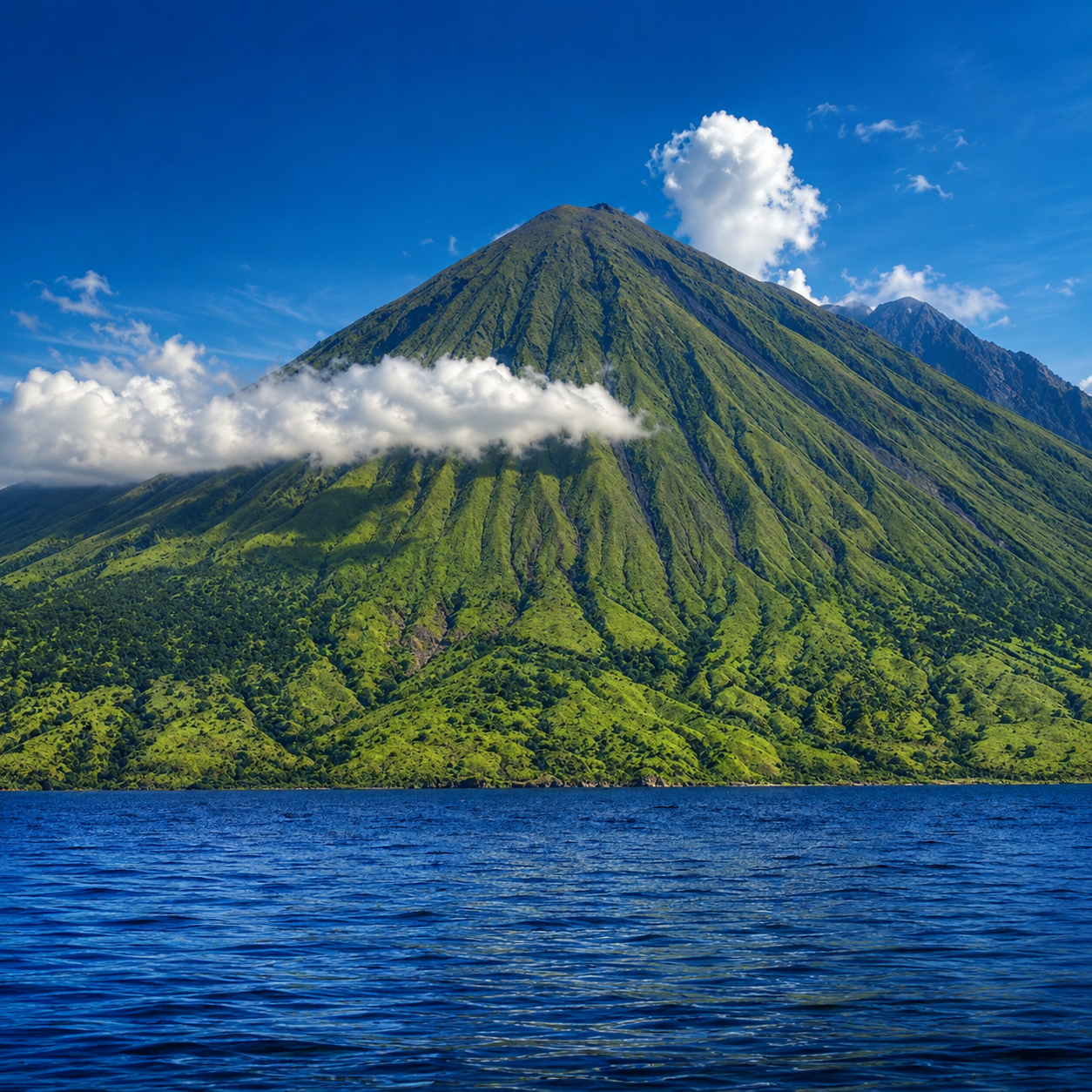
Dive an active volcano at Sangeang
Black-sand slopes and volcanic bubbles make Sangeang a distinct macro and wide-angle stop.
Discover the Best
Sumbawa liveaboard itineraries
Availability
Upcoming Sumbawa liveaboard trips
Book directly through our scheduling partner to view real-time availability and reserve your cabin.
View all trips
Good to know
Sumbawa FAQ
Read All FAQSumbawa combines sheltered whale shark bagans, coral reefs, volcanic dive sites and macro life across several distinct island areas. Conditions vary by area and site.
Mari requires Open Water certification plus 30 logged dives for Sumbawa. Site conditions still vary, so the team will match the day’s plan to conditions and the group.
Current varies by area. Teluk Saleh is sheltered, while exposed reefs around Moyo and other sites can bring drift conditions and stronger movement.
Seasonal whale sharks in Teluk Saleh, reef fish, turtles, reef sharks, macro life, occasional manta rays at Satonda and volcanic-site critters at Sangeang are all possible. Wildlife encounters are never guaranteed.
Mari sails Sumbawa year-round, commonly combined with Komodo. Saleh Bay whale sharks have a source-backed season of April to November.
Around Moyo, Teluk Saleh and Satonda, water is typically 27°C to 28°C (81°F to 82°F). Sape Strait conditions are separate and should not be generalized across the destination.
Mari’s minimum is Open Water certification plus 30 logged dives. Teluk Saleh is calmer than many exposed reefs, but suitability still depends on the day’s site and conditions.
Yes. Sumbawa’s reefs and volcanic sites offer macro life, including nudibranchs, frogfish and other small creatures; Sangeang is particularly distinctive for its black-sand volcanic setting.
The port varies by itinerary and direction — Sumbawa routes use Badas near Sumbawa Besar, Labuan Bajo or Maumere. Check the individual itinerary in our Schedule & Rates before booking flights.
Sumbawa Besar Airport serves Badas, while Labuan Bajo and Maumere serve the other ends of these routes. Which one you need depends on the itinerary, so check it in our Schedule & Rates before booking.
Mari sails Sumbawa year-round, commonly combined with Komodo. Moyo access is generally best from April to December, while Saleh Bay whale sharks have an April-to-November season.
Moyo access is generally best from April to December. January to March can bring strong westerly winds and rougher seas.
Bring your own mask and any personal dive equipment you prefer to dive with, exposure protection for 27°C to 28°C (81°F to 82°F) water in the north-west cluster, sun protection, a dry bag and essential medication. Pack for a mix of diving, short hikes and island stops.
Teluk Saleh can be excellent for surface whale shark encounters when conditions and animal positioning allow. Other snorkeling is planned site by site.
Sumbawa offers whale shark snorkeling, Mata Jitu Waterfall, Satonda’s crater lake and island scenery, so it can add value for non-divers on a suitable itinerary.
Marine park and port fees vary by departure. See Schedule & Rates for the fees that apply to your itinerary.
Sail Sumbawa in comfort
About the boat
Mari
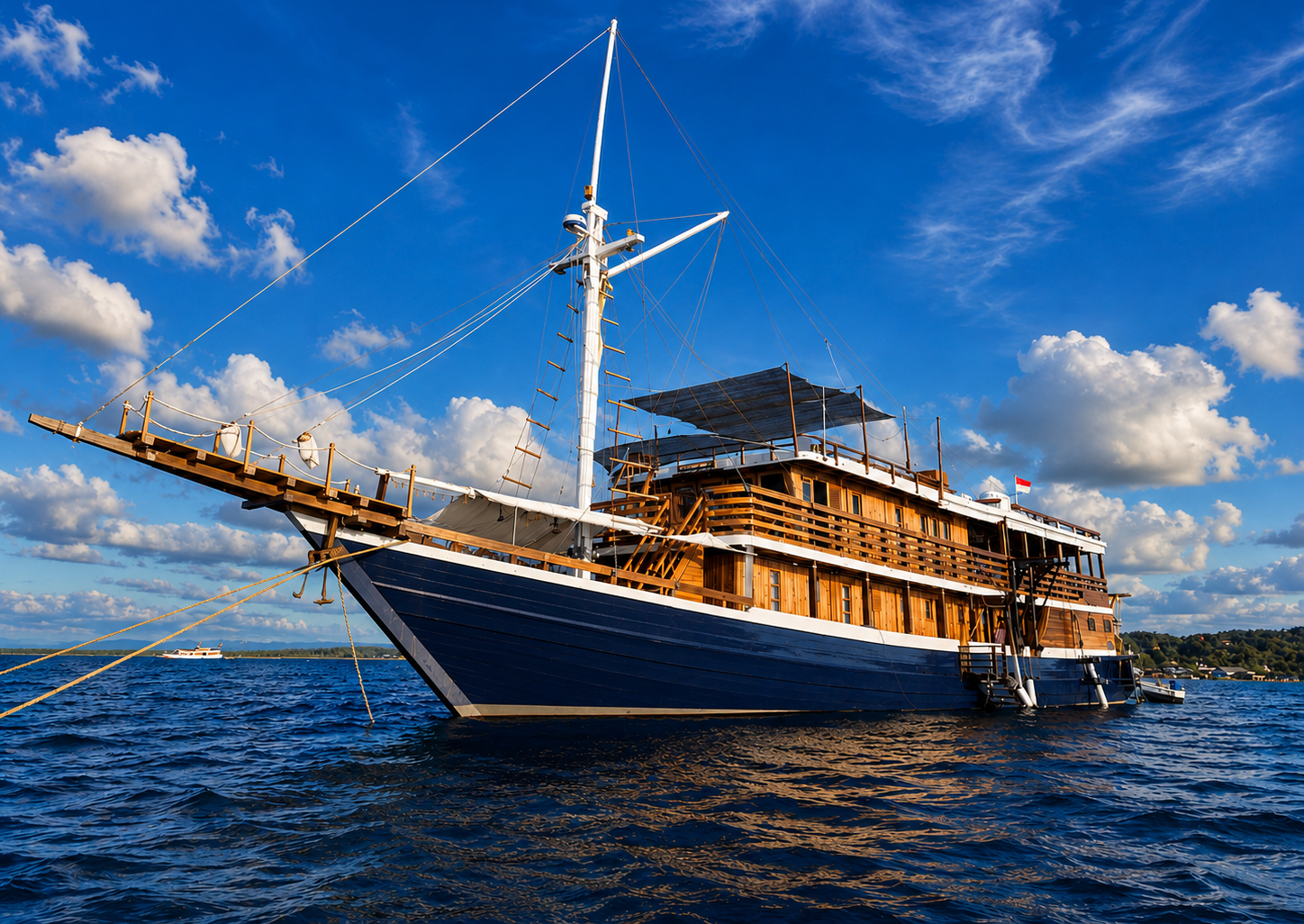
30m · 7 cabins · 14 guests · 14 crew
Built by the boatbuilders of South Sulawesi, Mari is a 30m traditional Indonesian phinisi liveaboard designed for scuba diving andexploration.
She carries up to 14 guests in seven sea-view ensuite cabins, all on the main deck, combining the character of a wooden sailing boat with the all the amenities that a diver would need to unwind between dives.
Book your Mari Liveaboard trip
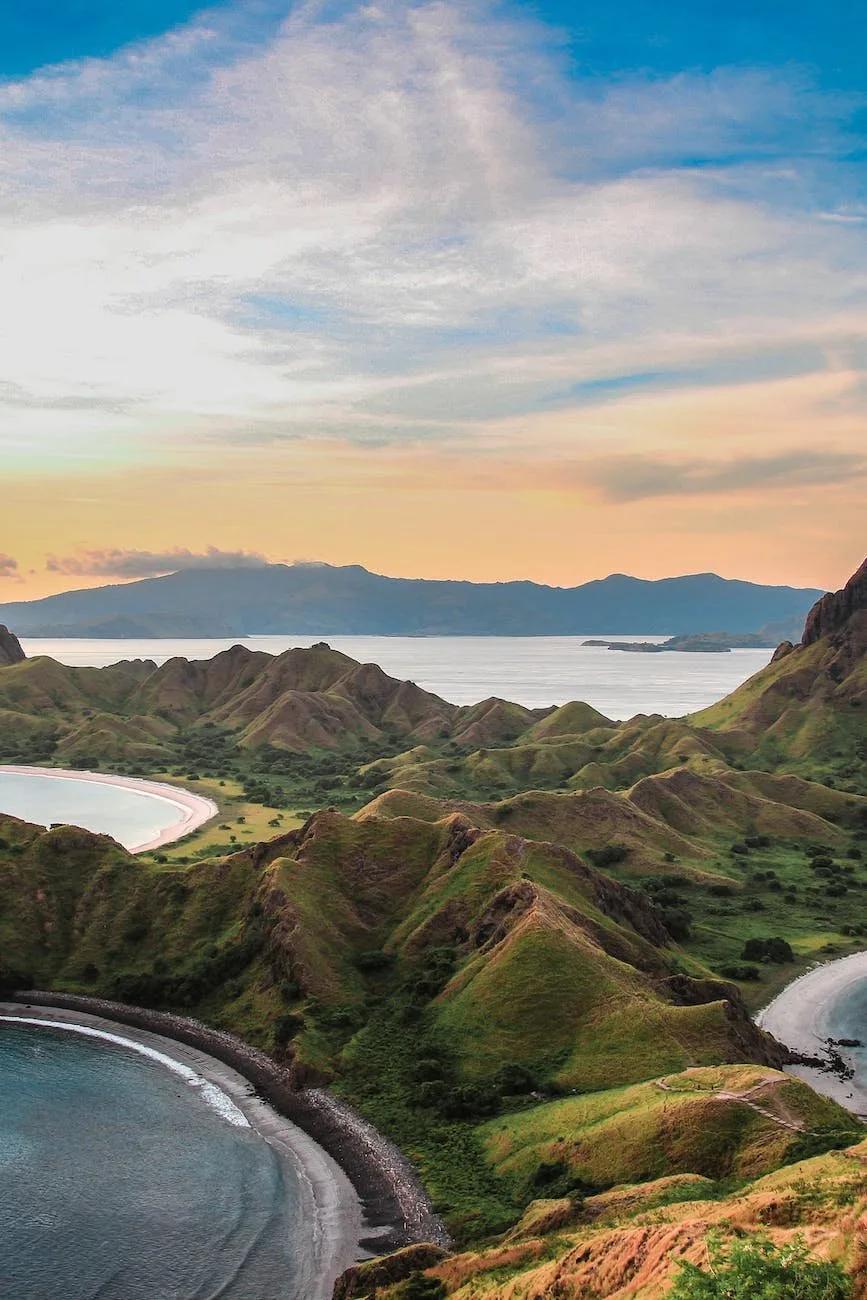
Book a private charter
Charter Mari for a private liveaboard shaped around your group. Sail with up to 14 guests and enjoy the flexibility to plan a route that suits the way you want to dive.
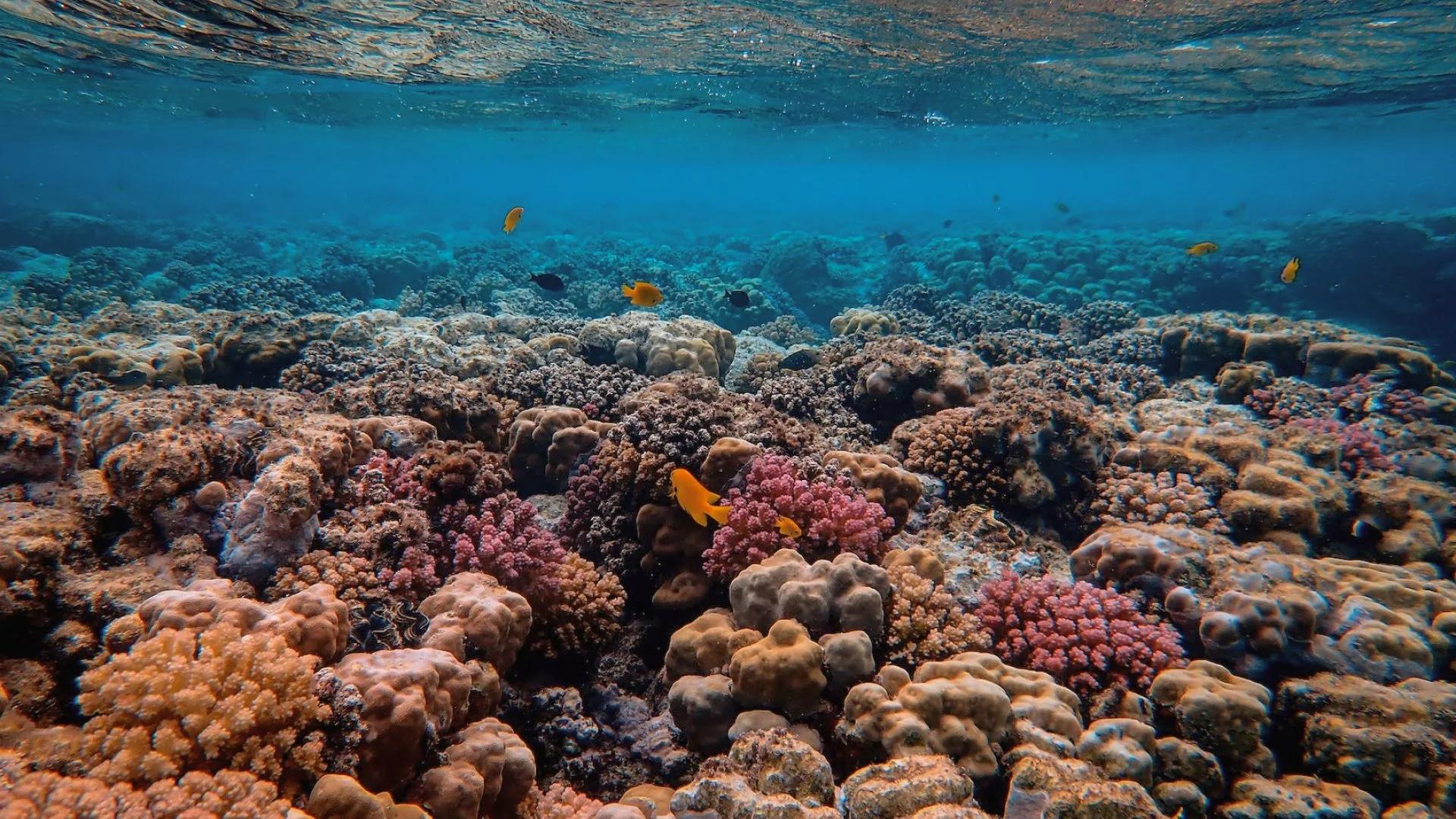
Join a shared diving trip
Join a scheduled Mari departure and dive Indonesia's defining regions alongside fellow dive enthusiasts.
Our journal
Sumbawa articles & news
More blog posts
Contact us
Talk to us
Whether you are comparing destinations, checking a departure, planning a private charter or simply want to know more about Mari, our team is here to help.