Komodo Liveaboard
Current-driven diving, manta encounters, and Komodo dragons.
Komodo Liveaboard Indonesia Overview
The best of Komodo, above and below water
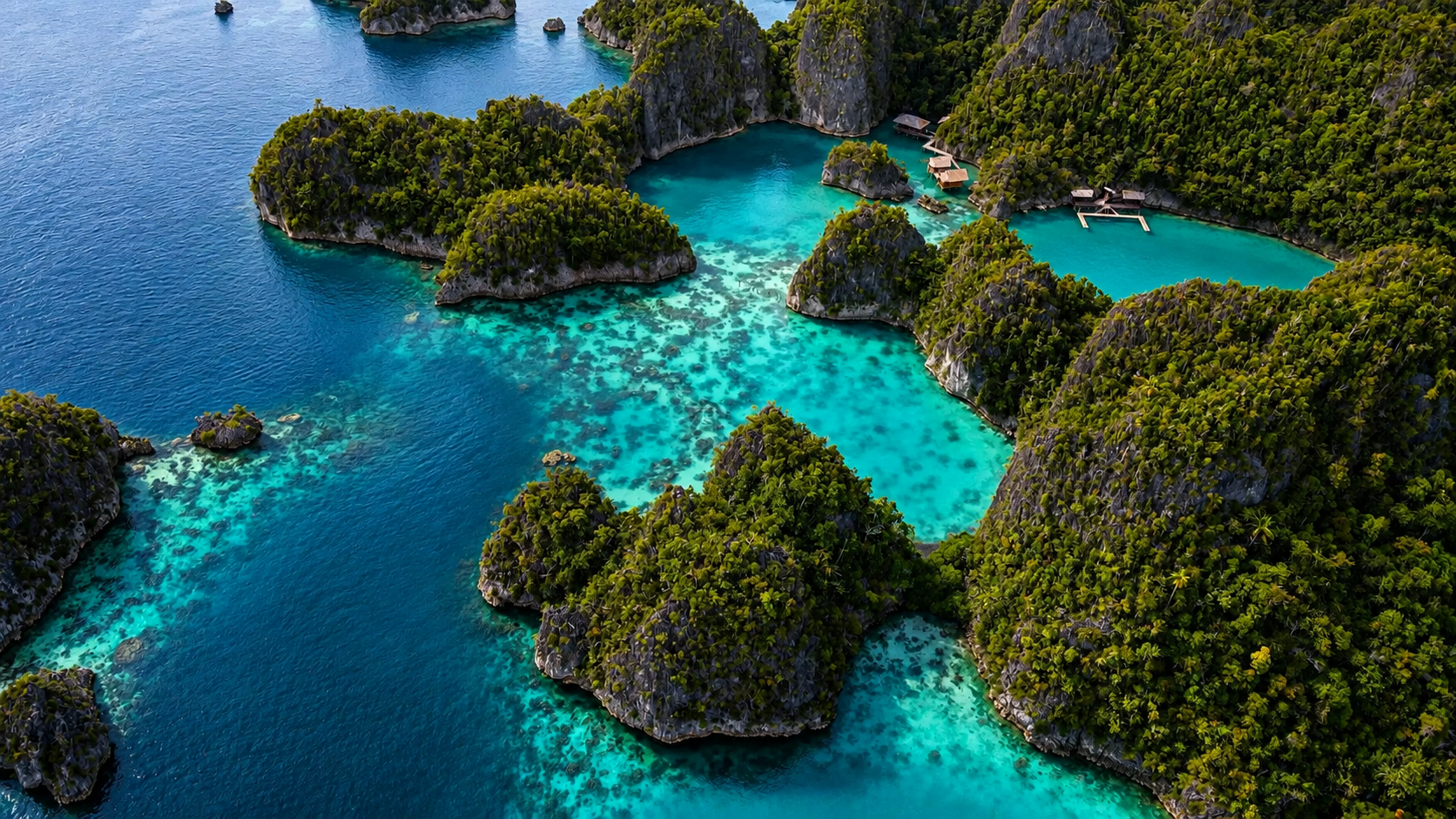
Action-packed diving amid the Coral Triangle’s rich marine biodiversity, colorful reefscapes, scenic volcanic islands, pink-sand beaches, and the Komodo dragon are only some of the reasons a Komodo liveaboard trip is a dream for many.
By sailing Komodo on a liveaboard, you have room for the journey to unfold: dive across different regions of the park, step ashore for a beach or dragon walk, and enjoy the quieter moments at sea between them.
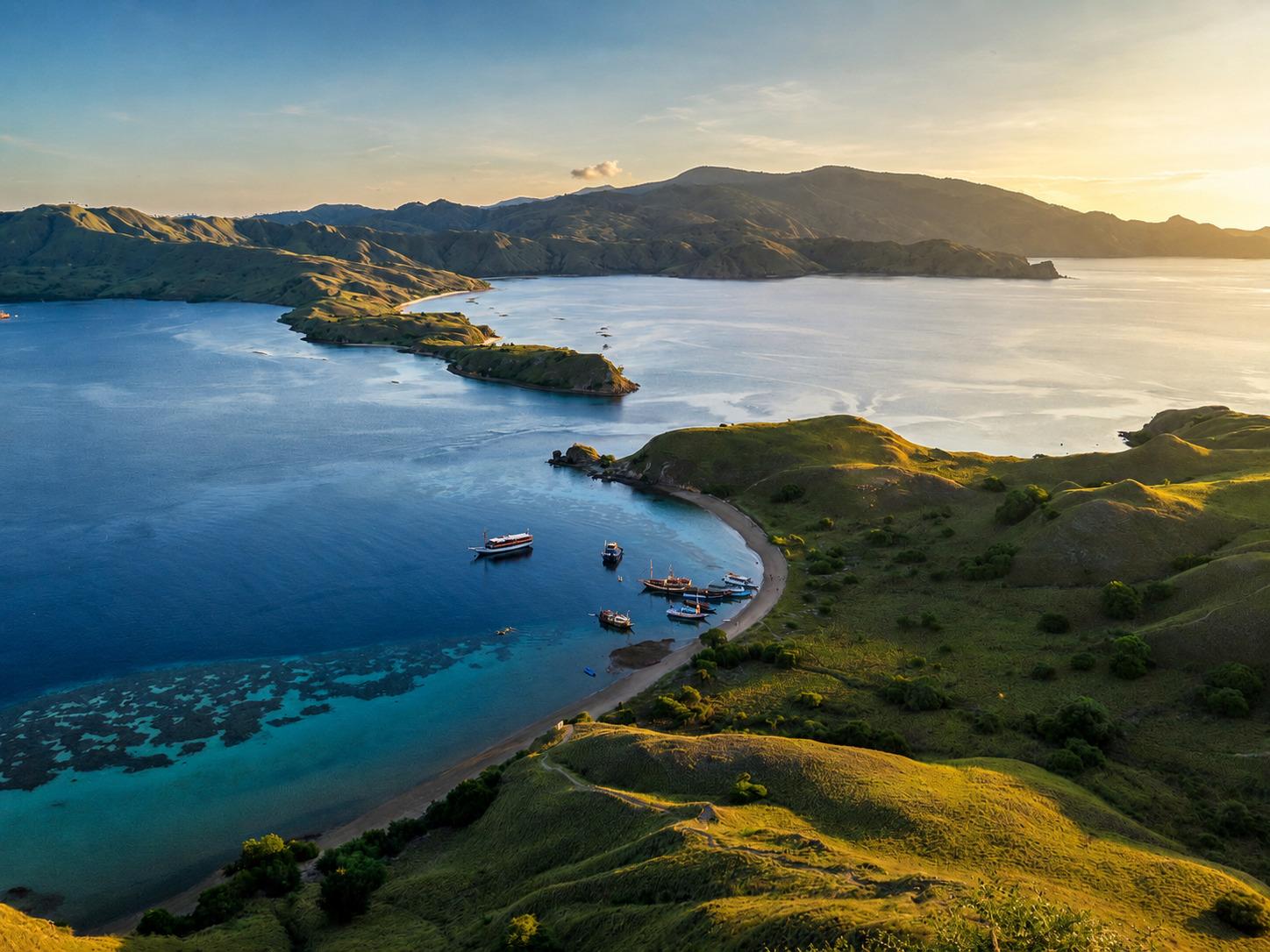
Across the Komodo Islands, dry savanna hills, rugged ridgelines, and bright beaches sit close together. A liveaboard makes it possible to experience more than one part of the park on the same trip, without rushing through it.
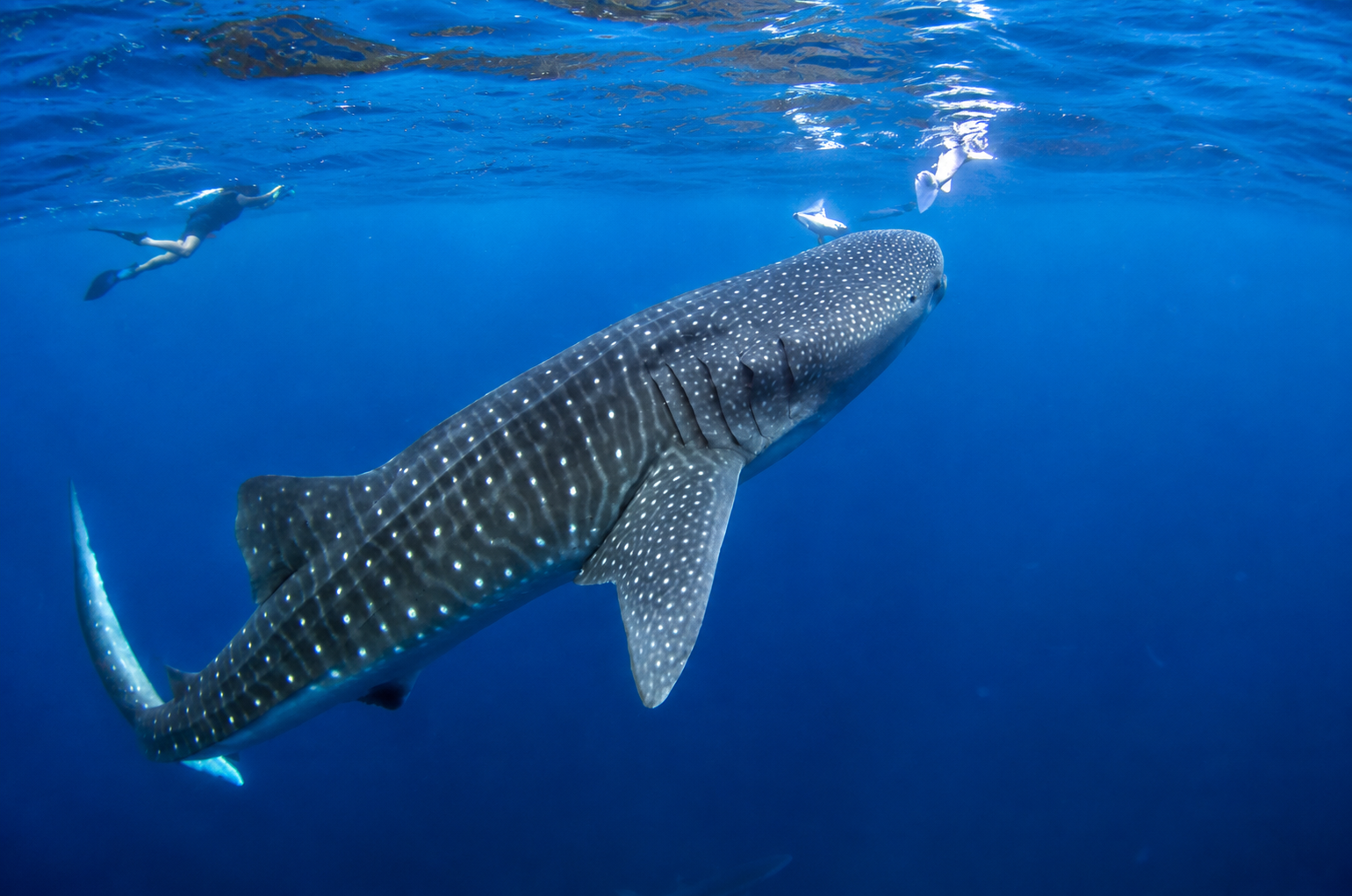
Komodo is also easy to reach, with Labuan Bajo (LBJ) only around a one-hour flight from Bali. Better still, it combines naturally with nearby Sumbawa and its whale shark encounters in Teluk Saleh.
Where is Komodo?
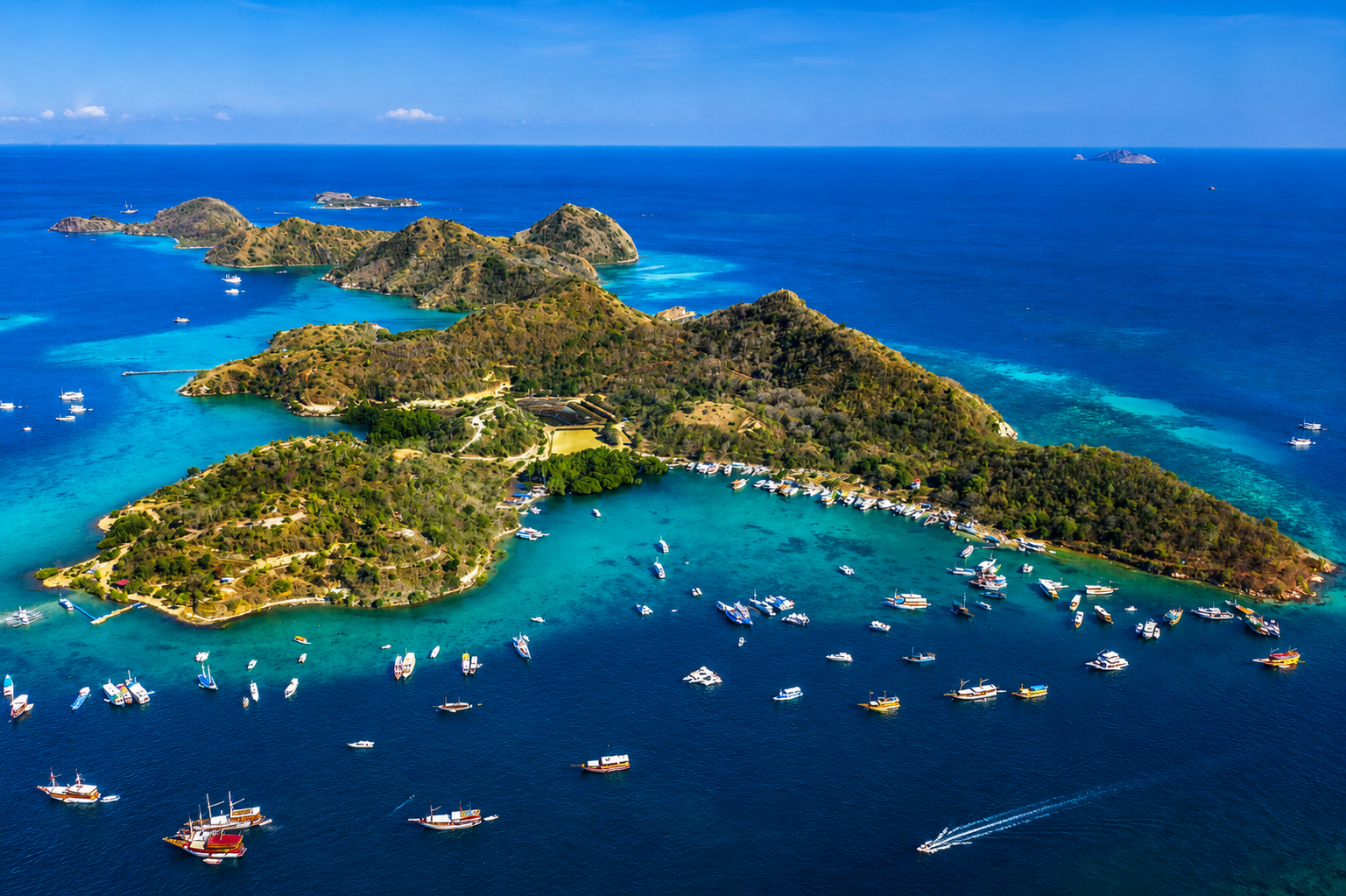
East of Bali, in Indonesia’s East Nusa Tenggara (Nusa Tenggara Timur) province, Komodo National Park sits within the Coral Triangle between Sumbawa and Flores, bordered by waters that connect the Indian Ocean, Flores Sea, and Banda Sea. This UNESCO World Heritage Site brings together rugged volcanic islands, dry savanna, bright beaches, and some of Indonesia’s richest marine ecosystems.
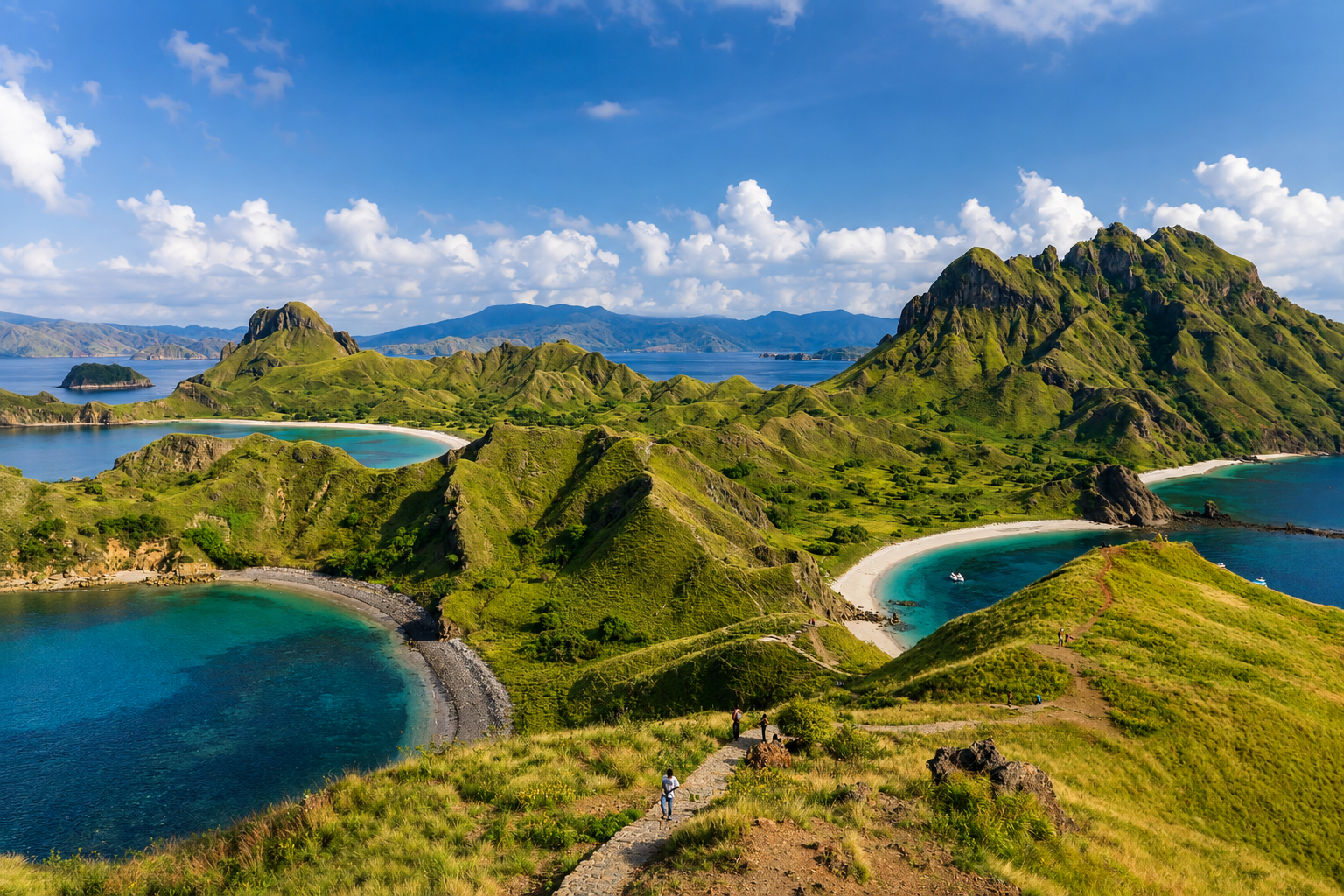
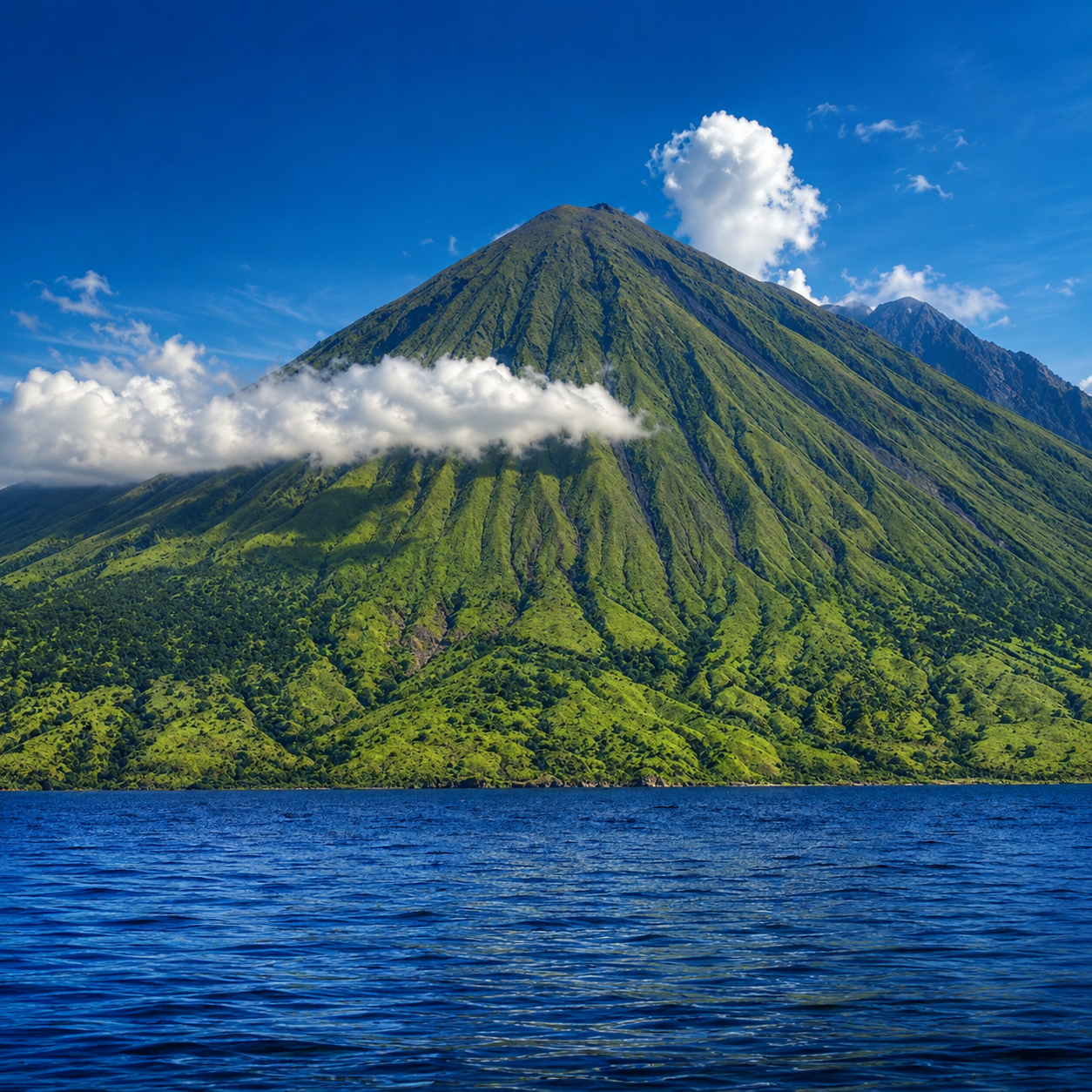
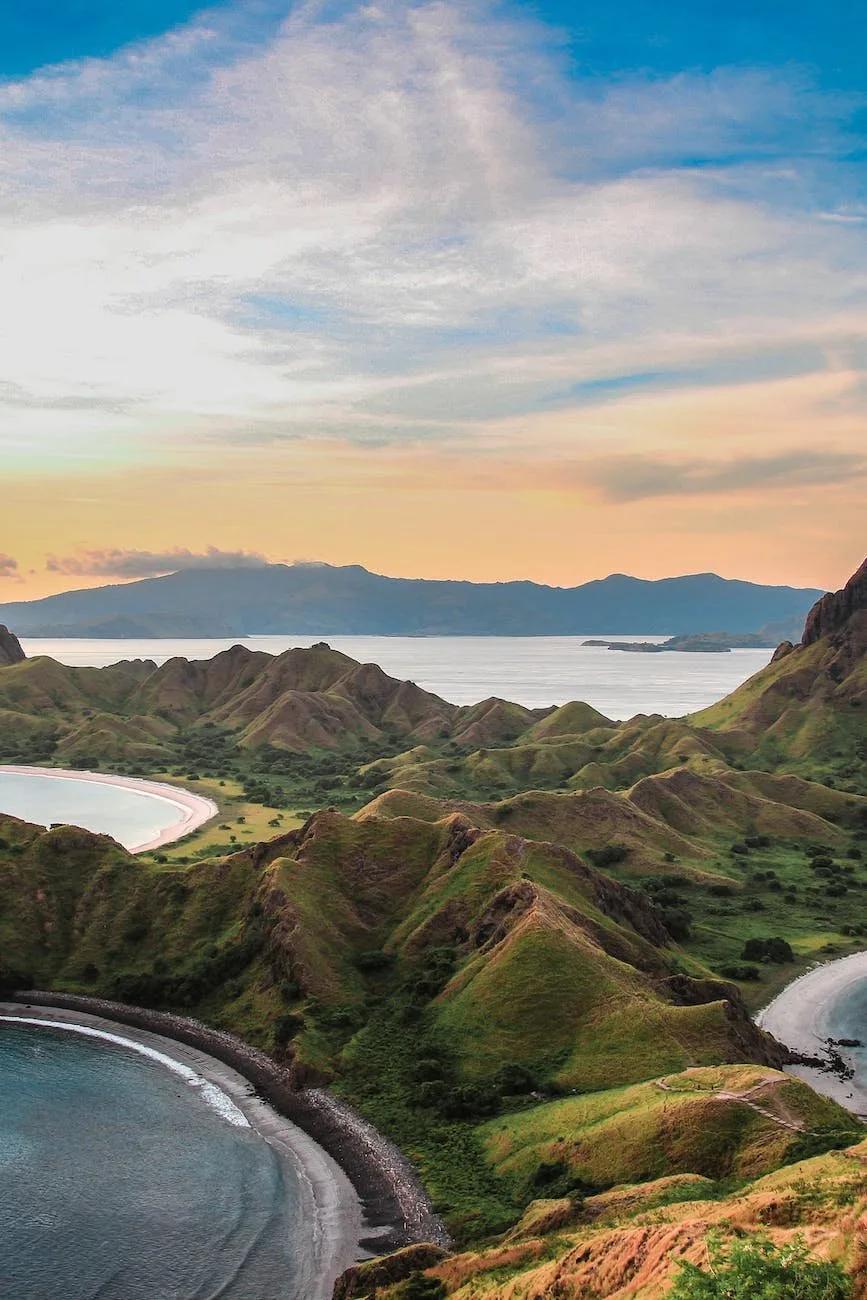
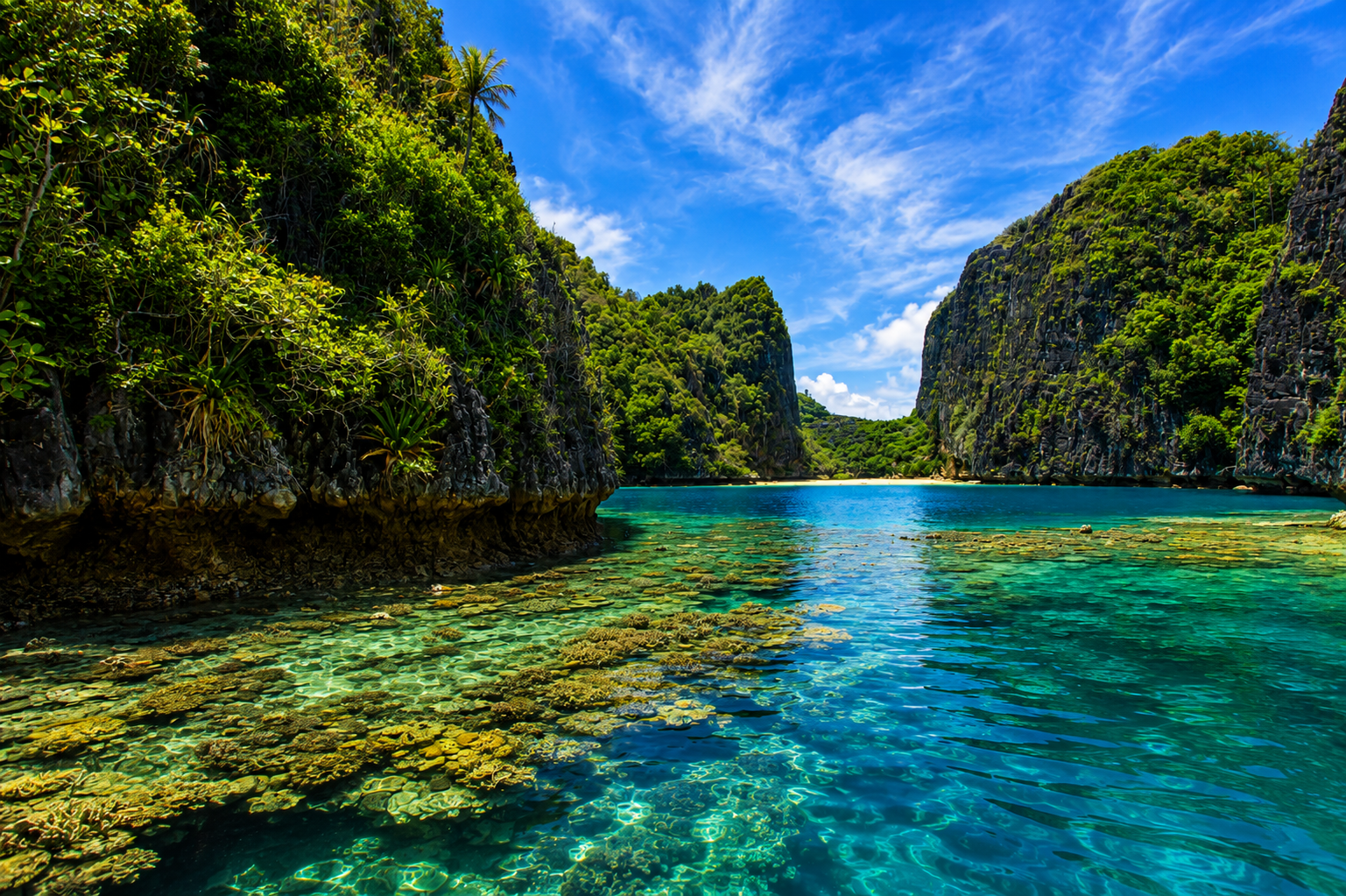
Komodo National Park covers three main islands—Komodo, Rinca, and Padar—plus many smaller islands. Above water, steep ridgelines, dry savanna, and sweeping bays give the archipelago its unmistakable landscape.
Diving in Komodo
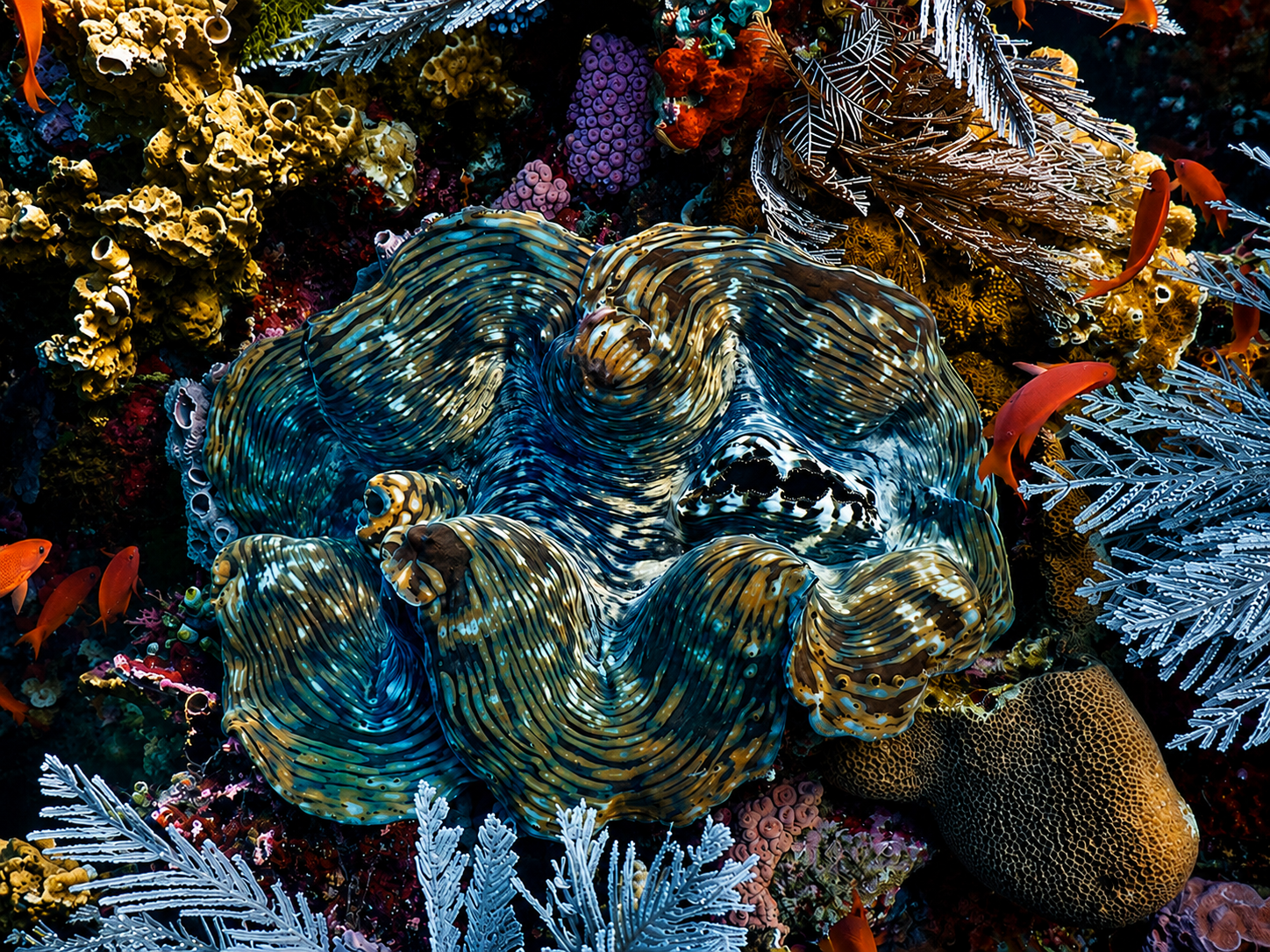
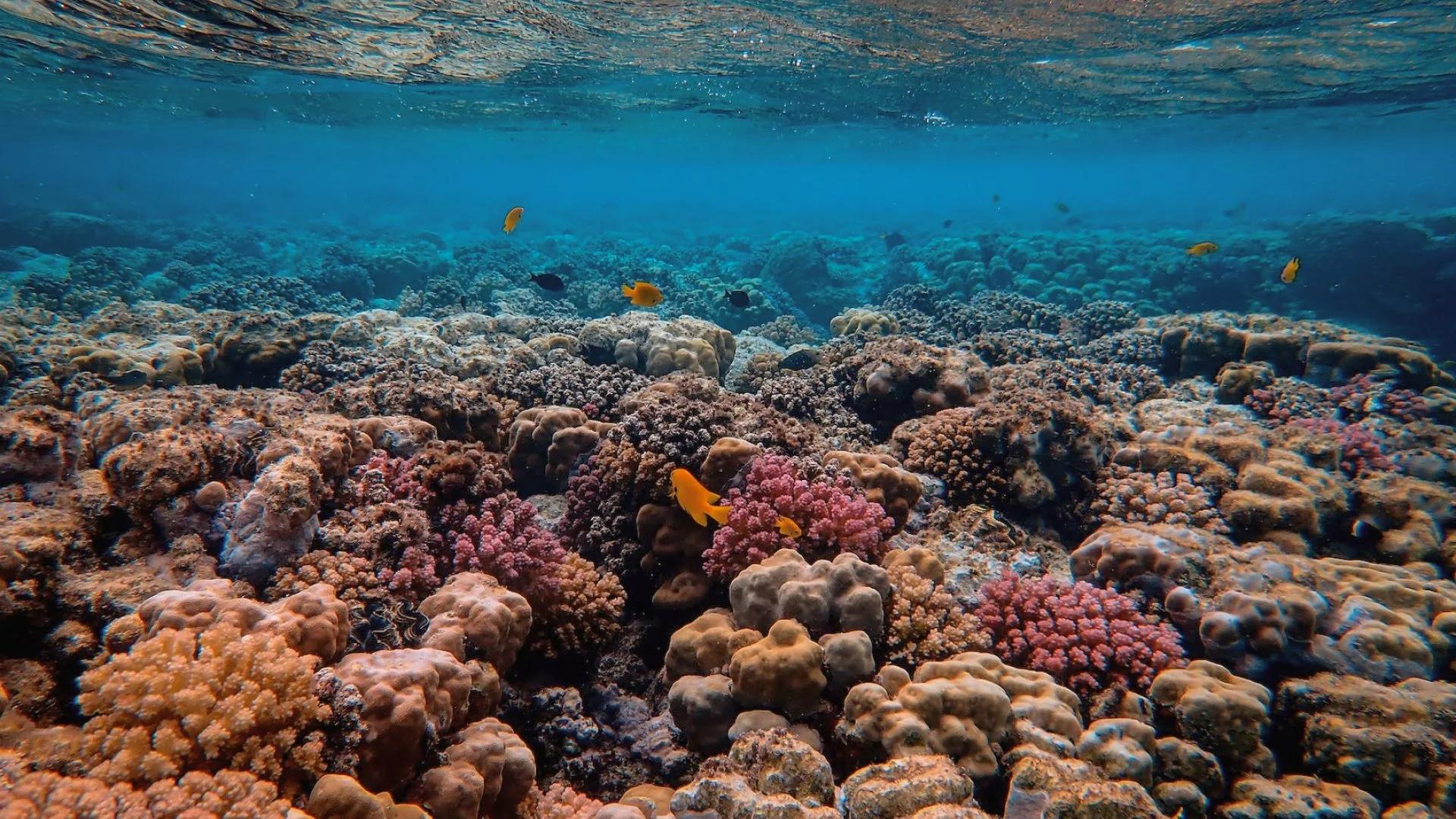
Komodo’s currents are part of what makes the diving so alive. They carry nutrient-rich water through the park, feeding coral reefs, drawing schooling fish and pelagic life, and turning pinnacles and channels into some of Indonesia’s most dynamic dives.
To experience the park more fully, divers should be comfortable in strong, changing currents, where drift diving and negative entries can be part of the thrill. That being said, some sheltered sites offer calmer conditions, giving the dive team room to shape each day around the tide, weather, and experience of the group.
Water temperatures vary by region with North & Central Komodo generally sitting at 27 to 29°C (81 to 84°F), while sites in South Komodo can reach 22 to 24°C (72 to 75°F), depending on the season.
Top dive regions in Komodo
Komodo has more than 30 named dive sites spread across its three main regions, which makes a liveaboard a great way to see and experience the best of everything, hassle-free. On a liveaboard you can move between northern pinnacles, central manta cleaning stations, and the cooler, macro-rich south within one trip.
North Komodo
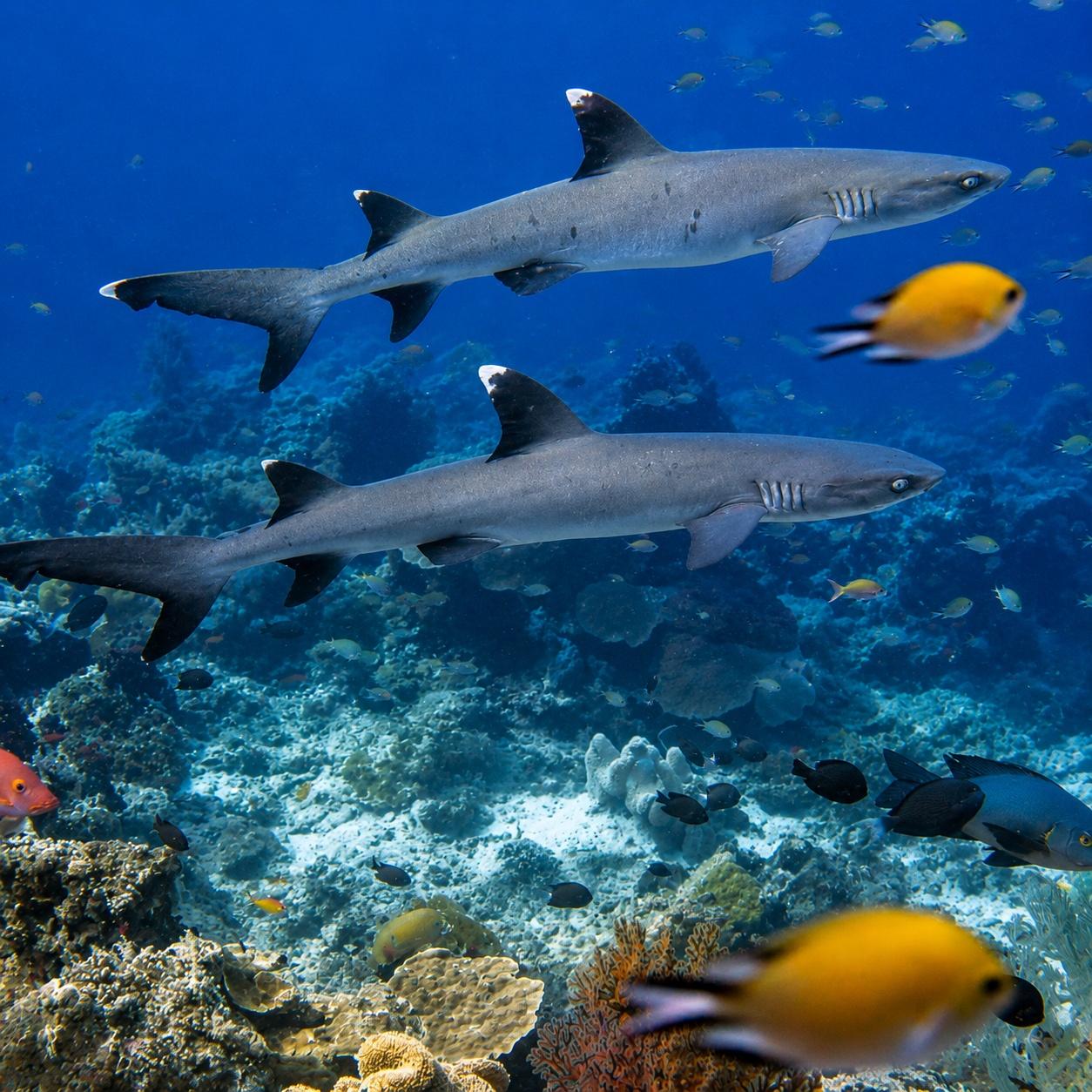
North Komodo brings warm water, clear blue, and lively pinnacles. Sites such as Castle Rock and Crystal Rock can draw schooling fish, reef sharks, turtles, and Napoleon wrasse. It is the part of the park for divers who enjoy open water and decisive entries.
The feeling is expansive: blue on all sides, reef structure below, and dense fish life moving around exposed pinnacles. Clearer, warmer water and the chance for fast, high-energy dives give North Komodo a distinctly open-ocean character.
Central Komodo
Central Komodo is the all-rounder. Batu Bolong erupts with color and marine life, with dense coral, clouds of reef fish, and larger species moving through the blue, while Manta Point is the park’s best-known cleaning-station encounter. It is where wide-angle scenes and smaller finds can easily share the same route.
It is also a reminder that Komodo is not all fast water. Depending on the site and the day, Central Komodo can bring sheltered reef life, coral gardens, and more relaxed time in the water alongside the dynamic dives that Komodo is famous for.
South Komodo
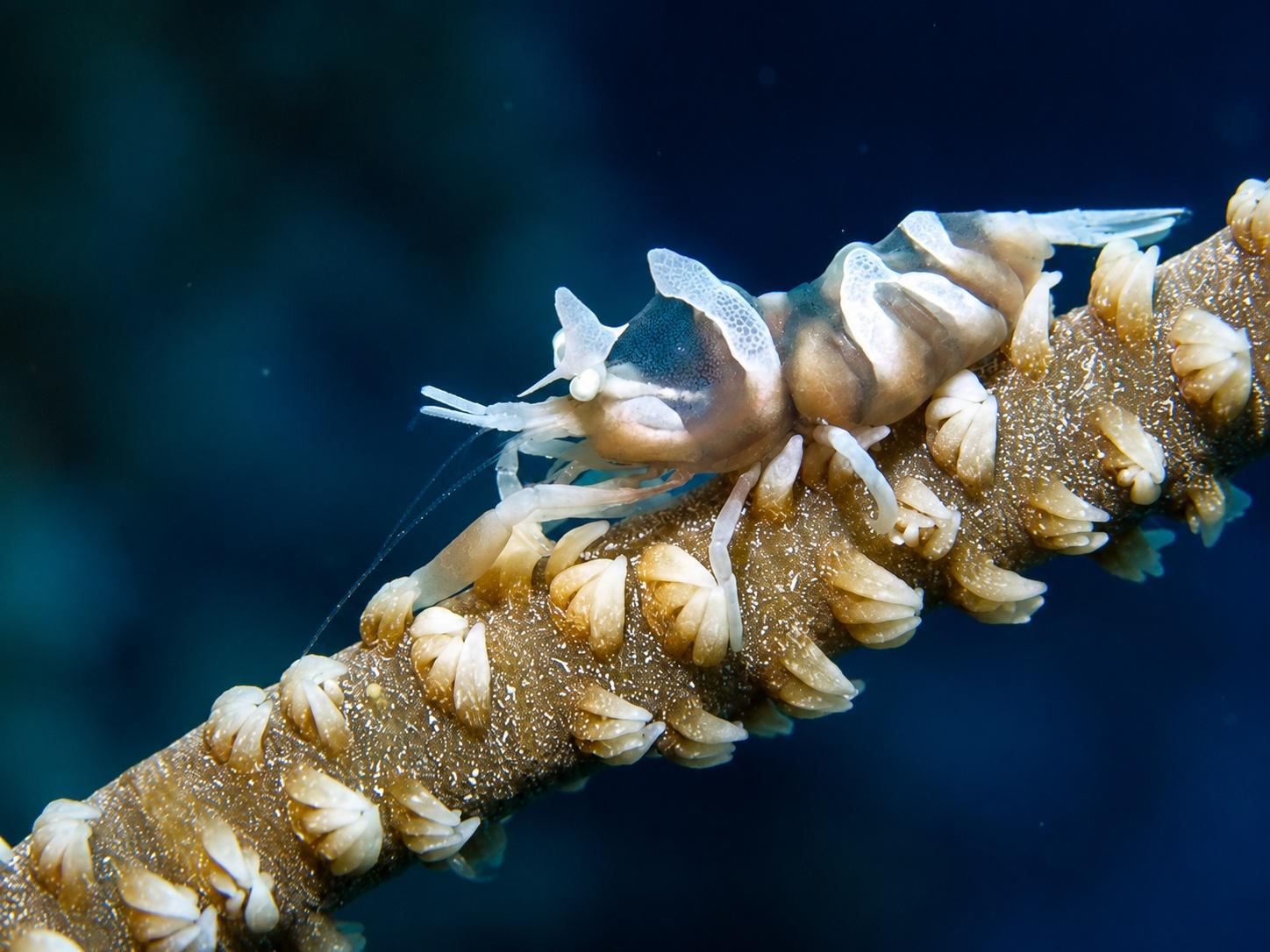
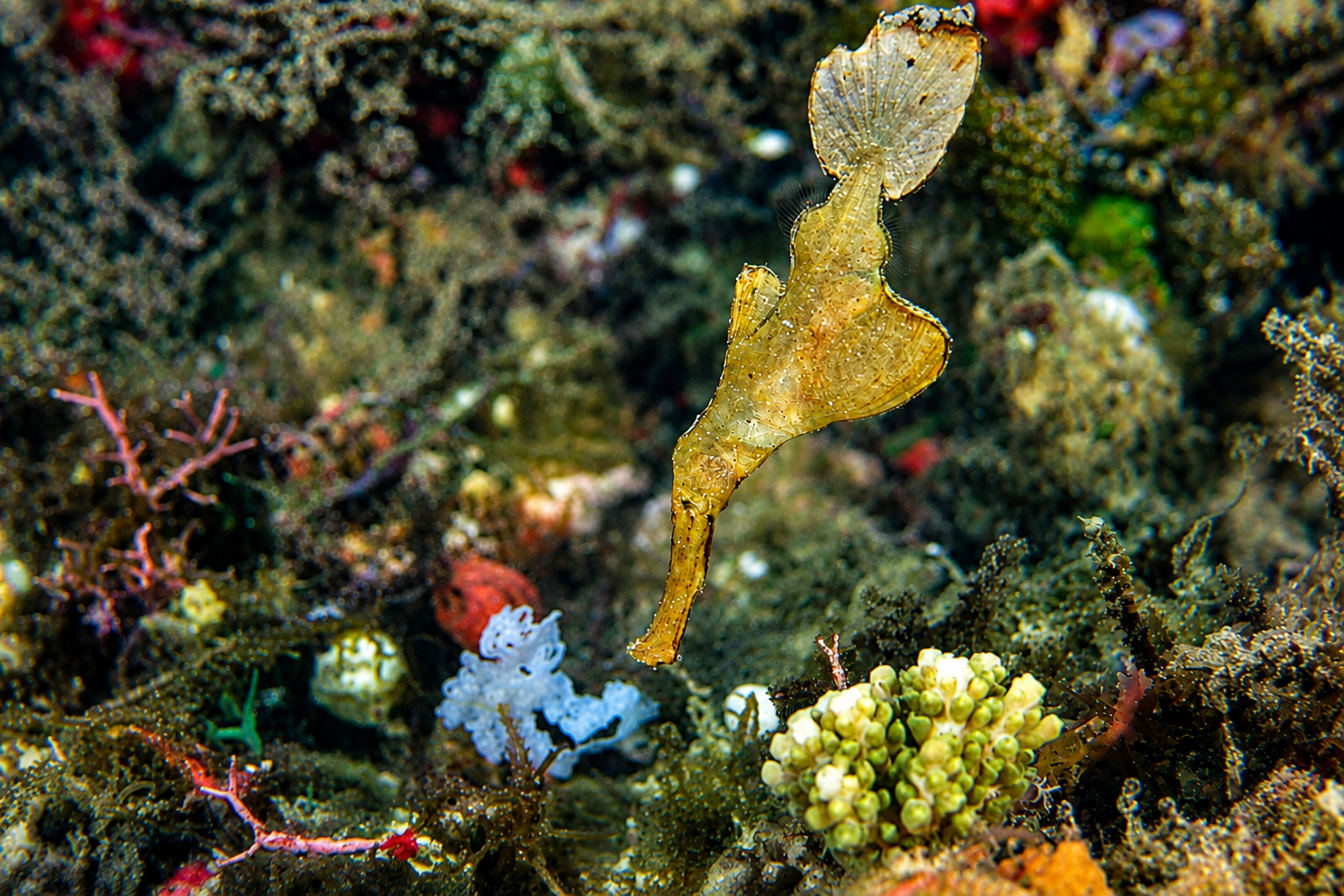
South Komodo brings another side of the park. Manta Alley adds a bigger-scale encounter when conditions allow, while Cannibal Rock and the Three Sisters reward a slower look with frogfish, sea apples, nudibranchs, and other macro life.
The water here is cooler and visibility can be lower, creating a very different atmosphere from the north. Note that access varies by season and conditions.
Marine life in Komodo
Komodo’s currents support an exceptional mix of marine life. Reef sharks, giant trevally, dogtooth tuna, Napoleon wrasse, turtles, and dense schools of fish share the park with smaller subjects such as frogfish, pygmy seahorses, and nudibranchs.
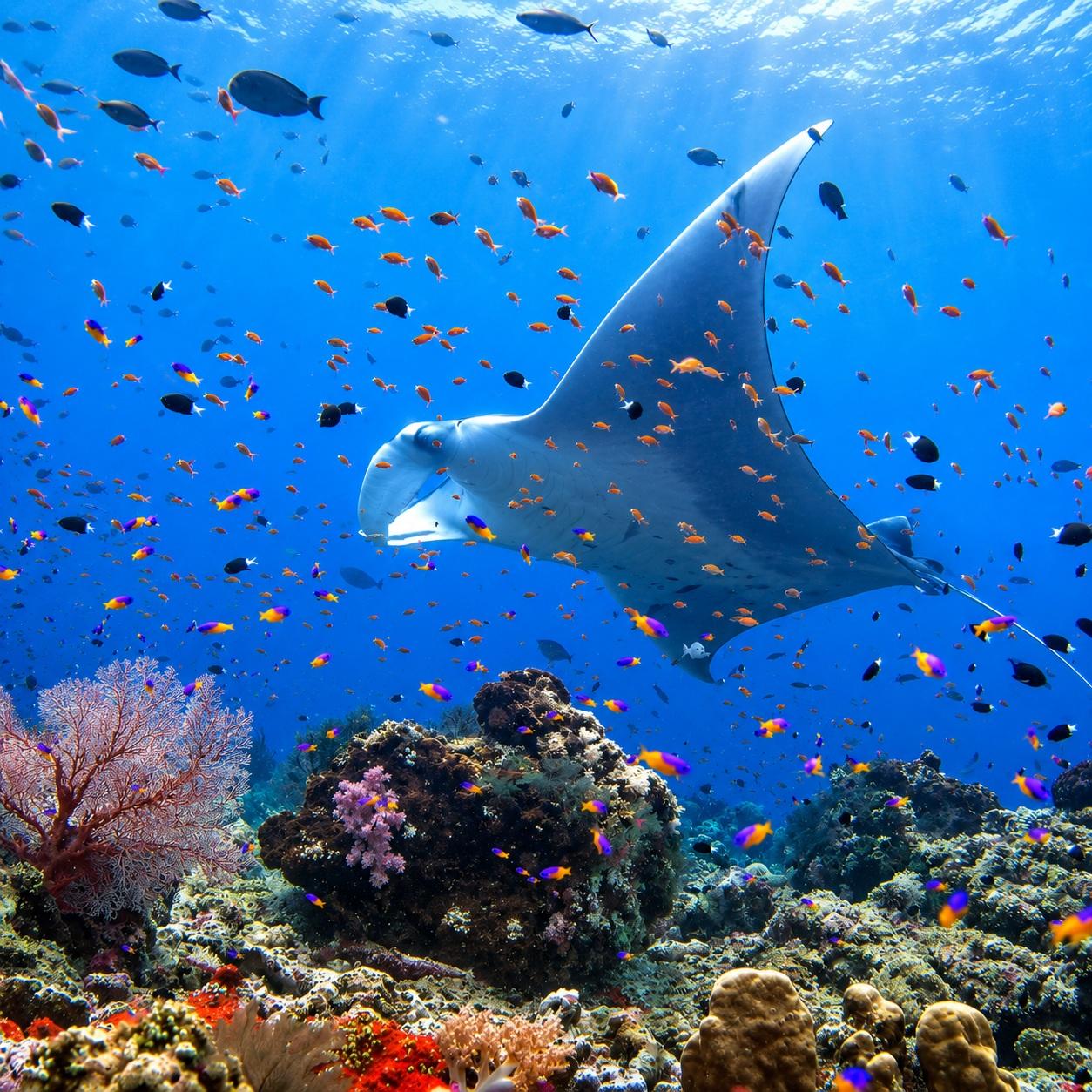
Manta rays are one of Komodo’s defining encounters and can be seen throughout the year, particularly around cleaning and feeding areas in Central Komodo.
Where to dive with manta rays
Manta rays are one of Komodo’s signature encounters, and Mari’s itineraries regularly include Makassar Reef, also known as Manta Point or Karang Makassar, in Central Komodo. Here, manta rays gather around shallow feeding and cleaning areas, making it one of the park’s best-known places to encounter them.
What’s more, while The Cauldron (Shotgun) is primarily known for its exhilarating current-driven drift, manta rays are occasionally seen gliding by.
On itineraries that reach South Komodo, you can also dive Manta Alley, where manta encounters take place in cooler, more exposed waters.
Is Komodo suitable for non-divers?
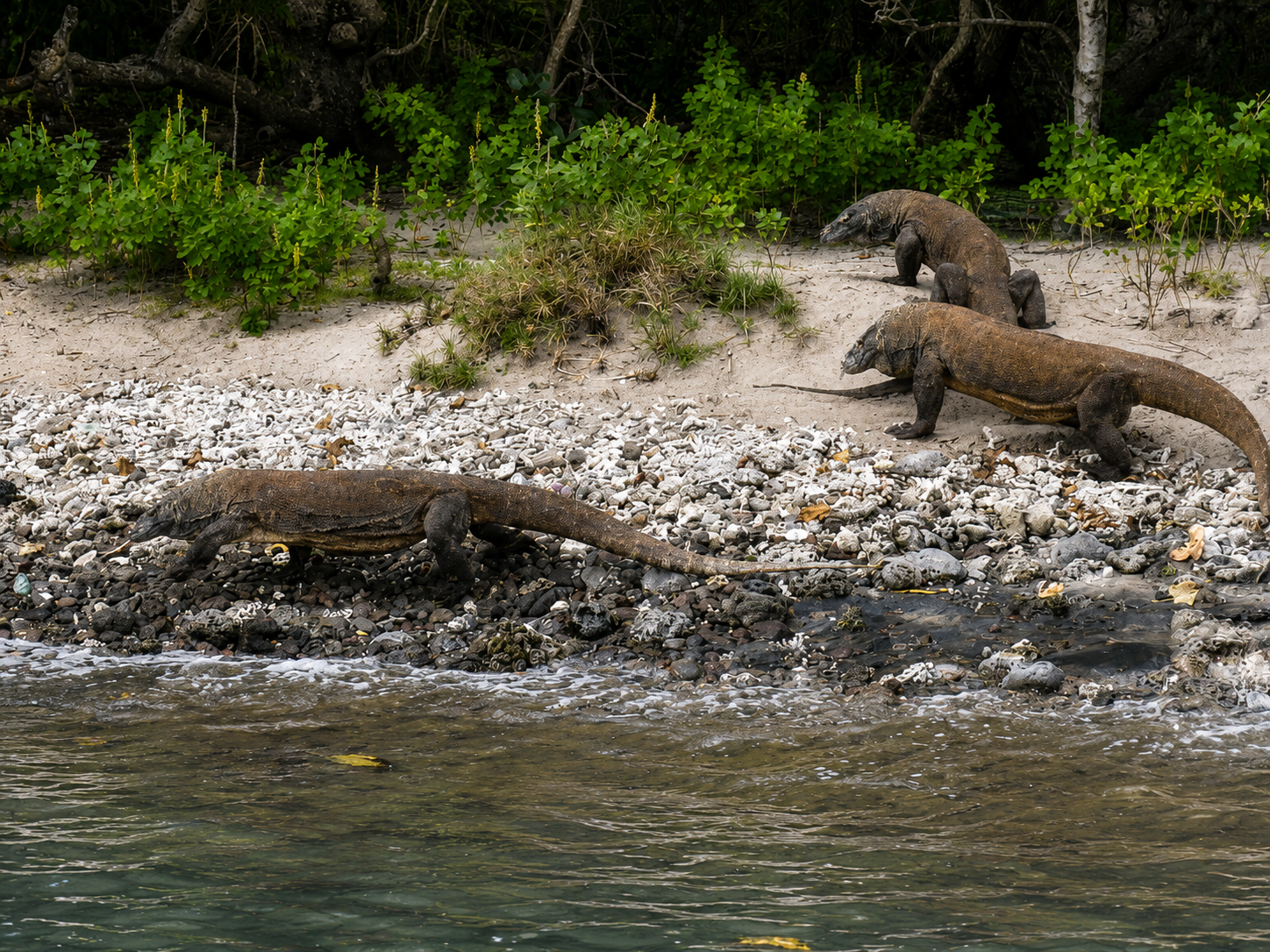
Komodo is not only a diving story. Above the surface, the archipelago is just as distinctive, with dry volcanic ridges, pink-sand beaches, and clear tropical water between the islands. It is also home to roughly 5,700 wild Komodo dragons, found nowhere else on Earth.
Some of the non-diving activities Mari offers:
- Komodo dragon trek: A ranger-guided Komodo dragon trek offers the chance to see the world’s largest living lizard in its natural habitat.
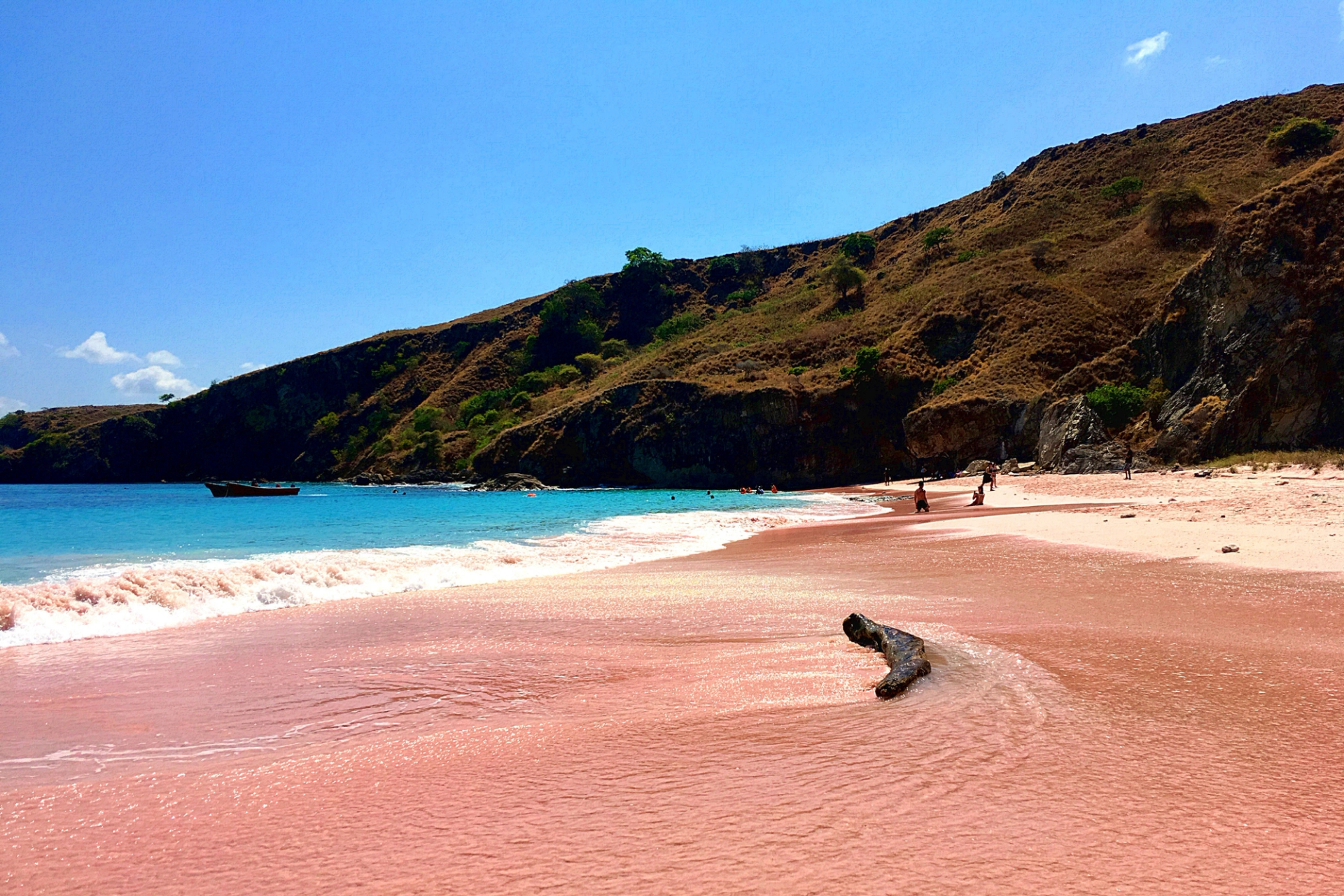
- Pink Beach: Pantai Merah’s coral-flecked sand shades pink against turquoise water, an easy change of pace between dives.
- Padar Island: A hike, typically planned around sunrise or sunset, opens onto the island’s iconic panorama of crescent bays and dry volcanic ridgelines.
Availability of these activities may vary depending on your chosen itinerary and on sea and weather conditions.
Snorkeling in Komodo
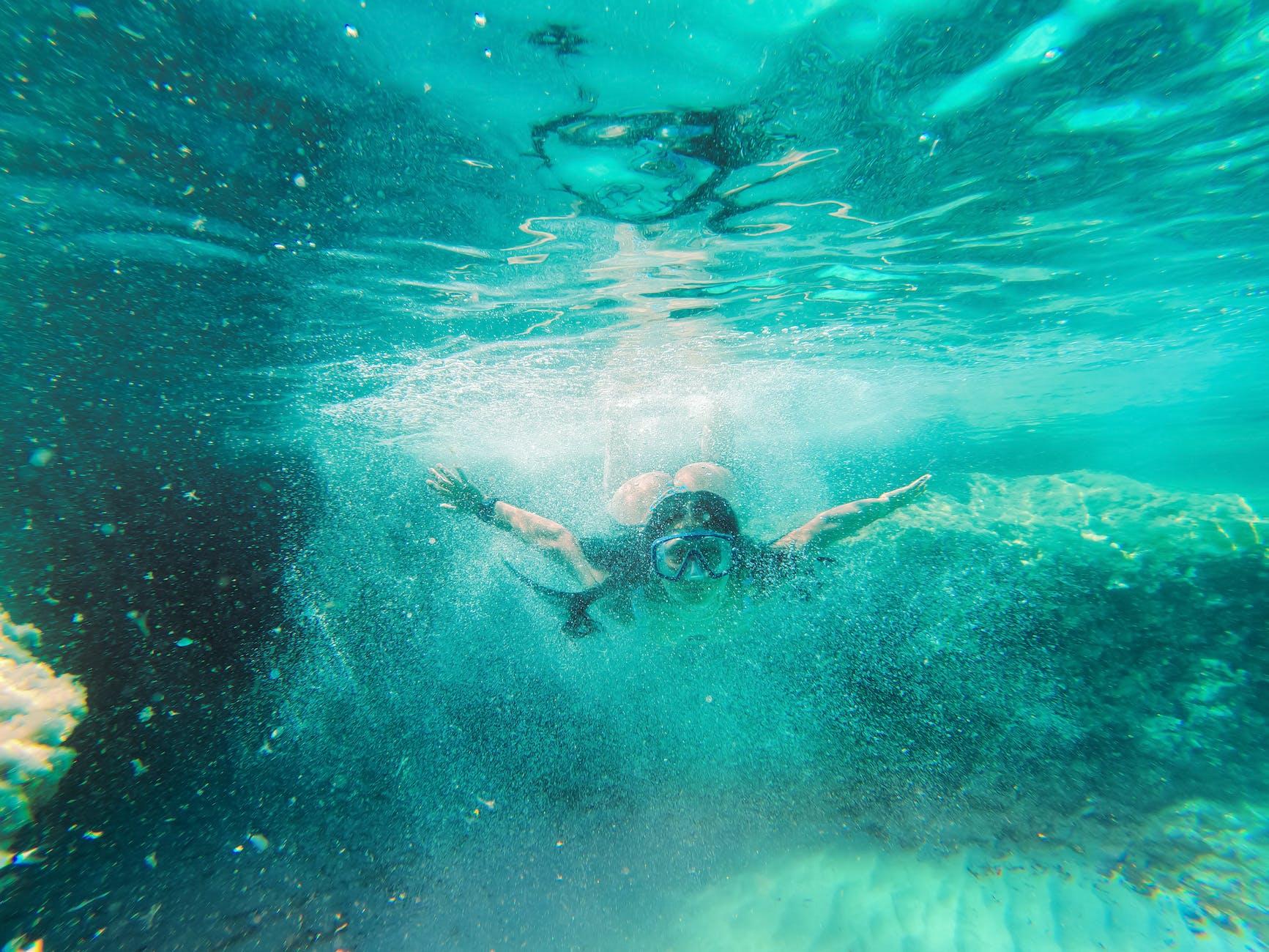
Komodo is a world-class snorkeling destination in its own right. At Makassar Reef (Manta Point) mantas work a sandy bottom between 8 and 20 meters (26 to 66 feet), close enough that a snorkeler floating above gets the same view a diver does.
Beyond the mantas, the sheltered side of the park does the quieter work. Siaba Besar is calm and shallow enough for first-timers, with green and hawksbill turtles resting on coral ledges near the surface. Tatawa Besar and Tatawa Kecil offer coral gardens and an easy drift, and the reef off Pink Beach starts only meters from the sand.
Best time to dive Komodo
Komodo can be dived year-round, but May to September is the prime liveaboard season, when the north and central sites lead the route: the current-driven pinnacles and manta cleaning stations a liveaboard is built to reach.
Topside it is the dry season: warm days around 29 to 32°C (84 to 90°F), little rain, and settled conditions for cruising between islands and heading ashore for the dragon trek, Pink Beach, and Padar.
Underwater, north and central Komodo bring warmer water and good visibility, while South Komodo turns cooler and more nutrient-rich, especially in July and August.
How to get to Komodo
Labuan Bajo (LBJ) is Komodo’s main airport hub. Many international travelers arrive through Bali (DPS), then continue by domestic flight to Labuan Bajo.
Mari’s embarkation and disembarkation points vary by itinerary. Depending on the route, trips may also involve Bali, Sumbawa Besar, or Maumere, so confirm the ports for your chosen itinerary before booking onward flights.
For domestic flights within Indonesia, we recommend checking Traveloka.com, which offers a convenient overview of available Indonesian airlines, routes, and fares.
Which Komodo liveaboard itinerary is right for you?
Mari offers two main ways to experience Komodo: a dedicated trip through the national park, and a longer combination route that connects Komodo with other parts of the Indonesian archipelago.
Komodo Full Park
The 7-night Komodo Full Park itinerary is for divers who want the trip centered on Komodo itself. The sample route covers north, central, and south Komodo, together with signature topside experiences including the Komodo dragon trek, Pink Beach, and Padar Island.
Komodo combination trips
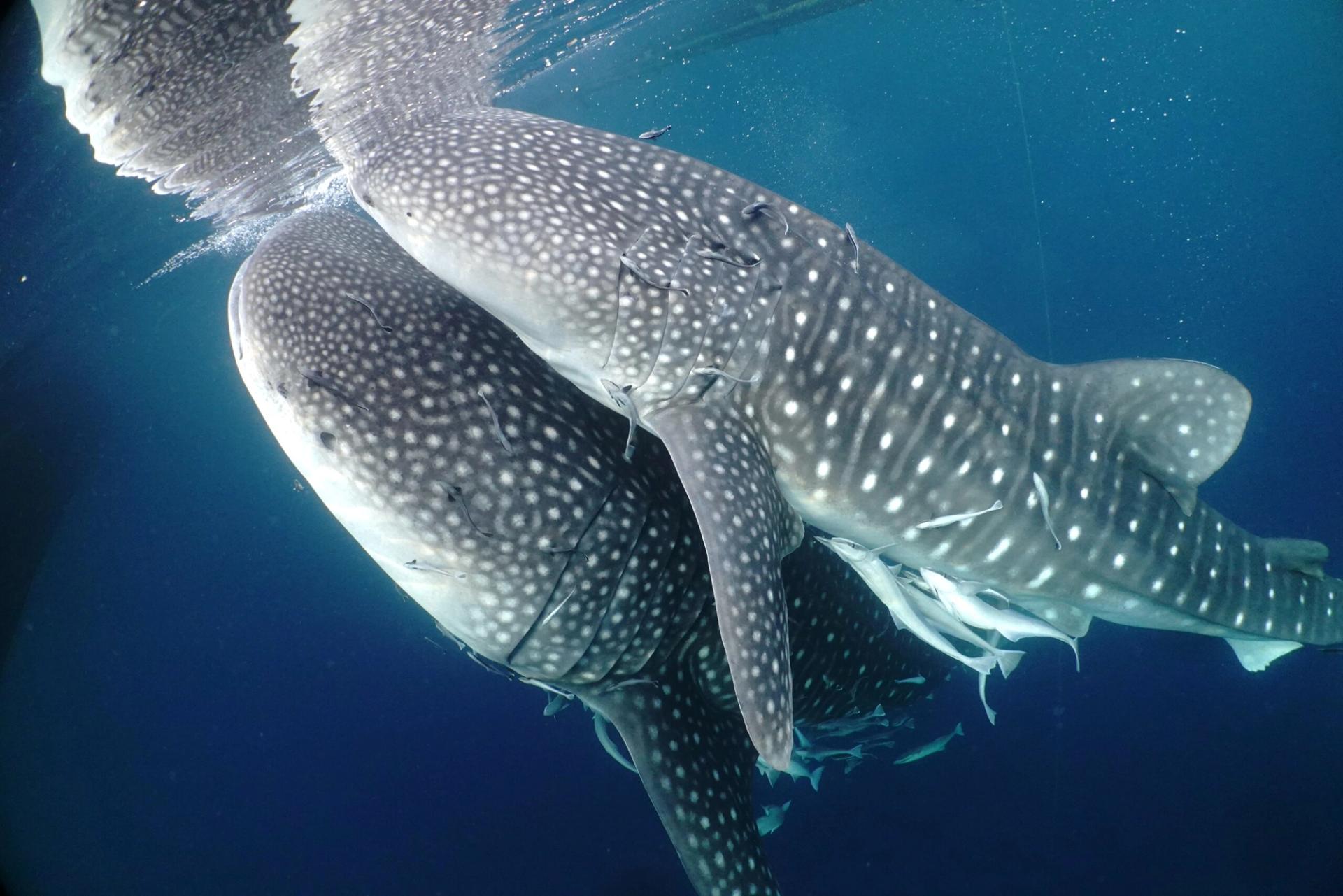
Longer routes combine Komodo with destinations such as Sumbawa, adding more variety beyond the national park. Depending on the itinerary, this can include whale shark encounters and other islands and dive areas along the route.
See the itinerary cards below for the different route options, or jump to upcoming departures for current dates and availability.
Komodo highlights
Highlight/01
Discover Pink Beach
Pantai Merah's coral-flecked sand shades pink against turquoise water, an easy change of pace between dives.
Meet Komodo dragons
A Komodo dragon trek offers a chance to see the giant lizards in their natural habitat.
Enjoy the scenic hikes
Short, steep island climbs open onto some of the most photographed panoramas in Indonesia.
Swim with manta rays
Year-round encounters at cleaning stations, with gatherings of up to 50 reported at peak times.
Dive the currents
Current-swept pinnacles and channel drifts reward divers who are comfortable in moving water.
Find the smaller things
In the cooler south, frogfish, pygmy seahorses, and nudibranchs reward a slower look.
Snorkel Komodo
Selected sheltered reefs and manta stations offer rewarding time in the water without dive certification.
Gallery
Discover the Best
Komodo liveaboard itineraries
Availability
Upcoming Komodo liveaboard trips
Book directly through our scheduling partner to view real-time availability and reserve your cabin.
View all trips
Good to know
Komodo FAQ
Read All FAQKomodo is known for current-driven, high-energy diving, with pinnacles, channel drifts, coral reefs, manta cleaning stations, schooling fish, sharks, and a strong macro layer in the cooler south. The currents are part of what brings the reefs and marine life to life.
Komodo suits divers who are comfortable in current. Depending on the site and the conditions on the day, dives may involve drift diving, negative entries or live pickups, and the dive team plans each day around the tides and sea conditions.
Mari requires Open Water (OW) certification and at least 60 logged dives for Komodo trips.
Currents can be strong and change with the tide and lunar cycle. Experienced dive teams plan site choice and timing around those conditions, and some sheltered sites offer calmer diving.
Komodo can be dived year-round, but May to September is the prime liveaboard season, when north and central sites lead the route. Topside it is the dry season: warm days around 29 to 32°C (84 to 90°F), little rain, and settled conditions for cruising between islands and heading ashore.
North Komodo is warm, clear, and known for current-swept pinnacles and schooling fish. Central Komodo combines coral-rich reefs and manta encounters, while South Komodo is cooler, often lower in visibility, and especially rewarding for macro life.
Far more than one list can hold. Reef sharks, giant trevally, dogtooth tuna, barracuda, Napoleon wrasse, bumphead parrotfish and turtles are regular sightings, alongside manta rays at the cleaning stations. On the macro side the park turns up frogfish, pygmy seahorses, nudibranchs, mandarin fish and flamboyant cuttlefish, among plenty else. There’s something for everyone.
Yes. South Komodo is particularly rewarding for smaller marine life, including frogfish, pygmy seahorses, nudibranchs, and sea apples around sites such as Cannibal Rock and the Three Sisters.
Manta rays can be encountered in Komodo year-round, particularly around Makassar Reef (Manta Point) in Central Komodo.
Manta Point / Karang Makassar in Central Komodo is the manta site most consistently included in Mari’s itineraries. Routes that reach South Komodo may also include Manta Alley, while The Cauldron (Shotgun) can occasionally deliver a bonus manta sighting.
Conditions vary by region. North Komodo is typically around 27 to 29°C (81 to 84°F) with visibility of about 25 to 40 m (82 to 131 ft). Central Komodo is usually around 26 to 28°C (79 to 82°F) with visibility of roughly 20 to 30 m (66 to 98 ft), while South Komodo is cooler at around 22 to 24°C (72 to 75°F) with visibility commonly around 6 to 15 m (20 to 49 ft).
Labuan Bajo (LBJ) is the main airport gateway to Komodo National Park. Many international travelers connect through Bali (DPS), around a one-hour domestic flight from Labuan Bajo.
Labuan Bajo (LBJ) is Komodo’s primary airport and the endpoint for many Mari routes. Some itineraries begin or end in Bali (DPS), Sumbawa Besar (SWQ), or Maumere (MOF), so check your embarkation and disembarkation ports before booking flights.
Mari sails Komodo from May to September, when topside temperatures are typically around 29 to 32°C (84 to 90°F) with relatively little rain. The dry, sunny weather makes this an especially pleasant time for cruising between islands, relaxing on deck, and heading ashore for Komodo’s beaches and hikes.
Pack for a wide range of water temperatures. North Komodo is generally around 27 to 29°C (81 to 84°F), Central Komodo around 26 to 28°C (79 to 82°F), while South Komodo can drop to around 22 to 24°C (72 to 75°F). A 3 mm wetsuit works well for many northern and central dives, but a 5 mm suit, hood, socks, or an extra thermal layer are useful if your itinerary reaches the south or you get cold easily.
Bring your usual dive gear, including an SMB/DSMB and a dive pointer or stick for stronger-current diving. Rental dive equipment is available on Mari but must be ordered in advance. Above water, pack a light wind jacket, breathable clothing, sun protection, seasickness medication if needed, and comfortable, sturdy footwear for hikes.
Yes. Labuan Bajo is around a one-hour flight from Bali, making Komodo straightforward to combine with a Bali stay. Some Mari itineraries also use Bali and Labuan Bajo as embarkation or disembarkation points, so check the route that best matches your travel plans.
Yes. Mari offers longer combination itineraries connecting Komodo with destinations such as Sumbawa, including routes that add whale shark encounters and other dive areas along the way.
Yes. Depending on the itinerary, non-diving activities can include a Komodo dragon trek, Pink Beach, Padar Island hikes, and snorkeling at suitable sites.
Depending on the route and conditions, activities can include a Komodo dragon trek, a Padar Island hike, Pink Beach, and snorkeling. These are planned around the itinerary and operating conditions.
Yes, and it ranks among the best in Indonesia. To name a few: the manta cleaning stations at Makassar Reef (Manta Point), watched from the surface; Siaba Besar for turtles; Tatawa Besar and Tatawa Kecil for coral gardens; and the shallow reef off Pink Beach.
For Mari trips of up to 11 nights, current park and port fees are €140 per person, payable in cash on board. Fees can change, so check the current trip details for your departure.
Sail Komodo in comfort
About the boat
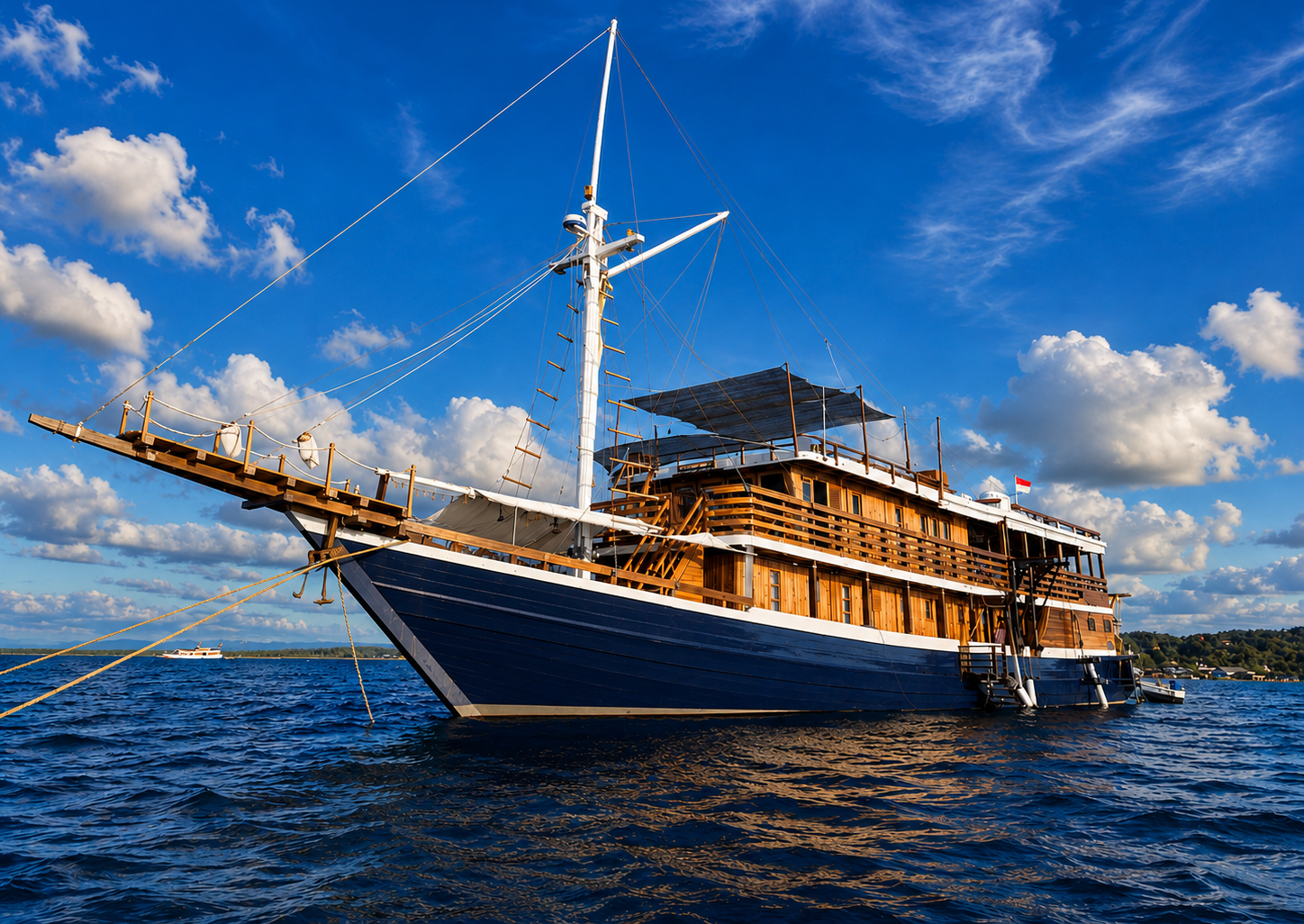
Mari
30m · 7 cabins · 14 guests · 14 crew
Built by the boatbuilders of South Sulawesi, Mari is a 30m traditional Indonesian phinisi liveaboard designed for scuba diving andexploration.
She carries up to 14 guests in seven sea-view ensuite cabins, all on the main deck, combining the character of a wooden sailing boat with the all the amenities that a diver would need to unwind between dives.
Book your Mari Liveaboard trip
Book a private charter
Charter Mari for a private liveaboard shaped around your group. Sail with up to 14 guests and enjoy the flexibility to plan a route that suits the way you want to dive.
Join a shared diving trip
Join a scheduled Mari departure and dive Indonesia's defining regions alongside fellow dive enthusiasts.
Contact us
Talk to us
Whether you are comparing destinations, checking a departure, planning a private charter or simply want to know more about Mari, our team is here to help.