Help & support
Frequently Asked Questions
Answers about booking, payment, what is included, and life on board — plus destination-specific questions further down the page.
The Boat
General Information
Yes. You can charter the entire boat for up to 14 guests and shape the trip around your group, subject to availability, routing and operating conditions.
Mari pairs a serious dive operation with the comfort and space of a small traditional phinisi. With a maximum of 14 guests, 14 crew, three tenders, nitrox, excellent dive amenities and seven sea-view ensuite cabins, Mari is for divers looking to sail and dive Indonesia in comfort without excess.
Yes. Mari has Starlink Wi-Fi, with up to 1GB available free for each guest. Ask us through the contact form about additional data before your trip.
Yes. Mari produces nitrox on board through an NRC membrane system. It is available to certified nitrox divers at an additional charge.
Yes. Snorkelers and non-diving guests who want to explore Indonesia are welcome aboard. With three tenders on board, snorkeling trips and land excursions run alongside the diving rather than waiting on it.
All meals are included, along with drinking water and hot drinks. The kitchen cooks a mix of Indonesian and Western dishes, starting with a light breakfast before the first early dive, then a full breakfast, lunch, dinner and snacks between dives. Soft drinks, beer, wine and liquor are available to buy on board.
Yes. Tell us when you book — allergies, intolerances or a specific diet — and the kitchen will plan around it. Dietary requirements need to be arranged in advance rather than raised on board, so let us know as early as you can.
Payment & Booking
Start on our Schedule & Rates page to find a departure that suits you. Bookings can also be made through a travel agent.
If you have questions or want to hold a cabin, write to info@mari-liveaboard.com or message us on WhatsApp at +62-8112-555-7766 . We hold your cabin once the deposit is received.
A deposit of 30% per person is due within 7 days of booking, and the remaining 70% is due no later than 90 days before departure.
Bookings made less than 90 days before departure are payable in full at the time of booking.
These terms apply to per-cabin bookings. For private charters, see our private charters page or our Terms & Conditions.
Cancelling 91 days or more before departure costs 25% of the cruise rate per person. Cancelling 90 to 61 days before costs 50%, and 60 days or less costs 100%.
You can substitute another guest in your place up to 5 days before departure to avoid the penalty.
Yes. A guest occupying a cabin alone pays a single supplement of 50% of the base per person cabin rate.
Superior cabins are a bunk configuration suited to solo travelers and dive buddies, so sharing is also an option if you would rather not pay the supplement.
What's Included
Your cruise rate includes:
- Airport or hotel transfers in the embarkation and disembarkation city;
- Accommodation in a cabin with double-bed, twin-bed, or bunkbed configuration, all with en-suite bathroom and individually controlled air conditioning;
- Fully crewed vessel
- All meals, drinking water and hot drinks;
- All guided dives conducted as part of the regular cruise program;
- 12L tank, weigh belt, weights;
- Land excursions as described in the itinerary.
The following are not included in the cruise rate:
- Flights, visas and airport taxes
- National park and port fees
- Fuel surcharge
- Nitrox fills
- Equipment rental
- Dive courses
- Dive insurance
- Crew gratuities
Alcohol, soft drinks and other beverages are payable separately, in cash on board.
No. Park and port fees are paid in cash on board and depend on the length of your cruise: 140 EUR per person for cruises up to 11 nights, and 200 EUR per person for cruises of 12 nights or more.
A fuel surcharge is also collected on board, at 150 EUR per person up to 11 nights and 250 EUR per person for 12 nights or more.
Others
Yes. Diving insurance that covers medical evacuation is mandatory for every diving guest, and you will be asked for proof of it when you board.
Travel insurance is strongly recommended but not required. Bring your certification card as well.
Boarding runs from 6:30am to noon on the day of departure, and all guests need to be on board by midday. Disembarkation is by midday on the final day.
Transfers between the airport or your hotel and the boat are included at both ends of the cruise.
Onboard expenses and crew gratuities are settled in cash at the end of the cruise. Euros, US dollars, Swiss francs and Indonesian rupiah are all accepted.
There are no card facilities on board, so bring enough cash for rentals, beverages, park fees and tips.
Mari's baseline requirement is Open Water certification with 30 logged dives. Komodo requires Open Water certification with 60 logged dives. Please refer to each destination's page for more details.
Raja Ampat
Diving in Raja Ampat
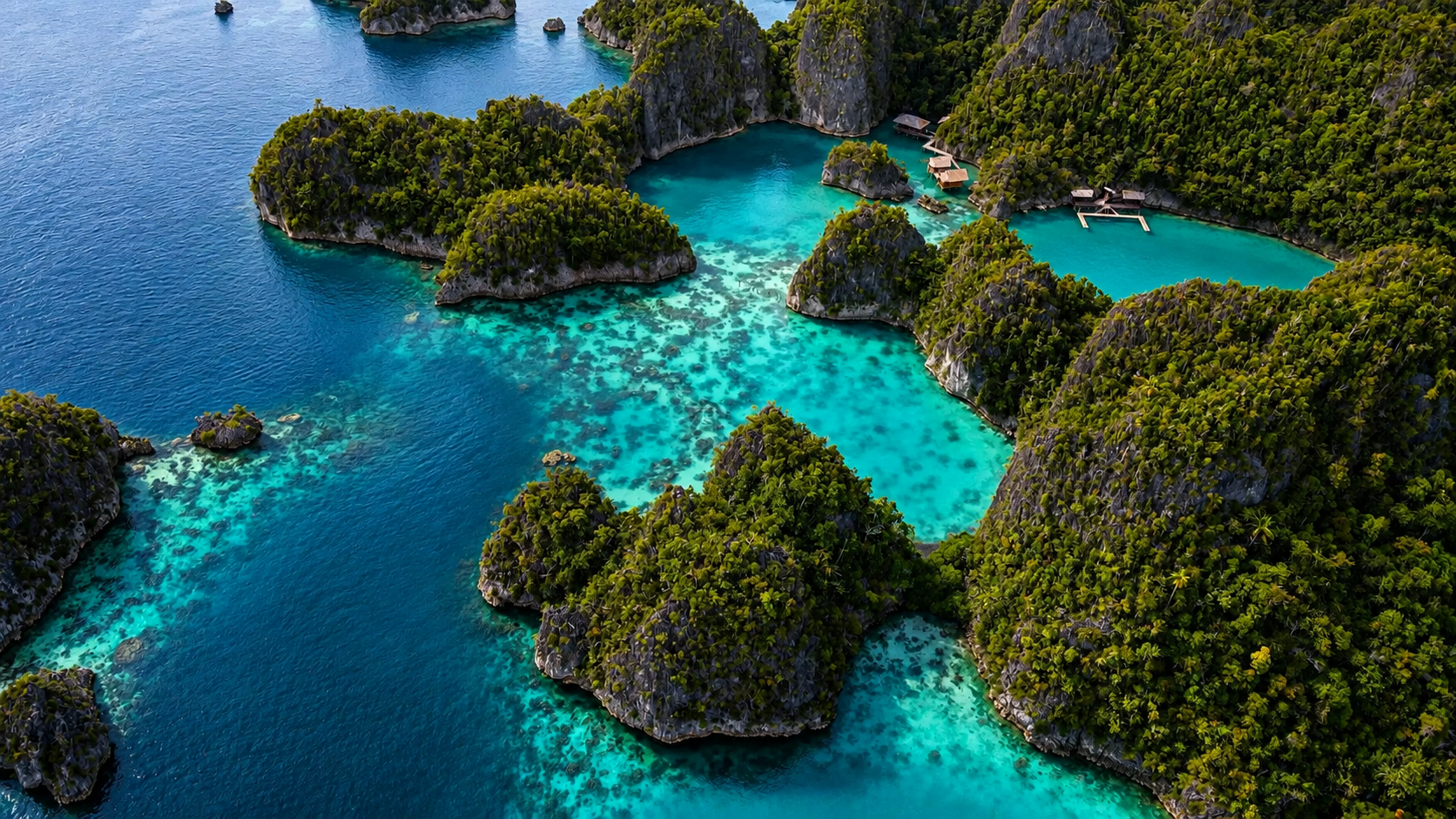
Raja Ampat diving is varied, coral-rich and shaped by currents. A liveaboard can move between current-swept channels, manta cleaning stations, shallow coral gardens and macro-led dives, so the experience changes meaningfully across the region.
Mari requires Open Water certification plus 30 logged dives for Raja Ampat. Conditions are site- and tide-dependent, and the requirement helps ensure guests can make the most of current-exposed dives as well as gentler sites.
Raja Ampat is known for dense reef life, manta rays, reef sharks, wobbegongs, walking sharks and pygmy seahorses. Cape Kri recorded 374 fish species in one 90-minute dive, but wildlife sightings always depend on site and conditions.
Currents range from mild to very strong depending on the site, tide and moon phase. They are a major reason the reefs are so productive, and the dive team’s local current checks help determine the right site and entry plan.
Water temperature is typically 27°C to 31°C (81°F to 88°F) year-round. Visibility commonly ranges from 10m to 25m (33ft to 82ft), with plankton-rich periods sometimes reducing visibility while improving the conditions for manta activity.
Raja Ampat is best enjoyed by divers with enough experience and skill to navigate changing currents. The team can preselect sites to suit your level and recheck conditions before each dive, so please let us know your experience in advance.
Yes. Alongside its big reef scenes, Raja Ampat offers pygmy seahorses, nudibranchs, ghost pipefish, frogfish, crustaceans and other smaller life. Misool and Batanta are particularly strong for a slower, macro-focused look.
Traveling to Raja Ampat
Fly internationally to Jakarta (CGK) or Bali (DPS), then continue to Sorong (SOQ) in West Papua, the main liveaboard gateway. Build in a buffer day before embarkation, as domestic flight schedules can change.
Raja Ampat can be visited year-round, but the right time depends on the route. October to April is the main window for the whole region, while southern Raja Ampat is generally closed from June to September. Central areas remain available during the middle of the year.
No. Southern Raja Ampat, including Misool, is generally inaccessible from June to September because of monsoon sea conditions. Check the itinerary carefully if Misool is a priority for your trip.
Raja Ampat’s weather varies by region rather than following one simple rainy-season rule. The south is generally rougher and wetter from June to September, while central Raja Ampat still operates through July and August with a more conditions-led site list. October to April is the main window for the region as a whole.
Water is warm, typically 27°C to 31°C (81°F to 88°F), but a full wetsuit or skin suit is still useful for protection from stings and scrapes. Bring your own mask and any personal dive equipment you prefer to dive with, reef-safe sunscreen, lightweight sun protection, a dry bag and any medication you rely on. A dive pointer or stick can be useful.
General Information
Yes, selected shallow reefs and manta stations can be excellent for snorkeling. Suitability depends on the site and current conditions, so guides will recommend the appropriate stops for the day.
Yes, provided the route and conditions suit them. Snorkeling, karst islands, lagoons, mangroves and village visits can all make the journey rewarding above water.
Marine park and port fees vary by departure. See Schedule & Rates for the fees that apply to your itinerary.
Komodo
Diving in Komodo
Komodo is known for current-driven, high-energy diving, with pinnacles, channel drifts, coral reefs, manta cleaning stations, schooling fish, sharks, and a strong macro layer in the cooler south. The currents are part of what brings the reefs and marine life to life.
Komodo suits divers who are comfortable in current. Depending on the site and the conditions on the day, dives may involve drift diving, negative entries or live pickups, and the dive team plans each day around the tides and sea conditions.
Mari requires Open Water (OW) certification and at least 60 logged dives for Komodo trips.
Currents can be strong and change with the tide and lunar cycle. Experienced dive teams plan site choice and timing around those conditions, and some sheltered sites offer calmer diving.
Komodo can be dived year-round, but May to September is the prime liveaboard season, when north and central sites lead the route. Topside it is the dry season: warm days around 29 to 32°C (84 to 90°F), little rain, and settled conditions for cruising between islands and heading ashore.
North Komodo is warm, clear, and known for current-swept pinnacles and schooling fish. Central Komodo combines coral-rich reefs and manta encounters, while South Komodo is cooler, often lower in visibility, and especially rewarding for macro life.
Far more than one list can hold. Reef sharks, giant trevally, dogtooth tuna, barracuda, Napoleon wrasse, bumphead parrotfish and turtles are regular sightings, alongside manta rays at the cleaning stations. On the macro side the park turns up frogfish, pygmy seahorses, nudibranchs, mandarin fish and flamboyant cuttlefish, among plenty else. There’s something for everyone.
Yes. South Komodo is particularly rewarding for smaller marine life, including frogfish, pygmy seahorses, nudibranchs, and sea apples around sites such as Cannibal Rock and the Three Sisters.
Manta rays can be encountered in Komodo year-round, particularly around Makassar Reef (Manta Point) in Central Komodo.
Manta Point / Karang Makassar in Central Komodo is the manta site most consistently included in Mari’s itineraries. Routes that reach South Komodo may also include Manta Alley, while The Cauldron (Shotgun) can occasionally deliver a bonus manta sighting.
Conditions vary by region. North Komodo is typically around 27 to 29°C (81 to 84°F) with visibility of about 25 to 40 m (82 to 131 ft). Central Komodo is usually around 26 to 28°C (79 to 82°F) with visibility of roughly 20 to 30 m (66 to 98 ft), while South Komodo is cooler at around 22 to 24°C (72 to 75°F) with visibility commonly around 6 to 15 m (20 to 49 ft).
Traveling to Komodo
Labuan Bajo (LBJ) is the main airport gateway to Komodo National Park. Many international travelers connect through Bali (DPS), around a one-hour domestic flight from Labuan Bajo.
Labuan Bajo (LBJ) is Komodo’s primary airport and the endpoint for many Mari routes. Some itineraries begin or end in Bali (DPS), Sumbawa Besar (SWQ), or Maumere (MOF), so check your embarkation and disembarkation ports before booking flights.
Mari sails Komodo from May to September, when topside temperatures are typically around 29 to 32°C (84 to 90°F) with relatively little rain. The dry, sunny weather makes this an especially pleasant time for cruising between islands, relaxing on deck, and heading ashore for Komodo’s beaches and hikes.
Pack for a wide range of water temperatures. North Komodo is generally around 27 to 29°C (81 to 84°F), Central Komodo around 26 to 28°C (79 to 82°F), while South Komodo can drop to around 22 to 24°C (72 to 75°F). A 3 mm wetsuit works well for many northern and central dives, but a 5 mm suit, hood, socks, or an extra thermal layer are useful if your itinerary reaches the south or you get cold easily.
Bring your usual dive gear, including an SMB/DSMB and a dive pointer or stick for stronger-current diving. Rental dive equipment is available on Mari but must be ordered in advance. Above water, pack a light wind jacket, breathable clothing, sun protection, seasickness medication if needed, and comfortable, sturdy footwear for hikes.
Yes. Labuan Bajo is around a one-hour flight from Bali, making Komodo straightforward to combine with a Bali stay. Some Mari itineraries also use Bali and Labuan Bajo as embarkation or disembarkation points, so check the route that best matches your travel plans.
Yes. Mari offers longer combination itineraries connecting Komodo with destinations such as Sumbawa, including routes that add whale shark encounters and other dive areas along the way.
General Information
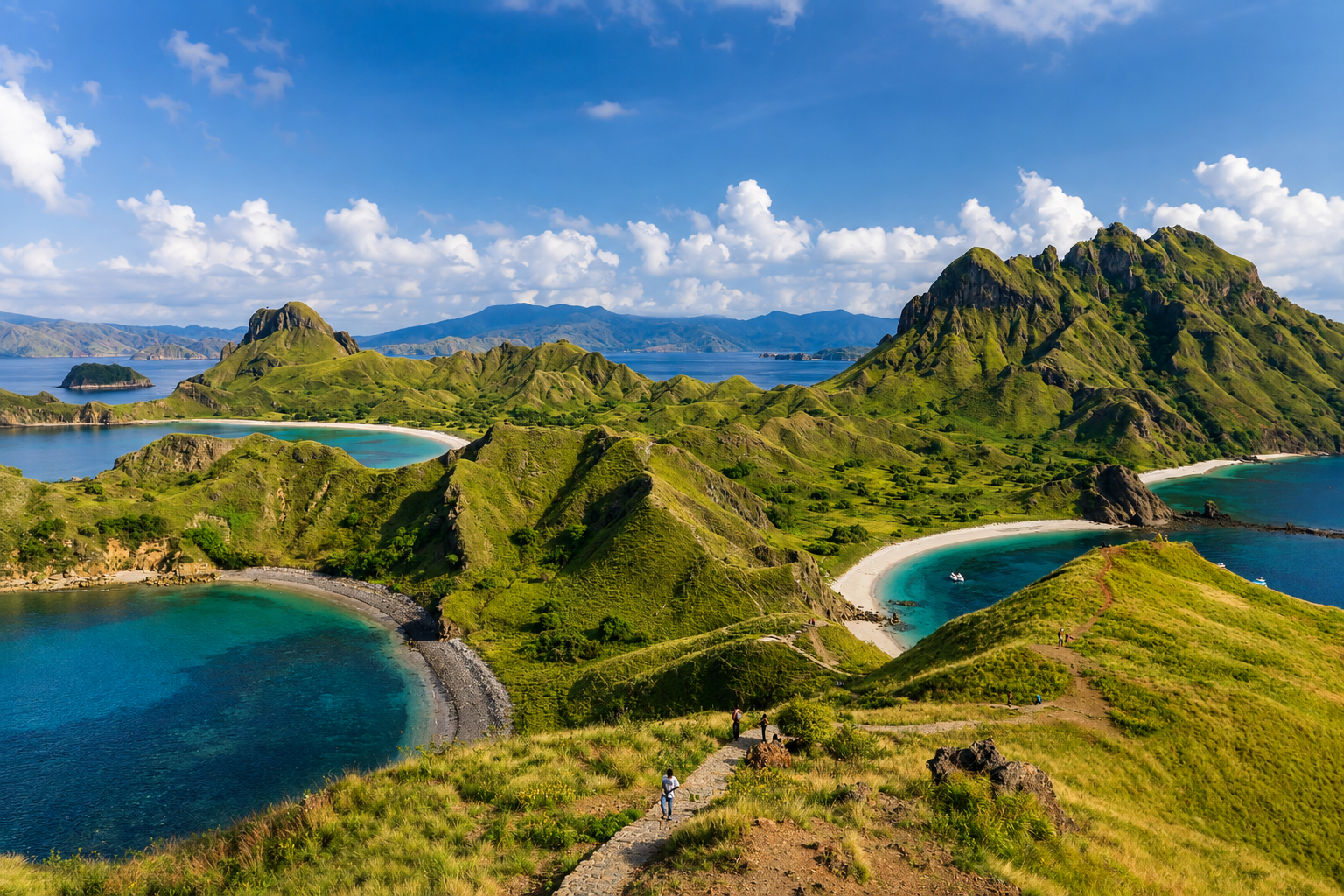
Yes. Depending on the itinerary, non-diving activities can include a Komodo dragon trek, Pink Beach, Padar Island hikes, and snorkeling at suitable sites.
Depending on the route and conditions, activities can include a Komodo dragon trek, a Padar Island hike, Pink Beach, and snorkeling. These are planned around the itinerary and operating conditions.
Yes, and it ranks among the best in Indonesia. To name a few: the manta cleaning stations at Makassar Reef (Manta Point), watched from the surface; Siaba Besar for turtles; Tatawa Besar and Tatawa Kecil for coral gardens; and the shallow reef off Pink Beach.
For Mari trips of up to 11 nights, current park and port fees are €140 per person, payable in cash on board. Fees can change, so check the current trip details for your departure.
Banda Sea
Diving in the Banda Sea
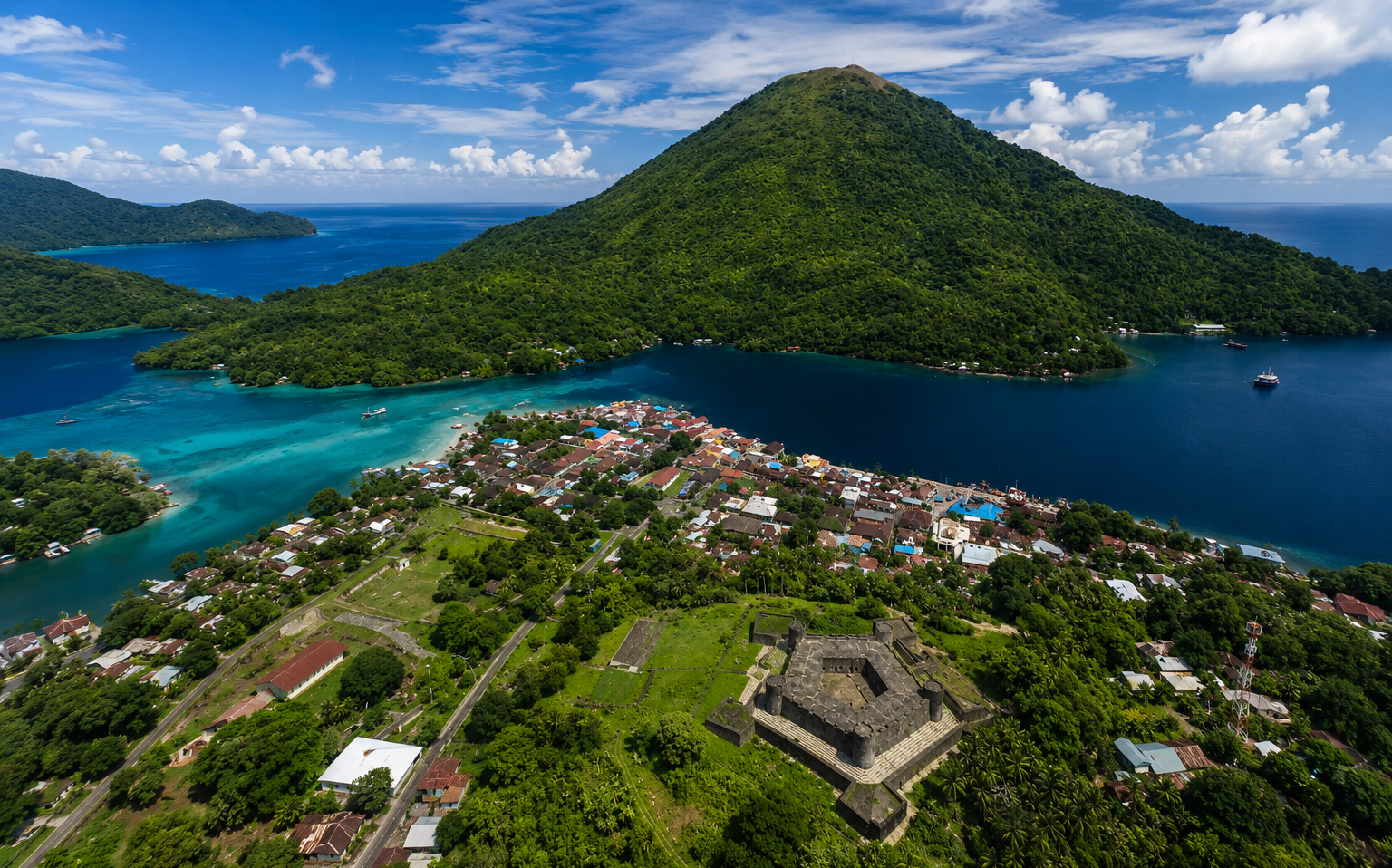
Banda Sea diving is remote, current-led and varied, with volcanic walls, coral reefs and open-water sites that can attract pelagic life. Conditions and the route shape every trip.
Mari requires Open Water certification plus 30 logged dives for the Banda Sea, because open-ocean conditions can be demanding. Site conditions still vary, so the team matches the day’s plan to conditions and the group.
Currents range from moderate to strong depending on the island, site and conditions. Exposed sites such as Suanggi and Serua can be particularly demanding.
Seasonal schooling hammerheads, olive sea snakes at Manuk, reef sharks, tuna, barracuda, jacks, sea snakes and reef life are all possible. Wildlife sightings are never guaranteed.
Mari’s Banda Sea season is September to November, the period associated with seasonal hammerhead activity.
Water temperature is typically 26°C to 30°C (79°F to 86°F). Cooler water is more likely during the upwelling months, so bring exposure protection for the lower end of that range.
No. The Banda Sea is best suited to divers comfortable in remote, open-ocean conditions; some sites may be more demanding than others.
Yes. Alongside its pelagic emphasis, the Banda Islands and Nusa Laut offer macro life including nudibranchs, cuttlefish and mandarin fish at some sites.
Traveling to the Banda Sea
The departure port varies by itinerary — Banda Sea routes can start or end at Ambon, Maumere, Saumlaki, Sorong or Kaimana. Most guests fly via Jakarta or Bali to the port for their departure, so check the individual itinerary in our Schedule & Rates before booking flights.
It depends on the itinerary rather than the destination — Banda Sea crossings use several different ports. Check the details of the individual itinerary in our Schedule & Rates before booking onward flights.
For Mari, September to November is the operating season.
September to November can bring rougher swells and variable sea conditions. The route and sites are chosen around the conditions at the time.
Bring your own mask and any personal dive equipment you prefer to dive with, exposure protection for water temperatures of 25°C to 31°C (77°F to 88°F), sun protection, a dry bag and any essential medication. Evacuation insurance is essential for this remote destination.
General Information
Selected sheltered reefs can suit snorkeling, but suitability is entirely site- and conditions-dependent.
Marine park and port fees vary by departure. See Schedule & Rates for the fees that apply to your itinerary.
Triton Bay
Diving in Triton Bay
Triton Bay is a soft-coral, fish-life and macro destination with a remote, uncrowded feel. Nutrient-rich water supports the reefs but can limit visibility.
Mari requires Open Water certification plus 30 logged dives for Triton Bay. Some gentler sites and bagan encounters suit a broader range of ability, and the team matches the day’s plan to conditions and the group.
Current varies by site. Some sites can be current-exposed, while others are gentler; the dive team checks conditions before the dive.
Whale sharks at Namatote bagans, wobbegongs, pygmy seahorses, ghost pipefish, nudibranchs, frogfish, cuttlefish, sweetlips and snappers are all possible. Sightings are never guaranteed.
October to March is the primary season.
Water is typically 27°C to 31°C (81°F to 88°F). Visibility is commonly 10m to 15m (33ft to 49ft), sometimes lower because of plankton.
Mari’s minimum is Open Water certification plus 30 logged dives. Some gentler sites and bagan encounters can suit less experienced guests within that minimum, but suitability still depends on the day’s site and conditions.
Yes. Pygmy seahorses, ghost pipefish, nudibranchs, frogfish and cuttlefish make Triton Bay a strong destination for patient macro diving.
Traveling to Triton Bay
Kaimana (KNG) is the main gateway for Triton Bay, reached via Jakarta or Bali. Because Triton Bay is always part of a longer combination route, some itineraries start or end at Sorong instead, so check the individual itinerary in our Schedule & Rates before booking flights.
Kaimana (KNG) is the closest airport to Triton Bay, but combination routes can begin or end at Sorong (SOQ). The port for your departure is listed with the itinerary in our Schedule & Rates.
October to March is the main season for the bay.
The primary season aligns with calmer northwest-monsoon conditions, though local weather and sea conditions still shape the daily plan.
Bring your own mask and any personal dive equipment you prefer to dive with, exposure protection for 27°C to 31°C (81°F to 88°F), sun protection, a dry bag and essential medication. Evacuation insurance is important in this remote area.
General Information
Namatote’s whale shark bagans can work for snorkeling when conditions and animal positioning allow. Other snorkel sites are chosen around current and conditions.
The whale shark bagans, remote scenery and Namatote rock art can add value for non-divers, though Triton Bay’s surface offering is quieter than some destinations. Check the specific itinerary for the excursions included.
Marine park and port fees vary by departure. See Schedule & Rates for the fees that apply to your itinerary.
Sumbawa
Diving in Sumbawa
Sumbawa combines sheltered whale shark bagans, coral reefs, volcanic dive sites and macro life across several distinct island areas. Conditions vary by area and site.
Mari requires Open Water certification plus 30 logged dives for Sumbawa. Site conditions still vary, so the team will match the day’s plan to conditions and the group.
Current varies by area. Teluk Saleh is sheltered, while exposed reefs around Moyo and other sites can bring drift conditions and stronger movement.
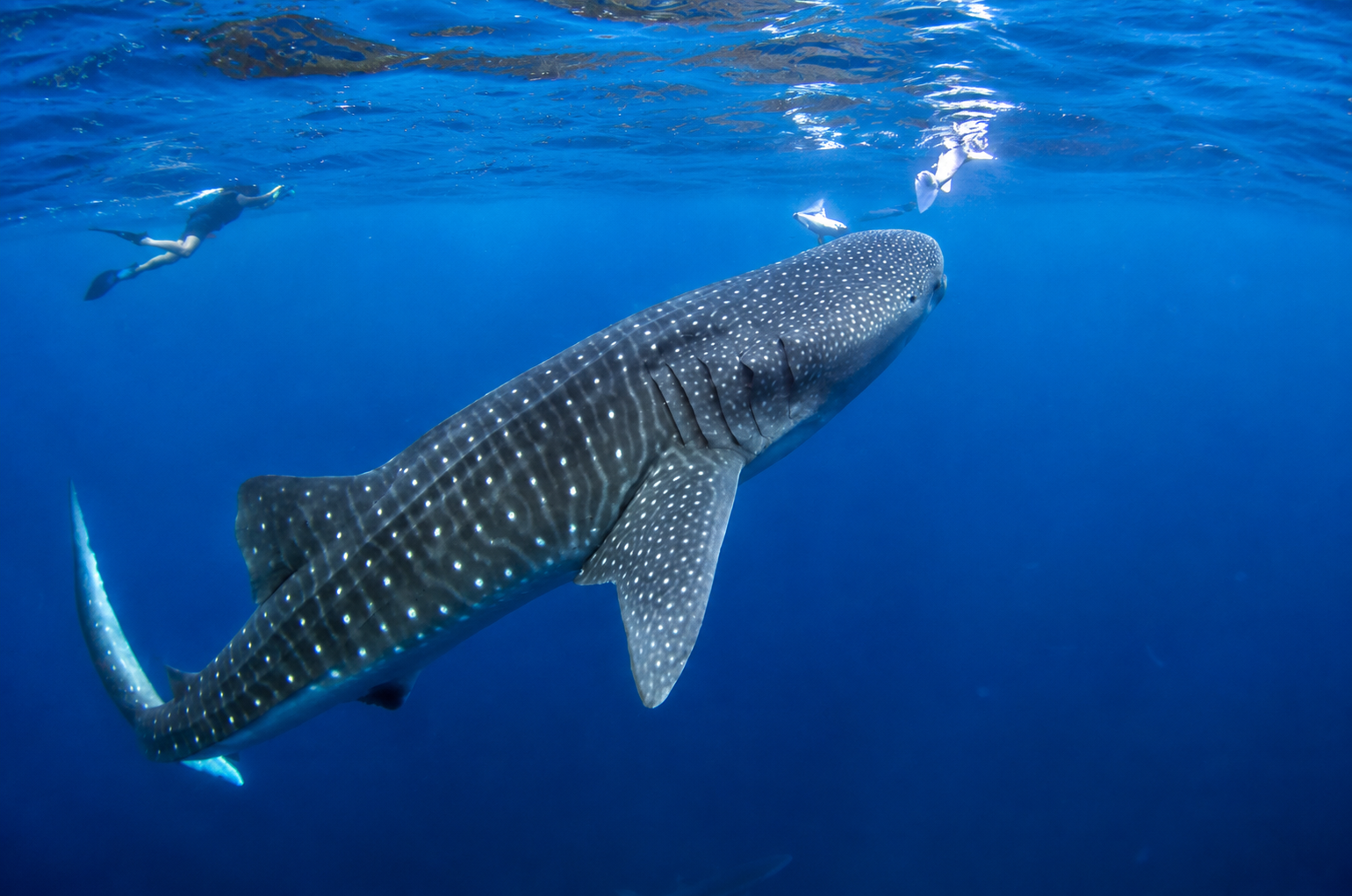
Seasonal whale sharks in Teluk Saleh, reef fish, turtles, reef sharks, macro life, occasional manta rays at Satonda and volcanic-site critters at Sangeang are all possible. Wildlife encounters are never guaranteed.
Mari sails Sumbawa year-round, commonly combined with Komodo. Saleh Bay whale sharks have a source-backed season of April to November.
Around Moyo, Teluk Saleh and Satonda, water is typically 27°C to 28°C (81°F to 82°F). Sape Strait conditions are separate and should not be generalized across the destination.
Mari’s minimum is Open Water certification plus 30 logged dives. Teluk Saleh is calmer than many exposed reefs, but suitability still depends on the day’s site and conditions.
Yes. Sumbawa’s reefs and volcanic sites offer macro life, including nudibranchs, frogfish and other small creatures; Sangeang is particularly distinctive for its black-sand volcanic setting.
Traveling to Sumbawa
The port varies by itinerary and direction — Sumbawa routes use Badas near Sumbawa Besar, Labuan Bajo or Maumere. Check the individual itinerary in our Schedule & Rates before booking flights.
Sumbawa Besar Airport serves Badas, while Labuan Bajo and Maumere serve the other ends of these routes. Which one you need depends on the itinerary, so check it in our Schedule & Rates before booking.
Mari sails Sumbawa year-round, commonly combined with Komodo. Moyo access is generally best from April to December, while Saleh Bay whale sharks have an April-to-November season.
Moyo access is generally best from April to December. January to March can bring strong westerly winds and rougher seas.
Bring your own mask and any personal dive equipment you prefer to dive with, exposure protection for 27°C to 28°C (81°F to 82°F) water in the north-west cluster, sun protection, a dry bag and essential medication. Pack for a mix of diving, short hikes and island stops.
General Information
Teluk Saleh can be excellent for surface whale shark encounters when conditions and animal positioning allow. Other snorkeling is planned site by site.
Sumbawa offers whale shark snorkeling, Mata Jitu Waterfall, Satonda’s crater lake and island scenery, so it can add value for non-divers on a suitable itinerary.
Marine park and port fees vary by departure. See Schedule & Rates for the fees that apply to your itinerary.
Book your Mari Liveaboard trip
Book a private charter
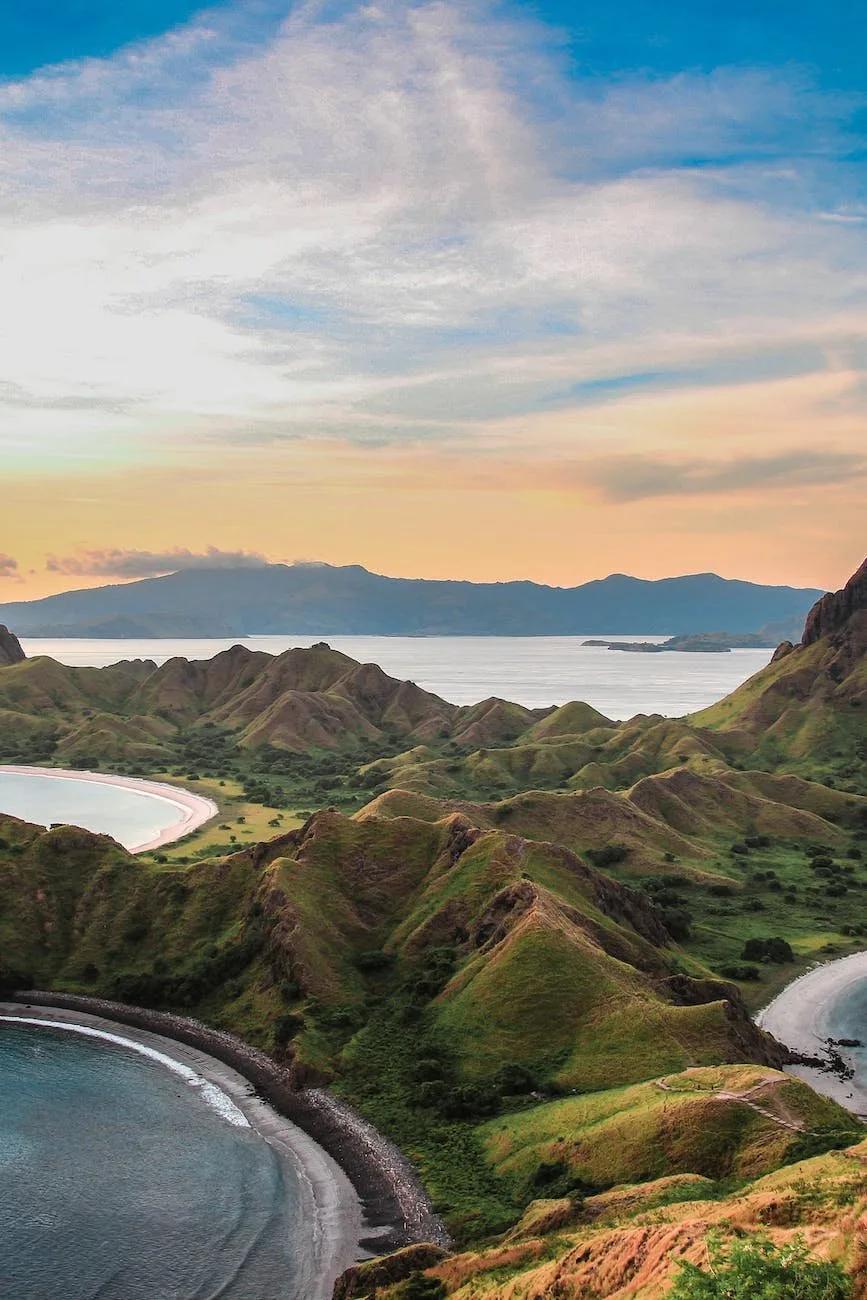
Charter Mari for a private liveaboard shaped around your group. Sail with up to 14 guests and enjoy the flexibility to plan a route that suits the way you want to dive.
Join a shared diving trip
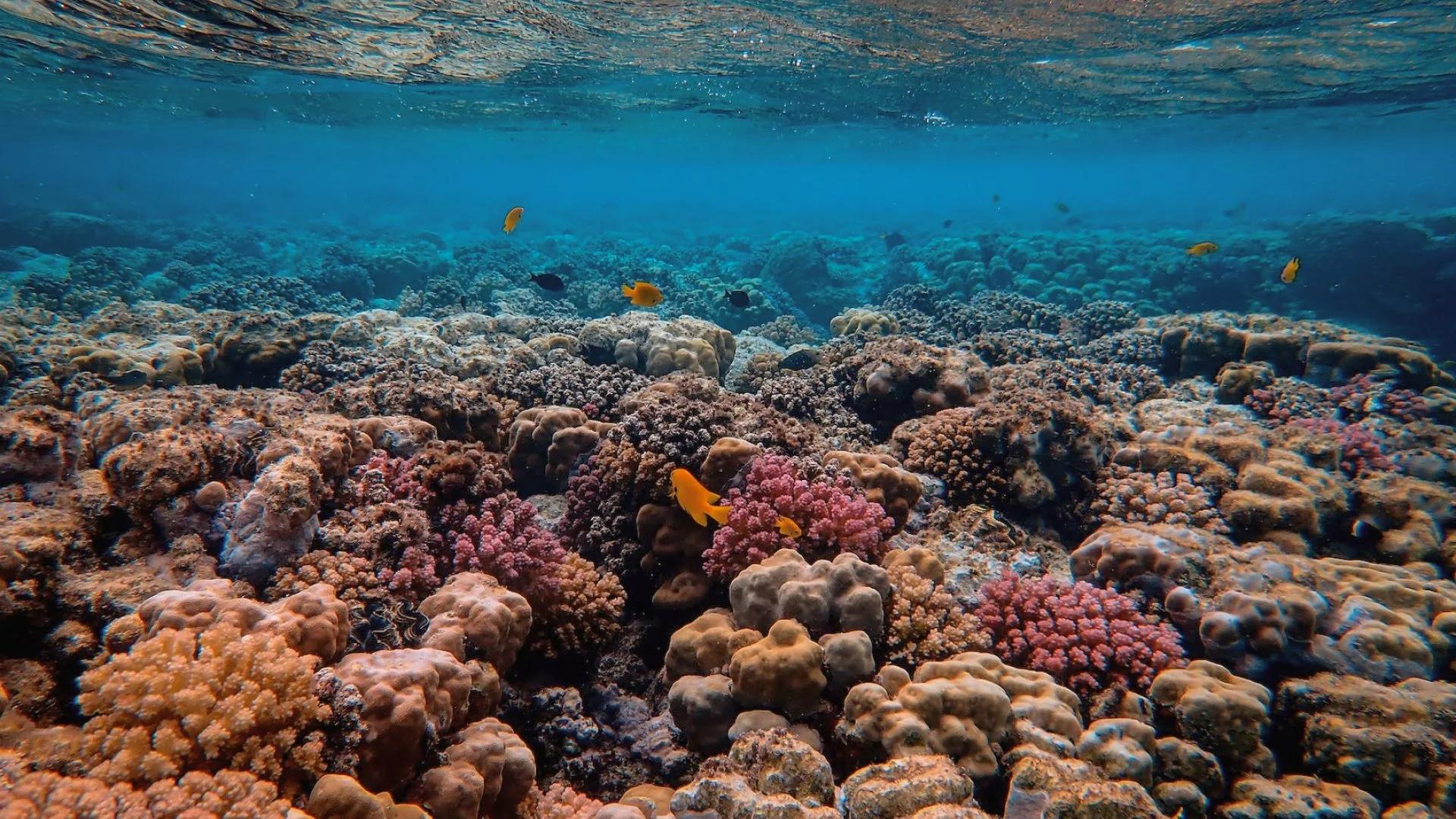
Join a scheduled Mari departure and dive Indonesia's defining regions alongside fellow dive enthusiasts.
Contact us
Talk to us
Whether you are comparing destinations, checking a departure, planning a private charter or simply want to know more about Mari, our team is here to help.