Where to dive with manta rays in Indonesia
Published ByMari LiveaboardKomodoRaja Ampat
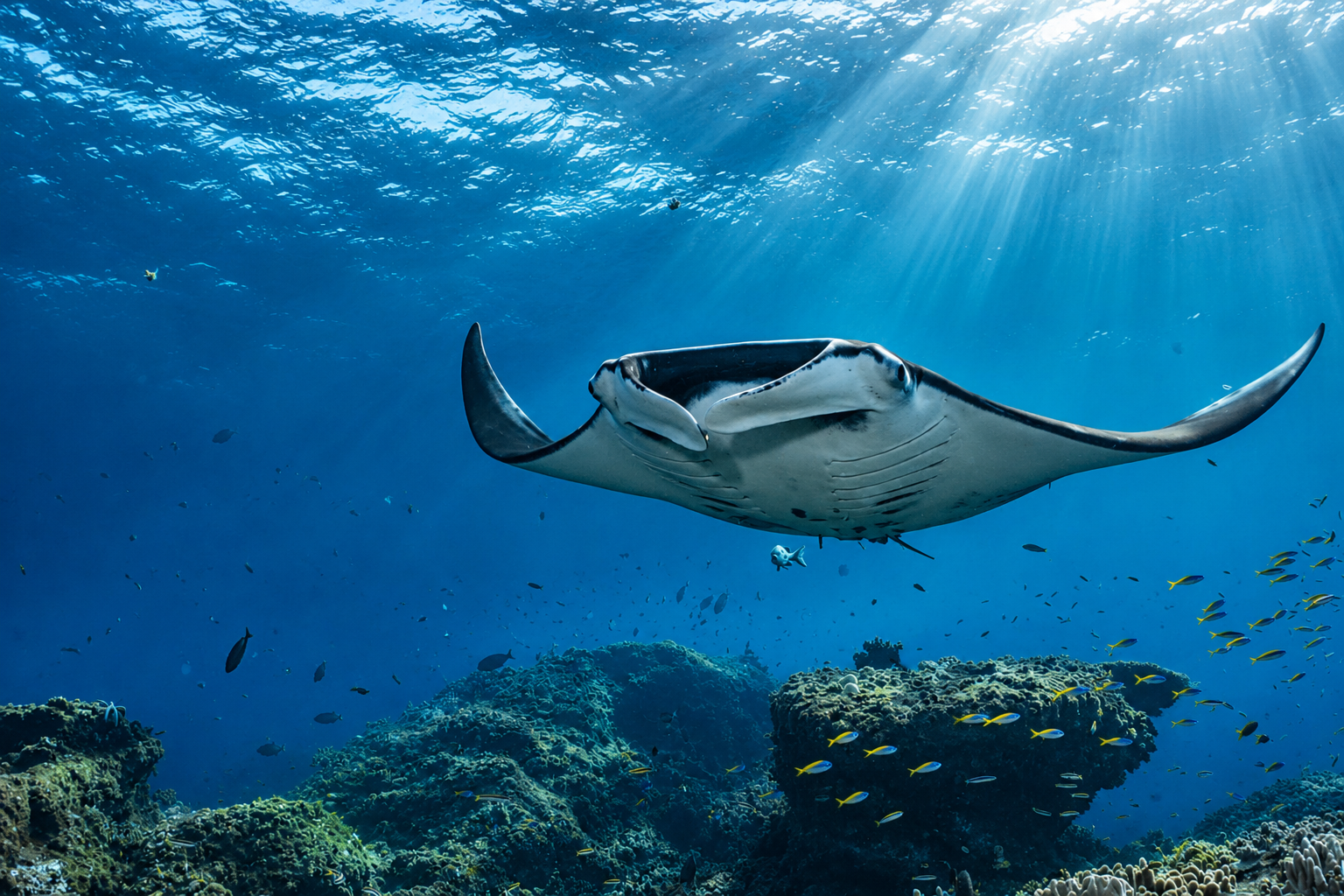
Indonesia has some of the most dependable manta ray diving in the world. Reef mantas glide over cleaning stations in Komodo, Raja Ampat, Nusa Penida and the Derawan Archipelago, and giant oceanic mantas rise from deep water at a handful of current-swept pinnacles. This guide covers where to find them, which species you are likely to meet and when each site works best. Sightings are wildlife encounters, never guarantees, but the right site in the right month shifts the odds a long way.
Quick answer: the best places to dive with manta rays in Indonesia
- Most dependable across the year: Manta Point in Komodo, Manta Sandy in Raja Ampat and Manta Point in Nusa Penida.
- Biggest gatherings: Manta Alley in South Komodo from December to February, and Manta Ridge in Raja Ampat, where up to 20 reef mantas have been seen on productive days.
- Oceanic mantas: Blue Magic and Magic Mountain in Raja Ampat. They are rarer in South Komodo.
- Easiest for mixed groups: Manta Sandy in Raja Ampat and Manta Point in Komodo both work for snorkelers as well as divers.
- Best months overall: November to February in Komodo, October to April in Raja Ampat, year-round at Nusa Penida.
Reef manta or oceanic manta: which will you meet?
Indonesia is home to both manta species, and a few sites host both.
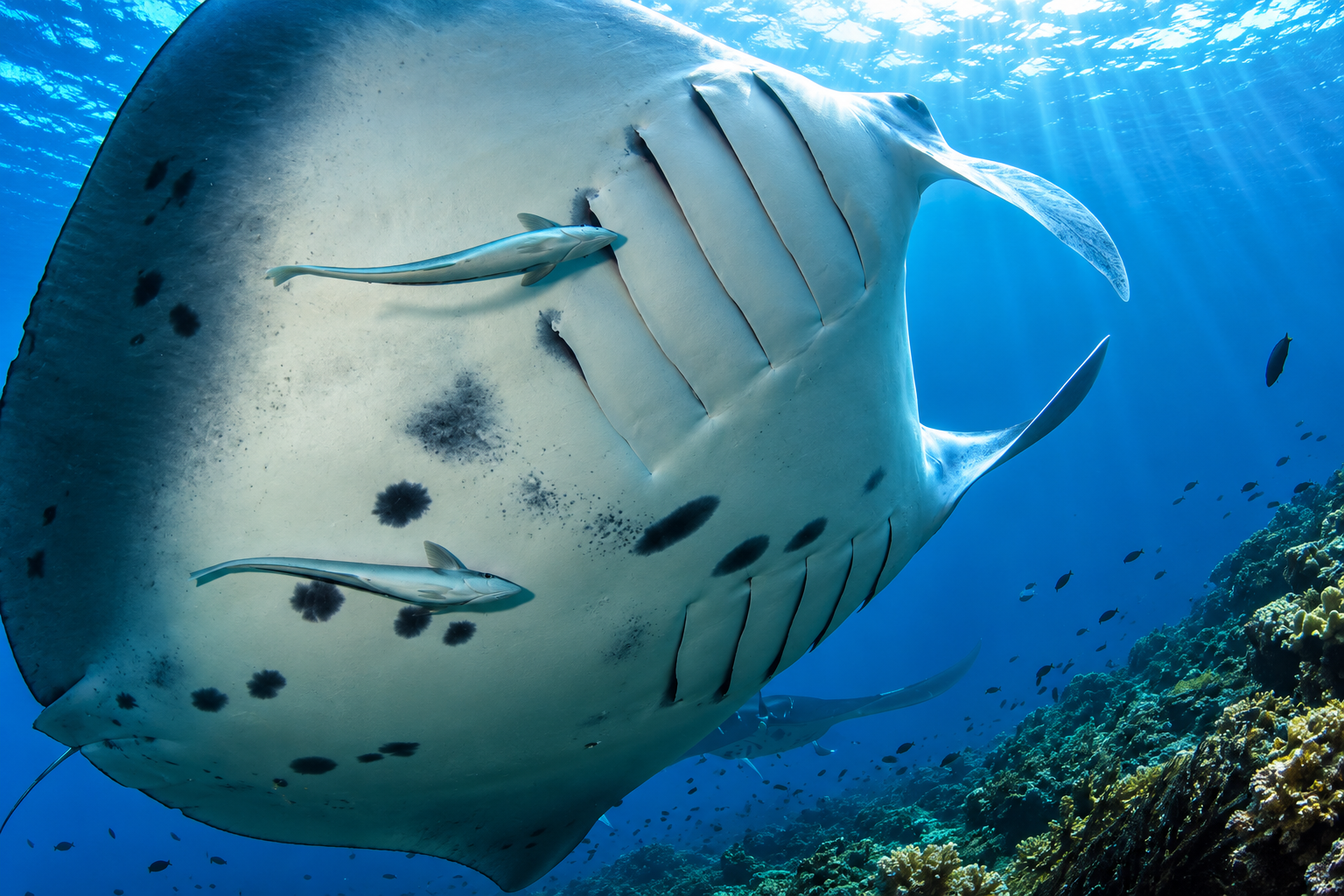
- Reef manta (Mobula alfredi): the species you will meet most often. Reef mantas return to the same cleaning stations again and again, which is why a good site can deliver sightings across many weeks.
- Oceanic manta (Mobula birostris): the larger of the two, with individuals reported at around 5m (16ft) wingtip to wingtip. Oceanic mantas rise from deeper water to be cleaned, then move on, so encounters are rarer and feel more special.
Both species also occur as black morphs, almost entirely black on the back and belly. Black mantas are seen regularly in Raja Ampat and at Nusa Penida.
What brings mantas to a site is plankton and current. Cleaning stations are where cleaner wrasse and other small fish remove parasites, and feeding areas are where the current delivers food. Calm water with little plankton means fewer mantas, even at a famous site.
Manta dive sites in Indonesia at a glance
| Site | Region | Species | Best months | Notes |
|---|---|---|---|---|
| Manta Point (Makassar Reef) | Central Komodo | Reef, some oceanic | Year-round; November to February is prime | 8 to 20m (26 to 66ft); variable current, sometimes a fast drift |
| Mawan | Central Komodo | Reef | Year-round; October to May is stronger | Sheltered bay with a shallow cleaning station; often paired with Manta Point |
| Manta Alley | South Komodo | Reef, some oceanic | December to February is the peak; also seen in August and September | 10 to 24m (33 to 79ft); moderate to strong current, cooler water |
| Manta Sandy | Dampier Strait, Raja Ampat | Reef | Year-round | 5 to 20m (16 to 66ft); moderate current; suits all levels |
| Manta Ridge | Dampier Strait, Raja Ampat | Reef | October to April | Shallow reef with a steep drop-off; strong current |
| Blue Magic | Dampier Strait, Raja Ampat | Oceanic | October to April | Pinnacle top at about 7m (23ft), sloping to 30m (98ft); current dependent |
| Magic Mountain | Misool, Raja Ampat | Both | October to April | Pinnacle top at about 7m (23ft); fully exposed to open ocean |
| Manta Point | Nusa Penida, Bali | Reef, including black morphs | Year-round; April to October is calmer | Reached by boat; swell can cancel trips |
| Manta Avenue and Manta Parade | Sangalaki, Derawan Archipelago | Reef | Year-round; March to October is best | Remote; reached from East Kalimantan |
Komodo: the most dependable manta diving
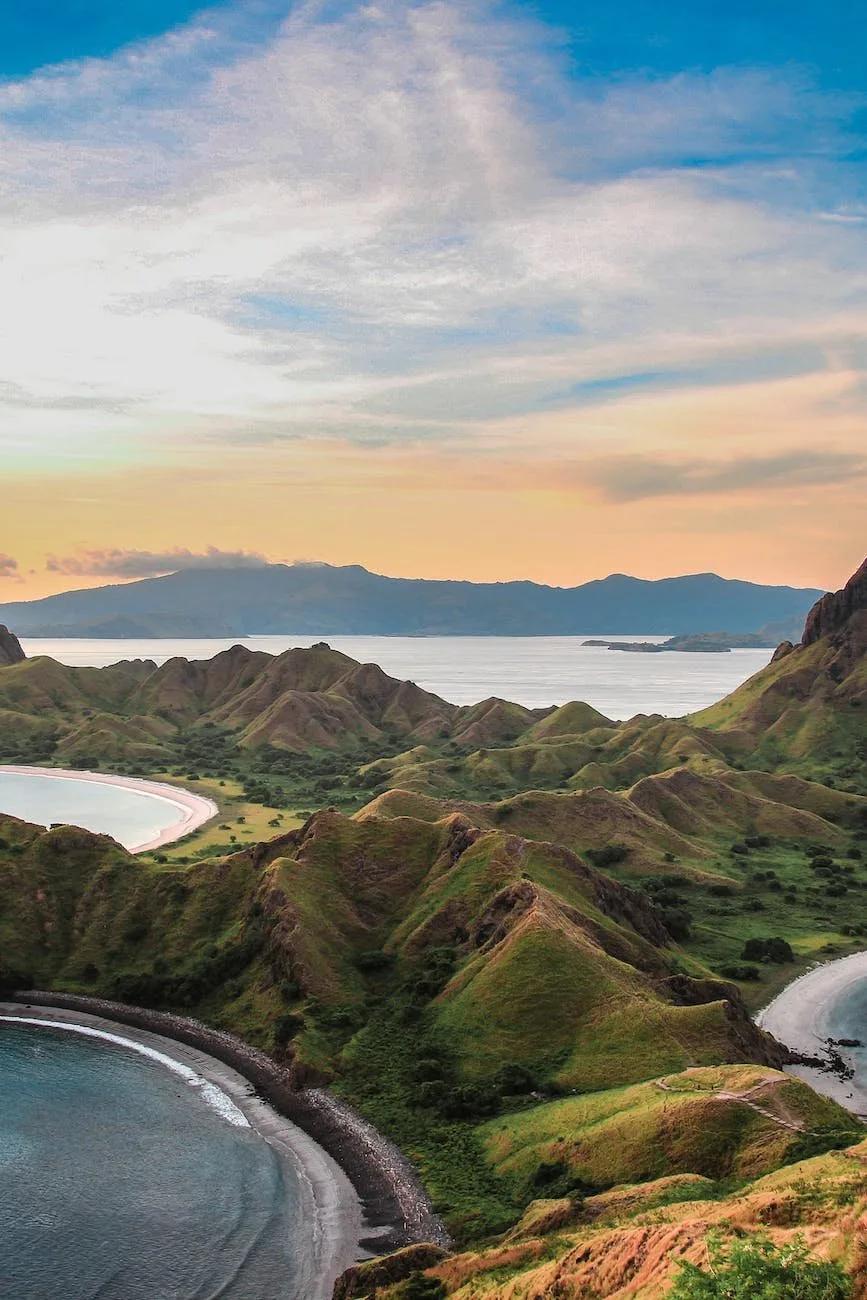
Komodo National Park has mantas in every month. Reef mantas are the main species, and oceanic mantas are rarer and may occur around South Komodo.
Manta Point (Makassar Reef) is the park's primary manta site. It is shallow, sandy habitat in Central Komodo where cleaner fish service mantas and where plankton-rich water draws them to feed. Dives drift over sand and scattered coral heads at 8 to 20m (26 to 66ft), and the incoming tide often brings mantas gliding above divers. Visibility typically runs 10 to 25m (33 to 82ft). Mantas are present all year, and November to February is the prime period.
Mawan, a sheltered bay south of Komodo Island, has a manta cleaning station in shallow water. It is often paired with Manta Point on the same trip, and reef mantas are most active there from roughly October to May.
Manta Alley in South Komodo is the one to chase for numbers. It is a wall with cleaning stations in surge-swept channels, at 10 to 24m (33 to 79ft). December to February is the strongest window, when a dozen mantas on a single dive is possible, and the wider season runs from November to March. Mantas are also seen in other months, including August and September, in smaller numbers. The site is remote, exposed and current-dependent. It suits experienced divers, and the water is cooler than in the north and center of the park, at around 22 to 24°C (72 to 75°F), so a 5mm wetsuit is the sensible default.
The Cauldron (Shotgun) in Central Komodo adds an occasional manta on the exit of its fast channel drift.
Mari sails Komodo from May to September, and our Komodo Full Park itinerary visits both Manta Point and Manta Alley. Expect smaller numbers than in the December to February peak. Mantas are regularly seen at Manta Point in those months and have been seen at Manta Alley in August and September. South Komodo access depends on sea conditions, and sightings are never guaranteed.
Raja Ampat: two species, one region
The whole of Raja Ampat sits inside a shark and manta sanctuary, and it is the one place in Indonesia where you can meet both manta species on the same trip. Cleaning stations are active year-round, but density follows plankton. The Dampier Strait in central Raja Ampat can be dived all year, while Misool in the south is generally out of reach from roughly June to September.
- Manta Sandy: cleaning-station bommies on a sandy bottom at 5 to 20m (16 to 66ft), with moderate current. It is rated beginner-friendly, and mantas regularly rise toward snorkelers at the surface, so divers and non-divers can share the same site.
- Manta Ridge: a shallow reef with a steep drop-off on the southern coast of Waigeo. Divers hold position while reef mantas work the current above and around them, with up to 20 seen on productive days. The current is what makes the site work, so it is rated advanced. No current means no mantas.
- Blue Magic: a small, fish-packed pinnacle in the Dampier Strait where oceanic mantas rise from deeper water to be cleaned at the top, along with wobbegong sharks.
- Magic Mountain (Shadow Reef): an offshore seamount in Misool where both species occur. Current drives numbers here. On a flat day with no flow, a single reef manta may be all you see, so treat it as a very good dive that sometimes becomes a great manta dive.
Our Raja Ampat Central and Dampier Strait itinerary includes Blue Magic, Manta Ridge and Manta Sandy.
Beyond our routes: Nusa Penida and Sangalaki
Two more famous manta destinations sit outside Mari's cruising areas, and they are worth knowing about.
- Nusa Penida, Bali: Manta Point has two cleaning stations on the southwest coast of the island, with reef mantas year-round, including black morphs. April to October brings calmer seas and better visibility, while large swell can stop boats from reaching the site. It pairs well with time in Bali before or after a cruise.
- Sangalaki, Derawan Archipelago: a remote island off East Kalimantan with reef mantas at sites such as Manta Avenue and Manta Parade. Mantas are thought to live here year-round, and March to October is the best window.
When to go: manta seasons by region
- Komodo: year-round at Manta Point, with November to February as the prime period and Manta Alley at its best from December to February.
- Raja Ampat: October to April is the main season, with numbers often highest from December. The Dampier Strait works year-round.
- Nusa Penida: year-round, with calmer seas from April to October.
- Sangalaki: year-round, best from March to October.
Plankton is the trade-off to know about. Plankton-rich water draws mantas and also lowers visibility. Toward September in Raja Ampat, plankton drops, visibility improves and manta density falls. Divers who prioritize clear water and empty sites will love that window. Divers who prioritize mantas should aim earlier in the season.
Within any month, moon phase and tides change the picture as much as the calendar does. A good operator reads the tide and chooses the site on the day.
How to dive with manta rays responsibly
Mantas are curious, but they are wild animals using cleaning stations to stay healthy. A few habits protect them and improve your encounter.
- Do not touch, chase or block a manta. Touching strips the protective mucus layer from its skin.
- Stay clear of the approach paths to cleaning stations, and let the mantas come to you.
- Keep neutral buoyancy, and keep your fins away from the reef.
- Follow your guide's positioning during the briefing and the dive.
- Stay low and still. A calm diver is the one a manta lingers over.
Frequently asked questions about manta ray diving in Indonesia
Where is the best place to dive with manta rays in Indonesia?
Komodo and Raja Ampat are the strongest all-round choices. Komodo offers mantas in every month and large gatherings at Manta Alley in December to February. Raja Ampat offers both manta species, from the beginner-friendly Manta Sandy to the current-swept Manta Ridge.
When is the best time to see manta rays in Indonesia?
It depends on the region. November to February is prime in Komodo, October to April is the main season in Raja Ampat, and Nusa Penida and Sangalaki produce mantas year-round.
Are manta ray sightings guaranteed?
No. Mantas are wild animals, and plankton, current and tide decide where they gather on any given day. The sites and months in this guide improve your odds but never remove the uncertainty.
Can you snorkel with manta rays in Indonesia?
Yes. Manta Sandy in Raja Ampat and Manta Point in Komodo both work from the surface, because mantas rise toward the top of the water column while being cleaned. Follow the site briefing, since currents vary.
Do you need to be an advanced diver to see mantas?
Not for every site. Manta Sandy suits all experience levels. Manta Alley, Manta Ridge and the offshore pinnacles depend on current, so Advanced Open Water is recommended, mainly because it gives you access to the sites that make the trip worthwhile. Your operator decides each day which sites are suitable.
What is the difference between reef mantas and oceanic mantas?
Oceanic mantas are larger and roam widely, while reef mantas are smaller and return to the same cleaning stations again and again. Reef mantas are the species you will meet most often in Indonesia.
Does Mari visit manta sites?
Yes. Our Komodo and Raja Ampat itineraries include manta cleaning stations. Check the schedule and rates page for departures, and note that sailing months differ by destination.
Dive with manta rays aboard Mari
Mari is a traditional phinisi liveaboard built for serious divers, with routes through Komodo and Raja Ampat. Choose your destination, pick the months that suit the mantas you want to meet and join us for the dive. See departures and prices on the schedule and rates page.